
In today’s fast-paced world, the success of any meeting, seminar, or corporate event heavily depends on attendance. One of the most overlooked factors that significantly influence attendance is meeting transport.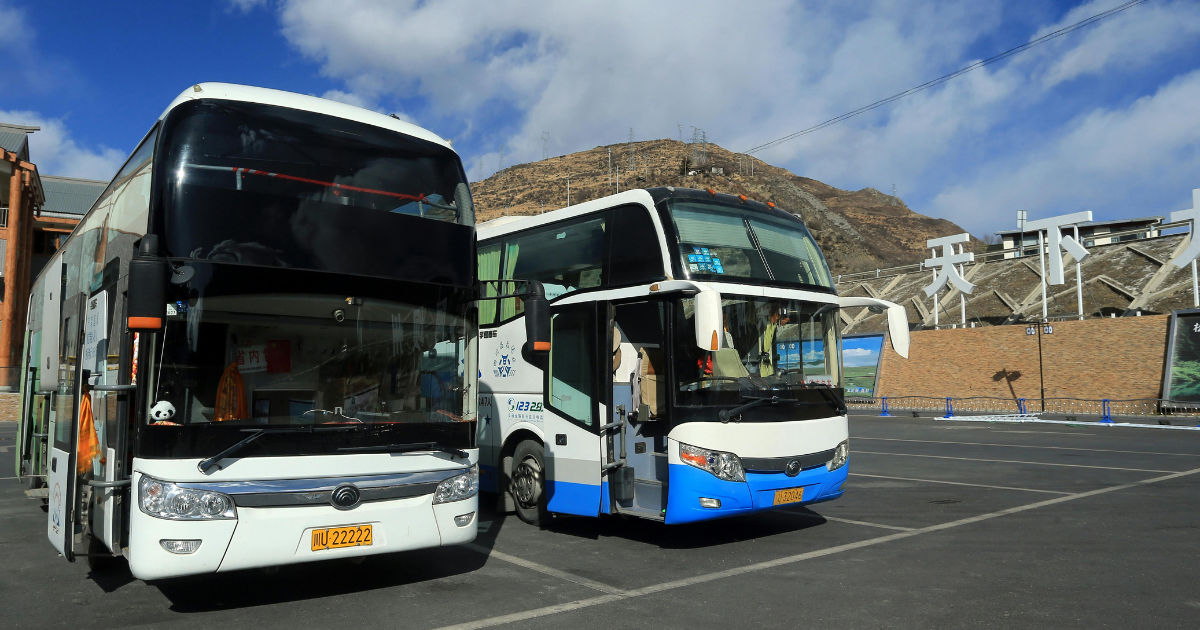
Providing reliable, convenient, and organized transport for participants is not just a logistical detail—it can be a game-changer for engagement, productivity, and overall event success.
In this comprehensive guide, we will explore why meeting transport improves attendance, the benefits it brings to organizations and participants, and practical ways to implement effective transport solutions.
The Importance of Attendance in Meetings
Attendance is more than just showing up. When participants are present, they actively contribute ideas, collaborate with peers, and help achieve the meeting’s objectives. Poor attendance can lead to miscommunication, delays, and reduced effectiveness.
While many factors affect attendance—such as meeting timing, relevance of topics, and personal schedules—transport remains a crucial, yet often underestimated, element. People are more likely to skip events if reaching the venue is difficult, time-consuming, or expensive.
By offering organized meeting transport, companies can remove these barriers and encourage higher participation rates.
How Transport Affects Participant Decisions
Participants often weigh the effort and cost required to attend a meeting. This decision can be influenced by:
-
Distance to the Venue: If the location is far or inconvenient, people may decide not to attend.
-
Availability of Public Transport: Limited options or complex routes can discourage participation.
-
Parking and Traffic Issues: Difficulty in finding parking or facing heavy traffic can create frustration.
Providing meeting transport directly addresses these concerns. Shuttle services, carpool arrangements, or dedicated buses simplify the journey and reduce stress, making attendance a more attractive option.
Benefits of Providing Meeting Transport
Implementing meeting transport offers multiple advantages for both organizations and attendees.
1. Increased Attendance Rates
The most obvious benefit of offering transport is higher attendance. When people know they have a hassle-free way to reach the meeting, they are more likely to participate. This is especially important for large corporate events, conferences, or off-site meetings where attendance is critical for decision-making and collaboration.
2. Enhanced Punctuality
Late arrivals can disrupt the flow of meetings, reduce productivity, and waste time. Meeting transport solutions like scheduled buses or car services ensure participants arrive on time. This contributes to smoother event execution and helps maintain schedules without constant interruptions.
3. Stress Reduction for Participants
Traveling to an unfamiliar location or navigating traffic can cause stress. Providing transport allows attendees to relax, network, or prepare mentally for the meeting while commuting. Reduced stress can also lead to improved focus and engagement during the session.
4. Cost-Effectiveness for Attendees
Organized transport can be more economical than individual travel. Participants may save money on fuel, parking, or public transportation fees. By offering meeting transport, organizations can make attending the event more affordable, especially for employees or clients traveling from distant areas.
5. Environmental Benefits
Group transport reduces the number of individual vehicles on the road, contributing to lower carbon emissions. Companies adopting eco-friendly transport solutions demonstrate corporate responsibility, aligning with sustainability goals.
6. Strengthened Team Bonding
Traveling together in company-provided transport provides opportunities for networking and informal discussions. Participants can interact before the meeting begins, fostering stronger relationships and collaboration during the session.
Types of Meeting Transport Solutions
Organizations can choose from several meeting transport options depending on budget, location, and participant needs.
Shuttle Services
Shuttles are perfect for large groups, especially when multiple participants travel from the same area. Scheduled shuttles running from key locations to the meeting venue ensure convenience and punctuality.
Carpool Programs
Encouraging carpooling among employees or attendees reduces the number of vehicles, lowers costs, and promotes teamwork. Many companies now implement online platforms to coordinate carpool arrangements efficiently.
Rental Vehicles or Vans
For smaller groups or high-profile meetings, rental vans or executive vehicles provide a more personalized and comfortable experience. This option works well for corporate clients, VIPs, or participants requiring a premium experience.
Public Transport Subsidies
If private transport is not feasible, companies can subsidize public transport costs. Providing passes or reimbursements reduces financial barriers while still promoting attendance.
How to Implement Effective Meeting Transport
Proper planning is key to maximizing the benefits of meeting transport. Here’s how organizations can implement a successful transport strategy.
1. Understand Participant Needs
Survey participants to identify where they are traveling from, preferred modes of transport, and any special requirements. Understanding these needs helps design a transport plan that accommodates everyone.
2. Schedule and Communicate Clearly
Provide detailed schedules, pick-up points, and estimated travel times well in advance. Clear communication prevents confusion, ensures participants plan accordingly, and boosts confidence in attending the event.
3. Optimize Routes
Efficient route planning minimizes travel time and reduces fuel costs. Consider traffic patterns, distance, and multiple pick-up points to design a practical and convenient transport system.
4. Offer Flexibility
Not all participants may require the same transport solution. Providing multiple options—like shuttles, carpooling, or rental vehicles—ensures flexibility and caters to different preferences.
5. Ensure Safety and Comfort
Safety is a top priority. Ensure vehicles are well-maintained, drivers are trained, and protocols are in place for emergencies. Comfort also matters—adequate seating, climate control, and amenities make the journey pleasant, encouraging attendance.
6. Use Technology to Coordinate
Apps, GPS tracking, and online booking systems can streamline meeting transport management. Participants can track vehicle locations, confirm attendance, and receive real-time updates, improving the overall experience.
Case Studies: Companies That Saw Attendance Improvements
Several organizations have successfully implemented meeting transport solutions, leading to noticeable improvements in attendance.
Case Study 1: Corporate Conference
A multinational company organized an off-site conference in a suburban location. Attendance was initially a concern due to the distance. By providing shuttle services from major city hubs, the company achieved 95% attendance, compared to only 70% in the previous year without transport support.
Case Study 2: University Workshops
A university hosting workshops for students and faculty faced low attendance due to transportation issues. Implementing a fleet of vans for student pick-ups increased participation by 40%, highlighting the importance of accessible transport.
Case Study 3: Client Meetings
A consulting firm often held client meetings at remote locations. Introducing executive cars and shared transport for clients not only improved attendance but also enhanced professionalism and client satisfaction, leading to stronger business relationships.
Overcoming Challenges in Meeting Transport
While meeting transport offers significant benefits, organizations may face challenges.
Budget Constraints
Transport can be expensive, especially for large groups or premium services. Solutions include carpooling, negotiating with transport providers, or sharing costs with participants.
Logistical Complexity
Coordinating pick-up points, schedules, and routes can be complex. Technology tools, dedicated transport coordinators, and pre-event planning mitigate these issues.
Participant Preferences
Some attendees may prefer independent travel. Offering flexible options, subsidies, or partial transport services ensures inclusivity without forcing a single solution.
Additional Tips for Maximizing Attendance
Along with transport, several strategies complement its impact on attendance:
-
Early Invitations: Give participants ample time to plan their schedules.
-
Incentives: Offer perks for attending, such as refreshments, networking opportunities, or exclusive sessions.
-
Engaging Agendas: Make sure the meeting’s content is relevant and valuable.
-
Reminders and Notifications: Regular reminders, including transport details, reduce last-minute cancellations.
By combining these tactics with meeting transport, organizations can significantly boost participation and engagement.
Conclusion
The link between meeting transport and improved attendance is clear. Organized, convenient, and reliable transport eliminates logistical barriers, reduces stress, ensures punctuality, and creates a positive experience for participants.
Whether through shuttles, carpooling, rental vehicles, or public transport subsidies, providing thoughtful transport solutions is an investment in the success of meetings, workshops, and corporate events. Beyond attendance, transport fosters collaboration, strengthens relationships, and even demonstrates corporate responsibility through eco-friendly practices.
Organizations that recognize the value of meeting transport not only see higher attendance rates but also enjoy more productive, engaging, and effective events. In today’s competitive and time-sensitive world, ensuring participants can easily reach the venue is not just convenient—it is essential.
By integrating meeting transport into planning processes, companies, universities, and event organizers can remove one of the biggest barriers to participation and create an environment where everyone arrives on time, prepared, and ready to contribute.