
In today’s globalized world, reading has taken a digital turn. Parents and educators are increasingly looking for resources that allow children to learn multiple languages simultaneously. One of the most effective ways to foster language development is through literature.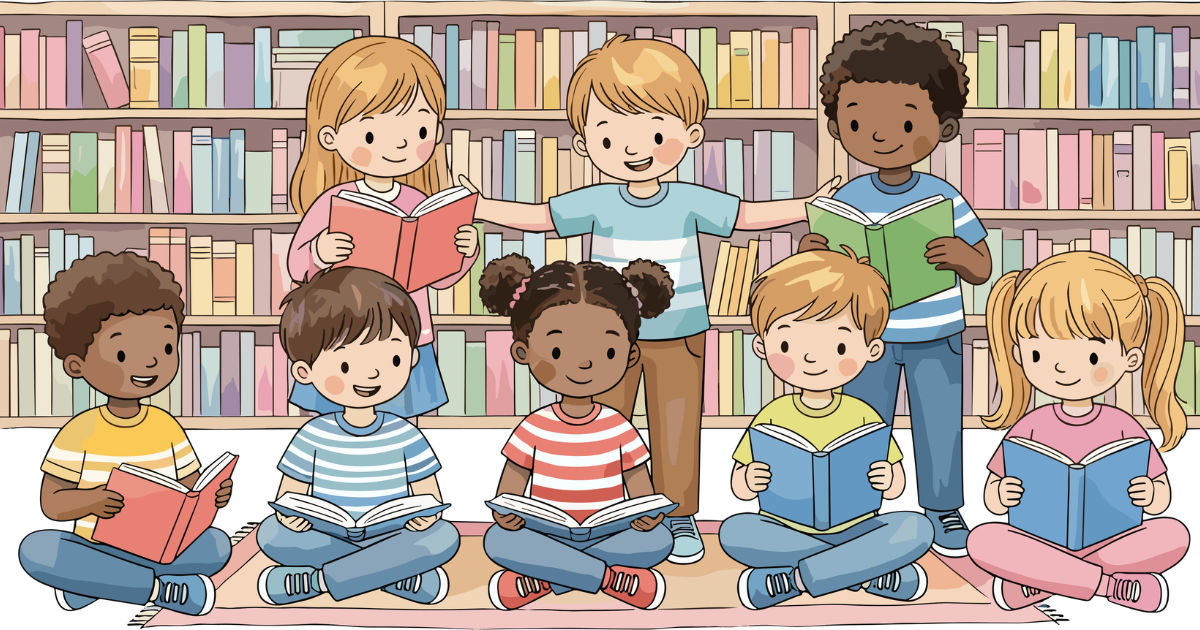
Multilingual Children's Books Online provide a unique opportunity to immerse kids in diverse languages, helping them develop fluency, comprehension, and cultural awareness from an early age.
This guide will compare online bilingual and multilingual kids books, exploring their benefits, challenges, and practical use in education and at home.
Understanding Bilingual and Multilingual Kids Books
Bilingual kids books are written in two languages, usually pairing the child’s native language with a target second language. They allow children to see direct translations, helping them understand the meaning of words and phrases in context. For example, a storybook may show English on one page and Spanish on the facing page, providing a simple and effective way to introduce a second language.
On the other hand, multilingual kids books include three or more languages. These books are more complex and often cater to children in multilingual households or classrooms. They provide exposure to multiple languages simultaneously, which can enhance cognitive flexibility, improve memory, and build early language skills.
Both formats are now widely available as Multilingual Children's Books Online, offering accessibility, interactive features, and engaging content for young readers.
Benefits of Bilingual Kids Books Online
Language Acquisition
Bilingual kids books support second-language acquisition by providing repeated exposure to vocabulary, sentence structures, and cultural contexts. Online versions often include audio narration, which helps with pronunciation and listening skills.
Cultural Awareness
Books in two languages often reflect the culture associated with the target language. For instance, a bilingual English-French book might introduce French holidays, traditions, and cuisine, giving children a more immersive learning experience.
Engagement Through Technology
Online platforms offer interactive features like clickable words, animations, and read-aloud options. These features increase engagement and can hold a child’s attention longer than traditional print books.
Accessibility and Convenience
Parents can access bilingual kids books from anywhere, at any time. Multilingual Children's Books Online remove geographical barriers, allowing children to explore languages from around the world without leaving home.
Advantages of Multilingual Kids Books Online
Exposure to Multiple Languages
Unlike bilingual books, multilingual books provide exposure to three or more languages at once. This can be particularly useful in multicultural families or for children learning in an international school environment.
Cognitive Benefits
Research shows that multilingual children develop stronger problem-solving skills, better multitasking ability, and enhanced memory. Reading books in multiple languages strengthens these cognitive advantages by requiring children to switch between language systems.
Inclusive Learning
Multilingual books can create a more inclusive reading environment. Children from diverse backgrounds can see their language represented, promoting a sense of belonging and cultural pride.
Flexibility in Learning
Many online multilingual books allow users to toggle between languages or choose a preferred reading mode. This flexibility makes it easier for parents and educators to tailor learning to the child’s level and interests.
Comparing Formats: E-Books vs Apps vs Websites
E-Books
E-books are downloadable files, often in PDF or ePub format, that can be read on tablets, e-readers, or computers. They are portable, require no internet once downloaded, and may include embedded audio. However, interactivity is often limited compared to apps.
Educational Apps
Apps designed for language learning usually combine storytelling with gamification. Children can tap words to hear pronunciation, complete quizzes, and engage in interactive storytelling. Apps provide a richer experience than e-books but may require a subscription or internet access.
Websites
Web-based platforms often host large libraries of multilingual and bilingual books online. They can offer both free and premium options, with features like text highlighting, audio narration, and translation tools. Websites are convenient but may not function offline.
Choosing the Right Online Bilingual or Multilingual Kids Book
Age Appropriateness
Books should match the child’s age, reading level, and attention span. Younger children benefit from picture-heavy books with simple sentences, while older children may enjoy chapter books with more complex narratives.
Language Pairings
When selecting bilingual books, parents should consider the child’s native language and target language. For multilingual books, it’s essential to ensure that the included languages are relevant to the child’s learning goals.
Interactive Features
Online books with interactive elements, like clickable words, quizzes, and audio narration, can enhance learning. These features are especially beneficial for children who are visual or auditory learners.
Cultural Content
Books should reflect authentic cultural experiences. Children not only learn words but also the customs, traditions, and social norms associated with a language. Multilingual Children's Books Online often include diverse cultural content to enrich the reading experience.
Challenges of Online Bilingual and Multilingual Kids Books
Overload of Information
Multilingual books can sometimes overwhelm younger children due to multiple languages appearing on the same page. Parents may need to guide the child initially to ensure comprehension.
Screen Time Concerns
While online books are convenient, excessive screen time can be a concern. It’s essential to balance digital reading with physical books, outdoor activities, and face-to-face interactions.
Quality and Accuracy
Not all online resources are created equal. Some books may contain errors in translation or cultural representation. Choosing reputable platforms that specialize in language learning is crucial.
Subscription Costs
Many high-quality platforms charge subscription fees. Families should consider the cost relative to the educational value and the child’s interest in learning multiple languages.
Top Features to Look for in Multilingual Children's Books Online
-
Audio Narration: Helps children with pronunciation and listening skills.
-
Text Highlighting: Allows children to follow along as words are read aloud.
-
Interactive Vocabulary Games: Reinforces language learning in a fun way.
-
Toggle Languages: Lets users switch between languages to suit learning needs.
-
Cultural Notes: Offers explanations of traditions, festivals, or customs related to the story.
-
Offline Access: Allows reading without internet connection, useful for travel or school use.
Practical Tips for Parents and Educators
Set Goals
Determine whether the focus is language exposure, fluency, or cultural learning. This helps in choosing between bilingual or multilingual options.
Establish a Routine
Consistent reading schedules, even 10-15 minutes a day, can significantly improve language skills.
Engage With the Child
Ask questions, repeat new words, and encourage the child to retell the story in their own words. Interaction reinforces comprehension and vocabulary retention.
Mix Formats
Combine online books with physical books, songs, and videos to create a rich, immersive language environment.
Monitor Progress
Track new words learned, reading comprehension, and interest levels to adapt resources as the child grows.
Comparing Costs: Bilingual vs Multilingual Platforms
Bilingual kids books online often come at a lower cost due to simpler production and fewer languages. Multilingual platforms may require more investment because of the additional content, interactive features, and translation work. However, the long-term educational benefits often outweigh the initial expense.
Free resources exist, but they may lack audio features, interactive elements, or accurate translations. Paid subscriptions, although more expensive, offer structured programs, curated content, and high-quality illustrations that enhance learning.
Examples of Popular Multilingual Children's Books Online
-
Lingokids: Offers interactive multilingual books and games for young learners.
-
StoryWeaver: Provides free multilingual stories with options to translate into various languages.
-
MeeGenius: Features read-aloud bilingual and multilingual books with audio narration.
These platforms exemplify how technology can support language learning while keeping children engaged and entertained.
Bilingual vs Multilingual: Which Is Right for Your Child?
Choosing between bilingual and multilingual books depends on the child’s environment, goals, and learning style.
-
Bilingual Books: Ideal for children just starting a second language or those with limited exposure. They provide focused learning and clear translations.
-
Multilingual Books: Best for children in multilingual households, international schools, or those seeking advanced cognitive benefits. They expose children to multiple languages, improving flexibility and memory skills.
Both formats are effective when used consistently, and many parents choose a combination over time—starting with bilingual books and gradually introducing multilingual options.
Integrating Online Books into Daily Life
To maximize the benefits of online bilingual or multilingual kids books:
-
Include reading in morning or bedtime routines.
-
Pair stories with songs, games, or crafts related to the languages.
-
Encourage discussion about cultural aspects highlighted in the stories.
-
Use progress tracking tools provided by platforms to monitor growth.
These practices help children develop a holistic understanding of languages and cultures while fostering a love for reading.
The Future of Multilingual Children's Books Online
The digital landscape continues to evolve, offering new possibilities for language learning. AI-powered narration, adaptive learning platforms, and personalized story recommendations are making online books more interactive and effective.
Virtual reality (VR) and augmented reality (AR) could soon allow children to experience stories in fully immersive environments, making language learning even more engaging.
As technology advances, the accessibility and quality of Multilingual Children's Books Online will continue to improve, providing children with unprecedented opportunities to learn languages naturally and joyfully.
Conclusion
Bilingual and multilingual kids books online offer unique advantages for language learning, cultural understanding, and cognitive development. Bilingual books provide focused exposure to a second language, making them ideal for beginners. Multilingual books expand horizons, introducing children to several languages while strengthening mental flexibility.
Parents and educators should consider age, language pairings, interactive features, and cultural content when selecting online resources. By integrating these books into daily routines and leveraging technology thoughtfully, children can enjoy engaging, educational experiences that promote multilingual literacy.
The future of digital reading promises even more interactive and personalized options, making it easier than ever for children to grow up as confident, culturally aware, and multilingual individuals. Multilingual Children's Books Online are not just tools for reading—they are gateways to global understanding and lifelong learning.