
Akbari Engineering emphasizes that proper maintenance of ACP panels is essential for preserving the durability, aesthetics, and performance of these versatile building materials.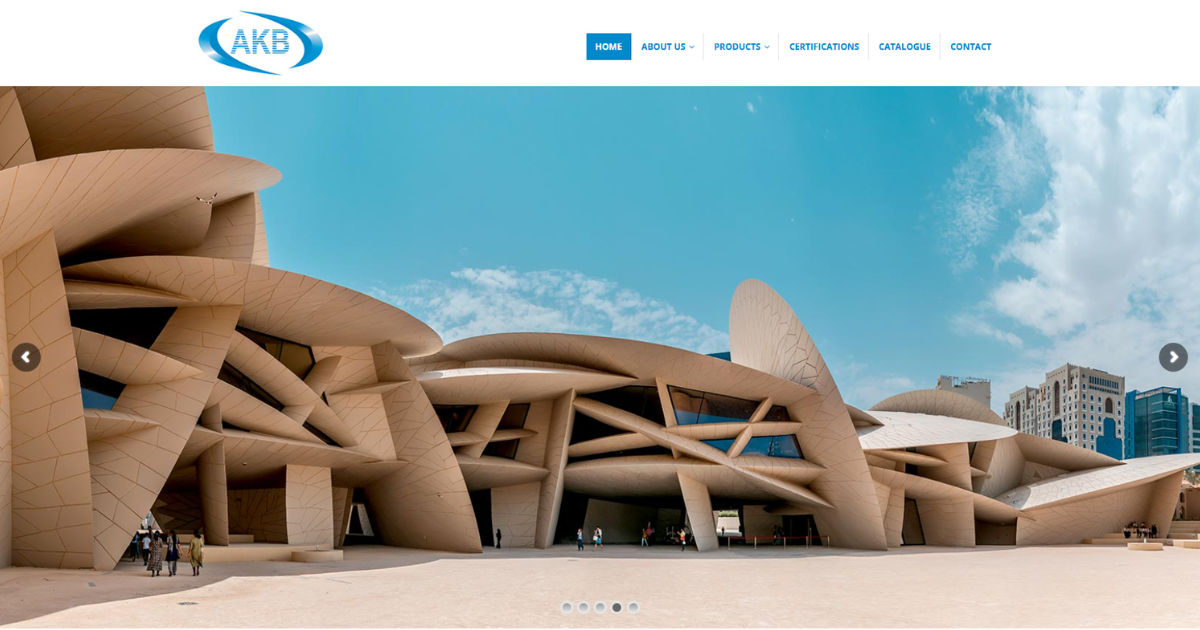
Aluminum Composite Panels (ACP) have become a popular choice for modern architecture due to their sleek design, lightweight structure, and resistance to weather conditions. However, according to Akbari Engineering, like any exterior material, ACP panels require regular care to ensure they continue to perform well and look their best over time.
In this guide, we will explore every aspect of ACP panel maintenance, including cleaning methods, preventive care, and tips for extending their lifespan.
Understanding ACP Panels
Before diving into maintenance tips, it’s important to understand what ACP panels are and why they need proper care. ACP panels are composed of two thin layers of aluminum bonded to a non-aluminum core, usually made of polyethylene or a fire-resistant material. This composite structure gives ACP panels their signature flexibility, durability, and resistance to corrosion.
Despite their robustness, ACP panels can be affected by environmental factors like pollution, UV rays, humidity, and physical impact. Proper maintenance ensures that these panels retain their structural integrity, color, and shine for many years.
Why Proper Maintenance Matters
Proper maintenance of ACP panels offers several key benefits:
-
Extended Lifespan: Regular care prevents deterioration and prolongs the life of the panels.
-
Enhanced Appearance: Well-maintained panels retain their vibrant colors and sleek surface finish.
-
Cost Efficiency: Preventing damage through maintenance reduces repair and replacement costs.
-
Safety Assurance: Damaged or weakened panels can pose risks, especially in high-rise buildings.
Akbari Engineering recommends a structured maintenance plan to ensure ACP panels remain functional, safe, and visually appealing.
Routine Cleaning of ACP Panels
Cleaning is the most fundamental part of maintaining ACP panels. Over time, dirt, dust, bird droppings, and pollution can accumulate on the surface, affecting both appearance and performance.
Cleaning Materials
For routine cleaning, you will need:
-
Soft cloths or microfiber towels
-
Mild soap or detergent
-
Water (preferably lukewarm)
-
Non-abrasive sponges
Avoid using harsh chemicals, solvents, or abrasive cleaning tools, as these can scratch or damage the panel’s surface coating.
Step-by-Step Cleaning Process
-
Initial Rinse: Use water to rinse off loose dust and dirt. This prevents scratching during scrubbing.
-
Prepare Cleaning Solution: Mix a mild detergent or soap with water. Avoid strong acids or alkaline cleaners.
-
Gentle Wiping: Dip a soft cloth or sponge into the solution and gently wipe the panel surface in circular motions.
-
Rinse Thoroughly: Remove all soap residues using clean water. Residues can cause streaking or discoloration.
-
Drying: Wipe panels dry with a clean microfiber cloth to prevent water spots.
Cleaning frequency depends on environmental conditions. For areas with heavy pollution or coastal environments, panels should be cleaned every three months, while panels in cleaner areas may be cleaned every six months.
Dealing with Stubborn Stains
Some stains, like bird droppings, paint splashes, or grease, require extra attention. Akbari Engineering suggests the following methods:
-
Bird Droppings: Remove as soon as possible using a soft cloth soaked in mild soapy water.
-
Grease or Oil: Apply a solution of mild soap and water. Avoid harsh degreasers that can damage the panel’s coating.
-
Paint or Permanent Stains: Use specialized ACP cleaners or consult professionals for safe chemical removal.
Always test any cleaning solution on a small, hidden section of the panel before applying it widely.
Preventive Maintenance Strategies
In addition to regular cleaning, preventive care is essential to maintain ACP panels.
Inspect for Damage
Regular inspections help identify potential issues early:
-
Look for scratches, dents, or paint peeling.
-
Check for loose screws or fixings.
-
Inspect joint sealants and edges for signs of wear or water infiltration.
Early detection can prevent small problems from turning into costly repairs.
Protective Coatings
Applying protective coatings can enhance durability and maintain the panel’s shine. Some ACP panels come with factory-applied coatings, but additional layers of UV-resistant or anti-pollution coating can provide extra protection.
Avoid Physical Impact
ACP panels are sturdy but not immune to impact damage. Avoid hitting the surface with tools or heavy objects. For construction sites, ensure protective covers are used during ongoing work.
Handling Environmental Challenges
ACP panels face environmental stressors that can affect their longevity. Knowing how to handle these challenges is crucial.
Sun and UV Exposure
Prolonged exposure to sunlight can cause color fading and surface degradation. Panels with UV-resistant coatings are ideal, and routine inspection helps detect early signs of fading.
Moisture and Rain
Water accumulation can affect joints and edges. Proper drainage systems and water-resistant sealants are essential to prevent moisture penetration.
Pollution and Dust
In urban areas, air pollutants can accumulate and create staining or corrosion. Regular washing and application of protective coatings mitigate these effects.
Maintaining ACP Panel Joints and Frames
The integrity of joints and frames is as important as the panel itself. Poorly maintained joints can lead to water leakage and panel displacement.
-
Sealant Inspection: Check sealants regularly for cracks or drying. Replace them when necessary.
-
Frame Cleaning: Aluminum frames can accumulate dust and dirt; clean them alongside panels.
-
Screw Tightening: Ensure screws or fasteners remain secure. Loose fittings can compromise structural safety.
Seasonal Maintenance Tips
Different seasons require specific care approaches:
-
Winter: Ensure that snow or ice does not accumulate excessively on panel surfaces. Remove ice gently to avoid scratches.
-
Summer: Inspect for UV damage and consider applying protective coatings.
-
Monsoon: Check for water leakage, especially at panel joints and edges. Use water-resistant sealants where needed.
-
Spring/Autumn: Clean panels thoroughly to remove pollen, dust, and debris from the changing seasons.
Professional Maintenance Services
While routine maintenance can be handled in-house, periodic professional inspection and maintenance are recommended. Experts from Akbari Engineering can provide:
-
Deep cleaning services using specialized equipment
-
Repair or replacement of damaged panels
-
Application of advanced protective coatings
-
Inspection of structural integrity and safety compliance
Professional services ensure that ACP panels maintain their optimal performance and aesthetic appeal.
Common Mistakes to Avoid
To maintain ACP panels effectively, avoid these common mistakes:
-
Using abrasive cleaning tools or harsh chemicals
-
Ignoring minor scratches or dents
-
Delaying inspection and maintenance
-
Applying unauthorized coatings or paints
-
Overlooking the maintenance of panel joints and frames
Avoiding these mistakes helps prevent unnecessary damage and reduces long-term costs.
Eco-Friendly Maintenance Practices
Sustainable maintenance practices are gaining popularity. Some tips include:
-
Using biodegradable soaps for cleaning
-
Collecting and reusing rinse water for irrigation
-
Reducing the use of chemical cleaners
-
Recycling damaged panels responsibly
These practices not only preserve the environment but also protect the integrity of the ACP panels.
Benefits of Maintaining ACP Panels
Proper maintenance offers multiple benefits:
-
Cost Savings: Reduces the need for replacement or repair.
-
Visual Appeal: Keeps panels looking new and attractive.
-
Durability: Enhances resistance to environmental stress.
-
Safety: Ensures structural integrity and reduces hazards.
-
Sustainability: Extends the life of materials and reduces waste.
Akbari Engineering emphasizes that a well-maintained ACP facade contributes significantly to the overall value and longevity of a building.
Conclusion
Maintaining ACP panels properly is not just about keeping them clean; it’s about preserving their structural integrity, appearance, and long-term value. Regular cleaning, preventive care, environmental management, and professional inspections are all critical components of an effective maintenance strategy. By following the guidelines provided by Akbari Engineering, building owners and facility managers can ensure that their ACP panels remain durable, attractive, and safe for many years.
Investing time and effort into ACP panel maintenance pays off in the long run. A well-maintained facade not only enhances the aesthetic appeal of a building but also reduces repair costs and ensures safety. Remember, the key to long-lasting ACP panels lies in routine attention, timely inspections, and professional support when needed.
Properly maintained ACP panels reflect the quality and care put into a building. With consistent effort and adherence to the best practices outlined above, these panels can continue to offer beauty, durability, and functionality for decades.