
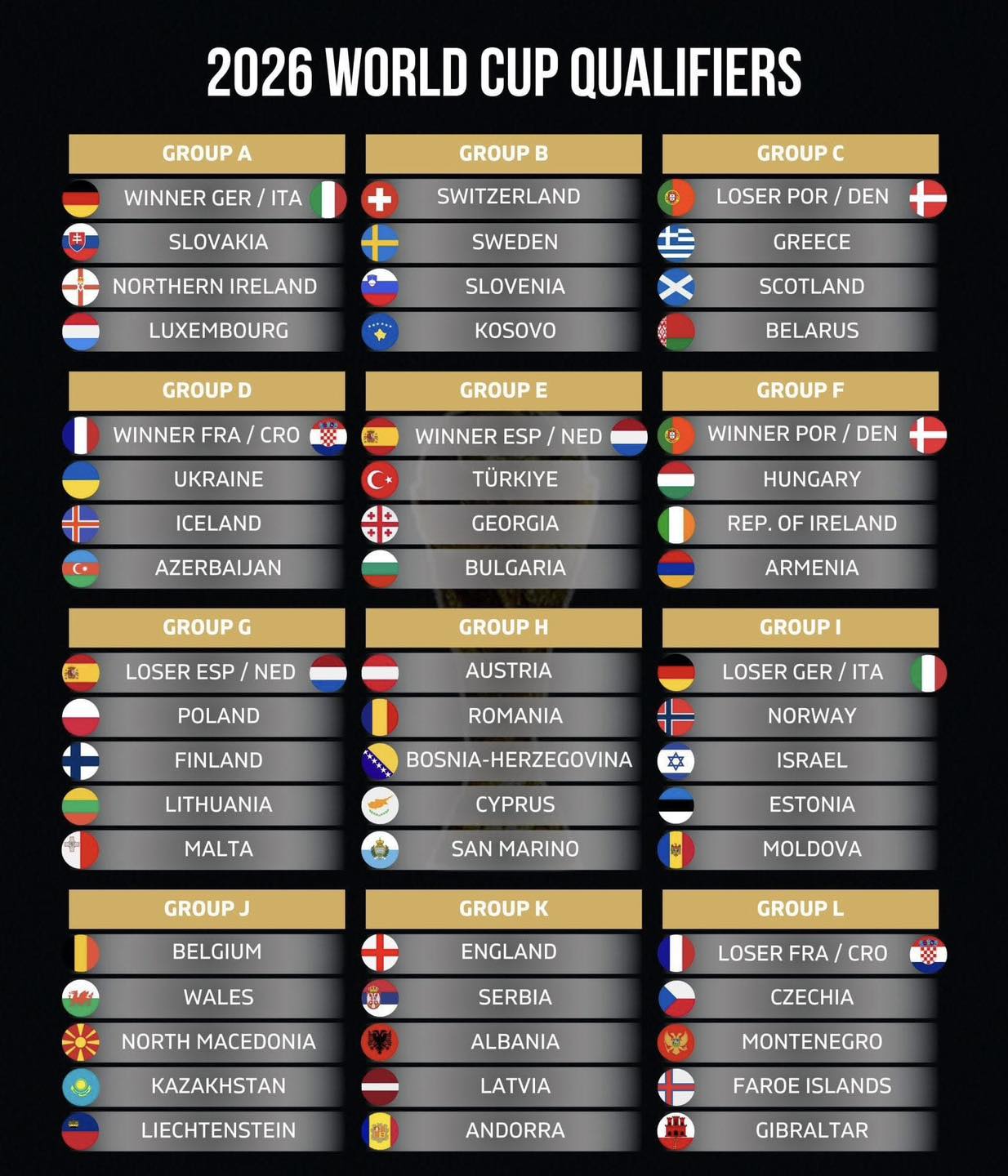
Penalties in the World Cup serve two completely different purposes depending on the phase of the tournament. In the group stage, there are no penalties — group matches end at 90 minutes. In the knockout stage, penalties decide tied matches after extra time. The all 12 groups covered here page covers only group-stage data where the no-penalty rule applies throughout.
This distinction matters because fans familiar with domestic cup competitions — where group-stage matches can also go to penalties in some formats — sometimes expect the World Cup group stage to use the same rules. The World Cup group stage specifically excludes extra time and penalties to maintain the integrity of the points system.
Why Penalties Would Distort Group Standings
If group-stage draws led to penalty shootouts with three points for the winner and zero for the loser, teams would strategically change their behavior in drawn matches. Some teams might deliberately let a draw go to penalties rather than risk chasing a winning goal and conceding a goal on the counter-attack.
The current system — one point each for every draw, no penalties — rewards teams that take risks to win matches with three points while penalizing teams that settle for draws with only one point. This incentive structure produces more attacking football than a penalty-resolution system would.
The Penalty Shootout as a Separate Tournament Element
Penalty shootouts appear from the Round of 32 onward in 2026. At that stage, the standings table no longer applies — the knockout bracket shows only win or loss for each team. Penalty shootout results appear in the bracket as wins but are treated identically to wins in extra time or regular time for advancement purposes.
How to Use the Standings Page Throughout the Tournament
The standings page at WorldCupPass updates in real time during and after matches. Check it after every group-stage result to see how each group’s table has shifted. The page displays all 12 groups on one screen so you can compare advancement races across the tournament simultaneously. Color coding shows which positions are currently safe for advancement and which are in the qualification zone.
Following the standings page daily through the group stage builds a thorough picture of tournament momentum. Teams that are accumulating points efficiently and building positive goal difference are in the strongest position for the Round of 32. Teams that are scraping through on draws and narrow margins are potentially vulnerable to tiebreaker outcomes on the final matchday. The standings page gives you the data to make those assessments in real time.
Understanding the separation between group-stage standings rules and knockout-round penalty rules helps fans follow the tournament correctly regardless of which phase they are watching.