
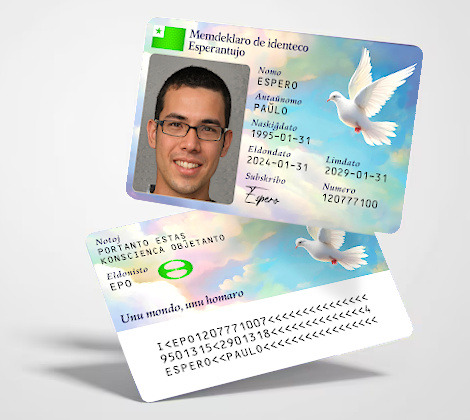
Digital identity is becoming increasingly important as people rely on online services for communication, education, business, and everyday activities. Traditional identity systems often place significant responsibility for personal information with centralized organizations. Self-sovereign identity offers a different approach by emphasizing individual control, privacy, and flexible management of digital credentials. Memdeklaro can be explored within this broader development of user-centered digital identity.
Understanding Self-Sovereign Identity
Self-sovereign identity, commonly known as SSI, is a digital identity model that places individuals at the center of identity management. Rather than depending entirely on one organization to create and maintain an identity profile, users can have greater control over their identifiers and credentials.
The concept focuses on allowing people to decide how relevant identity information is presented and shared. This can provide a more flexible alternative to traditional account-based identity systems.
Greater User Control
One of the most significant ways SSI may influence the future of digital identity is by increasing user control. Individuals can potentially hold their own digital credentials and decide when they should be presented.
For example, a person may receive a digital credential from an educational institution and later use it to demonstrate a qualification. Instead of repeatedly requesting confirmation from the institution, the user may be able to present the credential directly to a compatible service.
Privacy-Conscious Identity Management
Privacy is another important part of self-sovereign identity. Modern users often interact with many platforms, creating concerns about unnecessary collection and sharing of personal information.
SSI can support approaches such as selective disclosure, where users provide only the information required for a particular interaction when the underlying technology supports it. This can reduce unnecessary exposure of personal details.
However, privacy still depends on implementation. Users and organizations must follow responsible security and data-management practices.
The Role of Memdeklaro
Memdeklaro can be considered in the context of self-declared identity and personal digital representation. Its relevance to this discussion comes from the broader idea that individuals should have a meaningful role in describing and managing their digital identity.
As identity technologies develop, concepts centered around user participation may help shift digital identity away from systems that depend entirely on centralized control.
Interoperability and Portability
The future of digital identity will also depend on interoperability. People use many different online services, so identity technologies need to work across compatible platforms.
Portability can make digital credentials more useful because users may be able to present relevant information in multiple environments. Open standards and collaboration between technology providers can help support this goal.
Challenges Ahead
Self-sovereign identity is promising, but it also presents challenges. Security, credential recovery, interoperability, usability, and regulatory requirements all need careful consideration.
Another challenge is user education. People need to understand how digital credentials work and how to protect them. If identity management becomes too complicated, widespread adoption may be difficult.
Shaping the Future
As digital services continue to expand, identity systems are likely to become more user-focused. Self-sovereign identity can contribute to this shift by emphasizing personal control, privacy-conscious sharing, and portability.
Memdeklaro can be explored alongside these developments as part of the broader conversation about self-declared and user-controlled digital web3 identity .
Conclusion
Self-sovereign identity has the potential to influence how people manage digital identities in the future. By emphasizing user control, privacy, consent, and portability, it offers an alternative perspective to traditional centralized identity management.
Although technical and practical challenges remain, continued innovation and adoption of common standards could make digital identity more flexible and user-centered.