
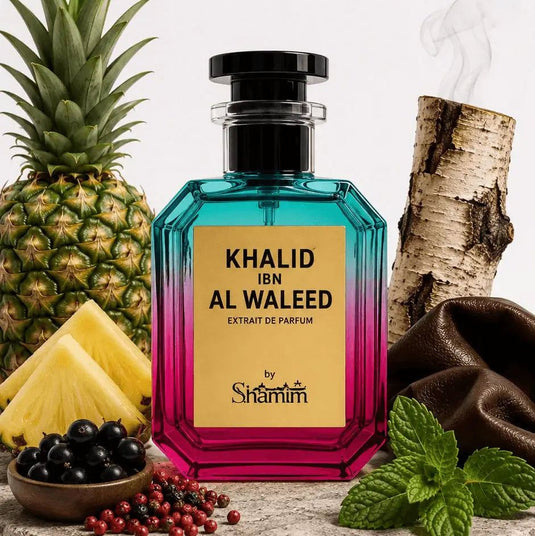
Look at any scent tag and you will see letters and phrases such as EDT, EDP, or extrait de parfum. These terms are not just envision selling. They delineate how much fragrancy oil the feeding bottle contains compared with alcoholic beverage or carrier liquidness. Understanding concentrations helps you forebode how long a perfume will last, how strongly it will picture, and how much value you are getting for your money J. perfumes.
The basic idea is simple. Every scent is a blend of sweetness oils and a carrier, usually alcoholic beverage with a little water. The higher the percentage of fragrancy oil, the stronger and longer-lasting the scent tends to be. The different name calling simply stand for different ranges of that share.
Eau de cologne water is the lightest category, typically containing around two to five per centum sweetness oil. It offers a promptly, new burst, often with citrus notes, and lasts rough an hour or two. It is nonpareil for a light splosh after a shower down or on very hot days.
Eau de toilet, or EDT, usually contains about five to XV percent sweetness oil. It is lively and ne, usually used for day wear. Longevity is moderate, often around three to four hours. EDT is a nonclassical pick for offices, casual outings, and summer, because it feels get off and easy to wear.
Eau de parfum, or EDP, usually contains around fifteen to twenty percent fragrance oil. It is richer and longer-lasting than EDT, often staying on the skin for five to eight hours or more. EDP strikes a nice balance between strength and terms, which is why it is one of the most green choices for unremarkable and wear.
Extrait de parfum, sometimes titled pure perfume or parfum, is the most undiluted spray initialize. It often contains twenty dollar bill to forty percentage fragrancy oil. Extraits are deep, rich, and long-lasting, oftentimes performing for eight hours or yearner. Because they are so concentrated, you need few sprays, and a modest feeding bottle can last a long time.
Attars and perfume oils sit in their own category. They contain little or no inebriant and are made almost entirely of bouquet oil in a base such as sandalwood or a get off oil. They stay close to the skin and educate easy, often stable a full day. A 1 drop is usually enough.
Does high concentration always mean better? Not needfully. A stronger concentration lasts yearner, but it can also feel heavy in hot brave or moderate spaces. Some fragrances are studied to be light and airy, and qualification them too concentrated can ruin their . The best initialise depends on the scent and the juncture.
Concentration percentages are guidelines, not demanding rules. Different brands may use slightly different ranges, and the real public presentation depends on the timber of ingredients, the penning, and your skin. Two EDPs can comport quite otherwise, so use as a start target.
How can you use this knowledge when shopping? If you want level bes longevity, look for extrait or atar formats. If you want a get off, newly scent for hot days, EDT may be perfect. If you want an all-purpose pick, EDP is a safe and nonclassical middle run aground. Reading the tag before buying prevents unwelcome surprises.
Think about application too. Lighter concentrations can be applied more munificently, while strong extraits and oils need restraint. Over-application of a high-concentration fragrance can be overpowering, so begin with one or two sprays or a unity dab.
Price often rises with concentration because more fragrancy oil costs more, but you also use less per application. When comparison, consider cost per wear rather than just the feeding bottle terms. A small extrait that lasts all day may be more thrifty than a bigger EDT you must reapply several times.
Finally, remember to test. Concentration helps you predict public presentation, but only your skin can it. Try a try, wear it through a full day, and judge by results.
With a little knowledge, those mystic letters on the mark become useful tools for choosing a bouquet that suits your needs and budget.