
Finding the right Metal Fabricator in Wilmington NC is essential for anyone looking to get high-quality metalwork done.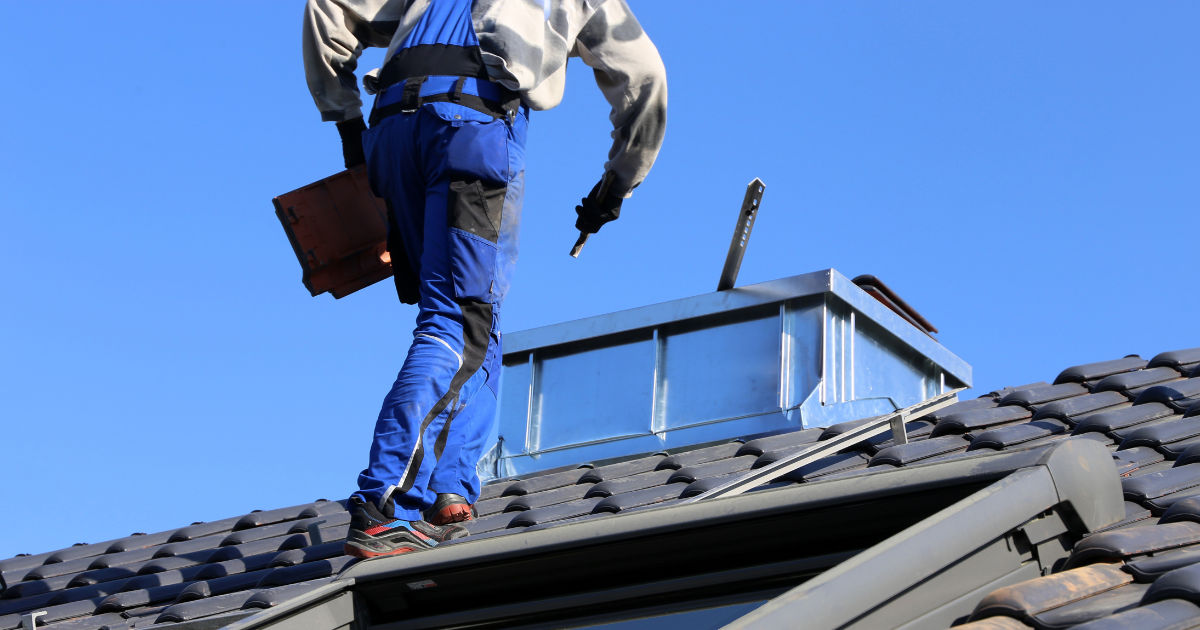
Whether you are a business owner, contractor, or individual planning a custom project, choosing a skilled and reliable metal fabricator can save time, money, and headaches.
This guide will provide you with practical advice, tips, and considerations to help you make the best choice.
Metal fabrication involves cutting, shaping, and assembling metal parts to create structures, products, or components.
A professional Metal Fabricator in Wilmington NC can handle a wide range of metals, including steel, aluminum, and stainless steel. From welding to bending and assembling, they have the tools, skills, and expertise needed for precise results.
Your Project Requirements
Before searching for a Metal Fabricator in Wilmington NC, it’s important to define your project requirements. Consider the following:
-
The type of metal you need
-
The scale of your project
-
Your design and engineering specifications
-
Any specialized finishes or treatments required
Knowing exactly what you need will help you communicate clearly with potential fabricators. A clear project plan also ensures you get accurate estimates and timelines.
Check the Fabricator’s Experience
Experience matters in metal fabrication. A fabricator with years of experience is more likely to deliver high-quality work. Look for companies that have completed projects similar to yours. Ask about:
-
The types of metals they work with
-
Previous project examples
-
Industry certifications or specialized training
An experienced Metal Fabricator in Wilmington NC will understand common challenges and can offer valuable advice to improve your design or production process.
Evaluate Their Equipment and Technology
Modern metal fabrication requires advanced machinery and tools. The right equipment ensures precision, efficiency, and safety. When choosing a Metal Fabricator in Wilmington NC, consider whether they have:
-
CNC machines for cutting and shaping
-
Welding equipment for various metals
-
Bending and forming tools
-
Finishing and coating equipment
A fabricator with up-to-date technology can handle complex designs and large projects more effectively.
Ask About Quality Control
Quality control is critical in metal fabrication. You want a fabricator who pays attention to detail and maintains strict standards. Ask about:
-
Inspection procedures
-
Material testing
-
Compliance with industry standards
A reliable Metal Fabricator in Wilmington NC should be able to demonstrate their quality control process. This ensures that your project will meet your expectations and last for years.
Check Reputation and References
Reputation matters when choosing a metal fabricator. Look for online reviews, testimonials, and references from past clients. Ask potential fabricators for:
-
Client references
-
Photos of completed projects
-
Case studies
Speaking with previous clients can provide insight into the fabricator’s reliability, communication skills, and ability to deliver on time. A reputable Metal Fabricator in Wilmington NC will have a strong track record.
Consider Turnaround Time
Time is often a crucial factor in metal fabrication projects. Discuss your timeline with potential fabricators to ensure they can meet your schedule. A reliable Metal Fabricator in Wilmington NC should be able to:
-
Provide realistic project timelines
-
Handle urgent orders if needed
-
Communicate delays promptly
Being clear about deadlines upfront prevents misunderstandings and ensures your project is completed on time.
Understand Pricing and Estimates
Cost is an important consideration, but it shouldn’t be the only factor. Get detailed quotes from multiple fabricators and compare them. Ask about:
-
Material costs
-
Labor charges
-
Additional services such as finishing or assembly
A professional Metal Fabricator in Wilmington NC will provide transparent pricing and help you understand what is included in the estimate. Avoid fabricators who give vague or overly low quotes, as this may indicate lower quality work.
Evaluate Customer Service
Good customer service is essential for a smooth fabrication process. You want a fabricator who listens to your needs, communicates clearly, and is responsive to questions. When interacting with potential fabricators, consider:
-
How quickly they respond to inquiries
-
Whether they offer guidance or suggestions
-
Their willingness to explain technical details
A Metal Fabricator in Wilmington NC with strong customer service will make the entire project more enjoyable and stress-free.
Look for Specialized Services
Some metal fabricators offer specialized services that may be beneficial for your project. These can include:
-
Custom welding
-
Powder coating or painting
-
Sheet metal bending and forming
-
Prototyping
Choosing a Metal Fabricator in Wilmington NC with specialized capabilities can save you from needing multiple vendors, which streamlines your project and reduces costs.
Verify Licensing and Insurance
Before hiring a metal fabricator, ensure they are licensed and insured. This protects you in case of accidents or damages during fabrication. Ask for:
-
Proof of business license
-
Liability insurance coverage
-
Workers’ compensation insurance
A licensed and insured Metal Fabricator in Wilmington NC shows professionalism and protects both parties.
Visit the Facility
If possible, visit the fabricator’s facility in person. Seeing their workshop gives you a better understanding of their capabilities, equipment, and quality standards. During the visit, pay attention to:
-
Cleanliness and organization
-
Safety practices
-
The condition of equipment
Visiting the facility also allows you to meet the team and discuss your project face-to-face, which can improve communication and trust.
Review Contracts Carefully
Always review contracts and agreements before starting a project. Make sure the contract includes:
-
Scope of work
-
Timeline and milestones
-
Pricing and payment terms
-
Warranty and quality guarantees
A professional Metal Fabricator in Wilmington NC will provide a clear contract that protects both parties and outlines expectations.
Consider Sustainability Practices
Sustainability is becoming increasingly important in manufacturing. If your project values eco-friendly practices, ask potential fabricators about:
-
Waste management and recycling
-
Use of sustainable materials
-
Energy-efficient processes
Working with a Metal Fabricator in Wilmington NC that prioritizes sustainability aligns with environmental responsibility and modern business standards.
Ask About Maintenance and Support
Some projects may require ongoing maintenance or support after fabrication. Check whether the fabricator offers:
-
Maintenance services
-
Repair and replacement options
-
Technical support
Choosing a Metal Fabricator in Wilmington NC who provides post-project support can ensure your metal structures remain safe and functional for years.
Compare Multiple Fabricators
Never settle for the first fabricator you find. Compare multiple options to find the best fit for your needs. Evaluate each based on:
-
Experience and expertise
-
Equipment and technology
-
Pricing and turnaround time
-
Reputation and references
Taking the time to compare ensures you select a Metal Fabricator in Wilmington NC that meets all your project requirements and delivers the best value.
Trust Your Instincts
Finally, trust your instincts. Communication, professionalism, and responsiveness matter. If something feels off during your interactions, it may be better to explore other options. A trustworthy Metal Fabricator in Wilmington NC should make you feel confident about the project and its outcome.
Conclusion
Choosing the right Metal Fabricator in Wilmington NC is a critical step in ensuring the success of your metal fabrication project. From understanding your requirements and checking experience to evaluating equipment, quality control, and customer service, each factor plays a vital role. By carefully considering references, pricing, specialized services, and sustainability practices, you can select a fabricator who delivers high-quality work on time and within budget.
Remember to visit the facility if possible, review contracts thoroughly, and trust your instincts when making the final decision. Taking these steps ensures that your project is completed efficiently, safely, and to the highest standards.
Investing time in selecting the right fabricator pays off in the long run, resulting in durable, precise, and professionally crafted metal products. Whether it’s for a commercial, industrial, or personal project, the right Metal Fabricator in Wilmington NC will be a reliable partner from concept to completion.
By following this guide, you can confidently choose a metal fabricator who meets your needs, exceeds your expectations, and ensures the success of your project.

 One natural and effective way to boost immunity is through proper nutrition. Among the key nutrients for immune health,
 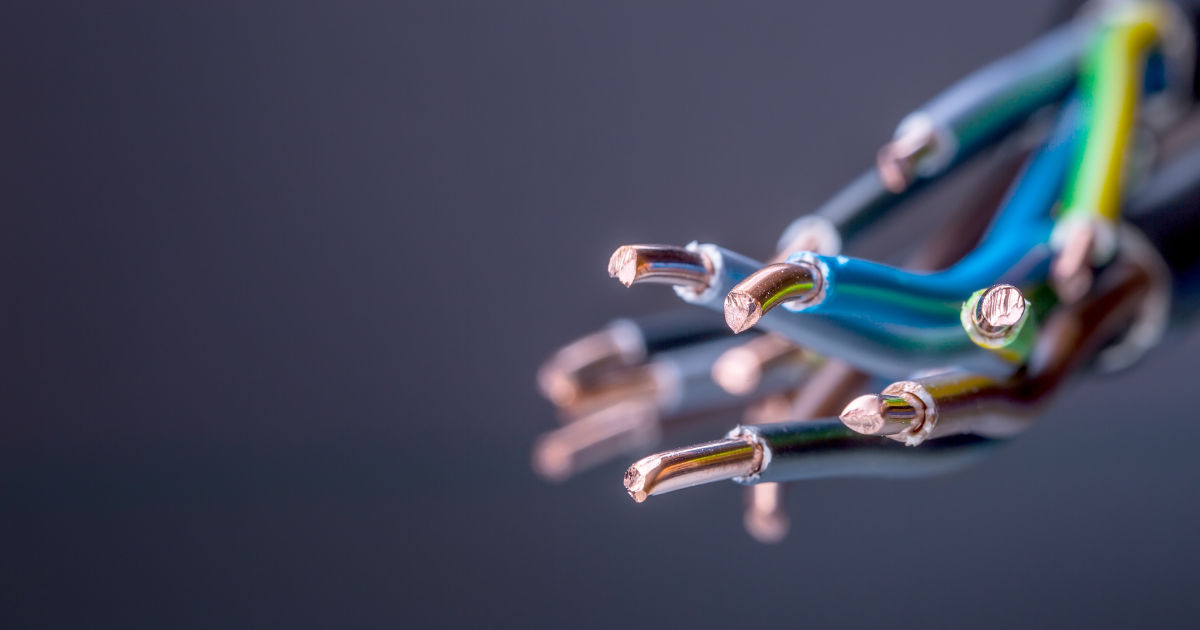 Using high-quality materials from a trusted
  Its speed, versatility, and reliability make it a top choice for manufacturers across industries like food and beverage, pharmaceuticals, cosmetics, and automotive.