Author: Millermarker

Erotic Massage: A Journey into Sensual Connection and Deep Intimacy

Erotic massage is a practice that transcends the boundaries of traditional massage techniques by combining therapeutic touch with sensuality and intimacy. Rooted in ancient practices and modern techniques, it offers individuals and couples a chance to reconnect with their bodies, explore sexual energy, and deepen emotional bonds. Erotic massage is not solely about arousal; it is an experience that emphasizes mindfulness, touch, and the art of slowing down to fully experience the sensations of the body.

This article delves into the concept of erotic massage, its benefits, the techniques involved, and how this practice can bring couples closer together while enhancing their physical and emotional connection.

Understanding Erotic Massage

Erotic massage is a type of bodywork that focuses on stimulating sensuality through touch. While it is often associated with physical pleasure and arousal, the goal of erotic massage is to create an intimate environment where the receiver and giver can fully experience the sensual aspects of touch in a slow, deliberate manner. It is distinct from more conventional massage forms, such as Swedish or deep tissue, in that it focuses on more intimate, sensual areas of the body, like the inner thighs, lower back, and chest.

Erotic massage may involve the use of oils, candles, music, and scented lotions to enhance the experience. It can be a powerful tool for couples to explore their sexual desires, but it is also an excellent way for individuals to cultivate greater self-awareness and self-love through the act of receiving touch.

The Emotional and Physical Benefits of Erotic Massage

Erotic massage goes beyond the physical realm and touches on emotional well-being, connection, and personal intimacy. Here are some of the key benefits of practicing erotic massage, whether solo or with a partner:

1. Improved Emotional Intimacy

Erotic massage allows partners to express vulnerability, trust, and affection in a way that builds emotional closeness. The act of offering and receiving touch can foster a deep sense of intimacy, as it requires both individuals to communicate openly and with care about their boundaries, desires, and feelings. By engaging in this type of touch, couples can strengthen their emotional bond and develop a more profound connection.

2. Stress Reduction and Relaxation

Like traditional massage techniques, erotic massage helps release physical tension, promoting relaxation. The act of slow, mindful touch helps lower cortisol levels (the stress hormone) and activates the parasympathetic nervous system, encouraging the body to relax and rejuvenate. This can be particularly helpful for couples looking to unwind from the pressures of daily life or reconnect after a stressful day.

3. Increased Sensual Awareness

Erotic massage encourages individuals to be fully present with their bodies and sensations. Through slow and deliberate touch, the experience enhances body awareness, allowing individuals to better understand and appreciate the sensations their bodies are capable of feeling. For many people, this can be an opportunity to explore sensuality that they may have previously ignored or taken for granted.

4. Improved Communication Skills

Engaging in erotic massage requires clear communication between partners. Discussing preferences, boundaries, and desires is essential to ensure a positive and comfortable experience for both participants. This open dialogue not only strengthens the practice itself but also improves communication in other areas of the relationship. Couples can explore each other’s likes and dislikes, ultimately fostering a better understanding of one another.

5. A Boost to Confidence and Self-Love

Erotic massage provides a safe space for individuals to embrace and honor their bodies. It encourages self-love by helping individuals become more in tune with their physicality. When practiced solo, erotic massage can be a journey of self-exploration and body acceptance. This can lead to increased confidence, a better relationship with one’s body, and an enhanced sense of sexual empowerment.

Techniques for a Meaningful Erotic Massage Experience

Erotic massage involves specific techniques designed to engage the senses and awaken sensuality. These techniques are slow, deliberate, and often focus on areas of the body that are typically overlooked in daily life. Below are some fundamental techniques to help guide an erotic massage experience:

1. Long, Gliding Strokes

One of the most common techniques in erotic massage is the use of long, smooth strokes. These strokes are performed with the palms of the hands, fingers, or forearms, and they are intended to cover larger areas of the body such as the back, legs, and arms. The key here is to maintain a slow and rhythmic pace, allowing the recipient to relax and tune into the sensations that arise from each movement. The longer strokes help calm the mind, relieve tension, and create a gentle, sensuous atmosphere.

2. Circular Motions

Circular motions, made using fingertips or palms, are a great way to relieve tension while also stimulating sensitive areas of the body. These movements can be used on the back, shoulders, thighs, and chest to release tightness and increase blood flow. The circular technique is particularly effective when applied to areas where muscle tension often accumulates, such as the neck and lower back. It can also help stimulate energy flow throughout the body, enhancing sensual awareness.

3. Light, Feather-Like Touch

Feather-light touches involve gently gliding fingertips across the skin. This technique creates a subtle tingling sensation that heightens sensitivity. It can be used on more delicate areas like the inner thighs, the back of the neck, or the wrists. These light touches help build anticipation, drawing attention to erogenous zones and slowly increasing arousal. It’s a technique that helps both the giver and receiver stay present in the moment and attuned to each other’s physical responses.

4. Focused Attention on Erogenous Zones

Erogenous zones are highly sensitive areas of the body that respond to touch in a more intimate way. These include the inner thighs, neck, lower back, breasts, and genitals. Erotic massage often focuses on stimulating these areas with both light and firm touch, creating a heightened sense of pleasure. By paying focused attention to these zones, the massage can become both soothing and arousing, enhancing sexual energy and creating a deeper sense of connection.

5. Synchronizing Breath

Breathing together is an essential part of erotic massage that can deepen the connection between partners. By breathing in sync, you encourage relaxation, establish rhythm, and promote a shared experience of intimacy. Deep, slow breaths can help both individuals to focus on the sensations of the massage, creating a grounded, mindful experience. Breathing together also promotes relaxation, allowing both partners to relax into the experience and enjoy the physical and emotional benefits of touch.

Setting the Scene: Creating the Perfect Atmosphere for Erotic Massage

To fully immerse yourself in the experience of erotic massage, it’s essential to set up an atmosphere that promotes relaxation, intimacy, and sensuality. Here are some tips for creating the perfect setting:

2. Stress Reduction and Relaxation

0

Dim lighting is ideal for creating a soothing and intimate atmosphere. You can use candles, preferably scented, to add warmth and a soft glow to the room. Candlelight creates a sense of calm and sensuality, setting the tone for the experience. You can also use low-wattage lamps or fairy lights to achieve the same effect.

2. Stress Reduction and Relaxation

1

Soft, calming music helps to create a tranquil atmosphere that enhances the massage experience. Choose instrumental or ambient music that complements the slow rhythm of the massage. Avoid songs with lyrics that could be distracting. The right music should set the mood without overpowering the sense of touch and connection.

2. Stress Reduction and Relaxation

2

Essential oils are an excellent way to enhance the sensory experience of erotic massage. Lavender, sandalwood, ylang-ylang, and jasmine are popular choices for their calming and aphrodisiac qualities. You can use an essential oil diffuser or mix the oils with massage lotions or oils. Aromatherapy helps to relax the body and stimulate the senses, adding another layer of sensuality to the massage.

2. Stress Reduction and Relaxation

3

Make sure the space you use for erotic massage is comfortable and inviting. You can use soft sheets, blankets, or cushions to make the area feel cozy. Ensure the room temperature is just right—not too hot or cold—to avoid discomfort. A comfortable, inviting space makes it easier to relax and fully engage in the experience.

Conclusion: Erotic Massage as a Gateway to Deeper Connection

Erotic massage is an intimate and nurturing practice that goes far beyond physical touch. It fosters emotional connection, encourages mindful communication, and enhances physical pleasure. Whether practiced solo or shared with a partner, it serves as a tool for deepening intimacy, increasing body awareness, and cultivating self-love.

By incorporating erotic massage into your life, you create an opportunity for profound connection—one that transcends the physical and embraces the emotional, the sensual, and the mindful. Erotic massage is not just about the act of touch; it’s about being present, listening to your body, and connecting on a deeper, more intimate level. Whether you're exploring it with a partner or practicing it on your own, the benefits of erotic full service massage hong kong extend far beyond the experience itself, enriching your relationship with your body, your desires, and your partner.


The Church: Heart Of Faith And Community Spirit


The Church has always been more than a edifice with walls and a cross on top it is the heart of faith, a gather direct where souls merge in and love. For centuries, the Church has been a leading force, shaping spiritual lives and nurturing communities with compassion and hope.

A Place Where Faith Grows

Inside every Church, there is a feel of peace that touches the spirit. It is where prayers are surd, songs of congratulations rise, and people reconnect with their beliefs. Whether thousand cathedrals or small settlement chapels, churches give believers a sacred quad to feel to God and tone up their spiritual journey.

The Church as a Family

The Church is not just about religion it is about populate. It brings individuals together, turn strangers into syndicate through divided up faith and resolve. Many find friendly relationship, direction, and console within their Church community. Together, they observe joys, subscribe one another through pain, and work for the good of others.

Service and Compassion

A true Church reaches beyond its walls. It stands for Greek valerian, kindness, and serve. From feeding the starved to visiting the sick, the Church lives its missionary work by helping those in need. These acts of love cue us that faith is not only about feeling it s about sue and compassion.

A Source of Strength in Changing Times

In today s world, where stress and uncertainness often dominate, the Church cadaver a steady germ of console. Its teachings remind people to have trust, show pardon, and never lose hope. Even as beau monde changes, the Church s unaltered message continues to heal and inspire hearts.

Embracing the Future

Modern churches are embracing new ways to connect with believers online sermons, practical gatherings, and mixer media outreach are now commons. This shows that trust adapts to time, yet its innovation corpse undaunted. The Church continues to merge people, whether in soul or online, through prayer and divided up opinion.

Conclusion

The 香港教會 stands as a symbol of get off in a worldly concern that sometimes feels dark. It is where Black Maria find public security, faith grows stronger, and love becomes sue. No weigh the era or location, the Church cadaver the spiritual home where world rediscovers the true meaning of unity, forgivingness, and .

SIM Cards: The Unsung Heroes of Mobile Connectivity

In the world of mobile technology, it's easy to overlook the tiny piece of hardware that enables our phones to connect to the world around us. While smartphones get all the attention for their sleek designs, powerful processors, and groundbreaking features, the SIM card is often the unsung hero that makes it all possible. Though small in size, the SIM card is an essential part of mobile communication, enabling everything from voice calls and text messages to internet access and security.

What is a SIM Card?

A SIM card (Subscriber Identity Module) is a small, removable chip embedded with information that links a phone to its mobile network. Think of it as the phone’s passport to the mobile world. Without it, your phone would be nothing more than a glorified camera and calculator.

At its core, the SIM card serves two main functions: authentication and network access. It holds critical information like your phone number, service plan, and other vital details that identify you as a legitimate user of a mobile network. This allows your device to connect to the cellular towers that provide you with call and data services.

How Does a SIM Card Work?

When you insert a SIM card into a mobile device, it stores your International Mobile Subscriber Identity (IMSI), a unique code that distinguishes your phone number from others. When you turn on the phone, the device contacts the cellular network using the IMSI to authenticate your identity and verify that you're authorized to access the network.

Once authenticated, the SIM card allows you to:

  • Make calls
  • Send text messages
  • Browse the internet
  • Use mobile data services

The 手機轉台 card also stores certain keys for encrypting communication between your device and the network, ensuring that your calls and data are secure and private.

Evolution of SIM Cards: From the Beginning to eSIM

SIM cards have come a long way since their inception in the early 1990s. Initially, they were designed for use with GSM (Global System for Mobile Communications) networks and had a standard size of 25mm x 15mm. Over the years, as phones became slimmer and more compact, SIM cards also shrank in size.

  1. Standard SIM: The original SIM card size, still used in some older phones.
  2. Micro SIM: A smaller version introduced to accommodate more compact smartphones.
  3. Nano SIM: The smallest size of SIM card, used in most modern smartphones.
  4. eSIM (Embedded SIM): This is the latest innovation in SIM card technology. An eSIM is a digital SIM that is built into a device, meaning it cannot be physically removed. Users can switch carriers or change plans digitally, without needing to physically swap SIM cards.

The Importance of SIM Cards in Global Mobility

One of the major advantages of SIM cards is the ability to swap them between devices. If you want to switch phones, all you have to do is remove the SIM card from your old phone and insert it into your new one. This portability also extends to international travel. With a global or international roaming plan, travelers can use their SIM card in different countries to access local networks.

Moreover, many countries have a system known as SIM locking, where mobile devices sold by a specific carrier are tied to that carrier’s network. This means a phone bought in one country may not work with a different carrier’s SIM card unless it’s unlocked. This is why purchasing a phone that is compatible with various networks can be an important consideration when traveling abroad.

For those who travel frequently, swapping a local SIM card with a SIM from your home country can help reduce the cost of international roaming services, which can be particularly expensive. Some travelers choose to purchase a local SIM when they arrive at their destination, providing them with more affordable rates for calls and data usage.

eSIM: The Future of Mobile Connectivity

The rise of eSIM technology has paved the way for a new, more flexible future of mobile communication. Unlike traditional SIM cards, eSIMs are embedded directly into the device, which makes the process of switching between networks simpler than ever before. Instead of physically changing out a SIM card, eSIM technology allows users to update their mobile carrier and service plan directly from the device settings.

Here’s what makes eSIM technology particularly exciting:

  • Multiple Profiles: You can store multiple mobile carrier profiles on a single eSIM. This means you can switch between carriers for different service plans, such as one for domestic use and another for international travel.
  • Space-Saving Design: Without the need for a removable SIM card, phones, tablets, and other devices can be designed to be thinner and lighter.
  • Remote Activation: Changing your carrier or plan can be done remotely, reducing the need to visit a carrier’s store or wait for a physical SIM card to arrive in the mail.

Major smartphone brands like Apple and Google have already integrated eSIM capabilities into their latest models, and more carriers are adopting the technology. As 5G networks continue to roll out, the use of eSIMs is expected to grow rapidly, particularly in smart devices beyond phones, like wearables, tablets, and connected cars.

SIM Cards and Security

Another critical function of SIM cards is their role in maintaining mobile security. The SIM card stores encryption keys that ensure that communication between the device and the mobile network is secure. This is particularly important for voice calls and text messages, which were historically vulnerable to interception.

In addition, SIM cards help protect against fraud by requiring authentication when the device connects to the network. This authentication helps ensure that only legitimate users can access the service, preventing unauthorized access to sensitive information.

For extra protection, SIM card locks are available, which require a PIN code to unlock the card if it’s removed and placed in another device. This adds a layer of security to your personal information in case the phone is lost or stolen.

SIM Card Alternatives and Challenges

Despite the rise of eSIM, traditional SIM cards are still far from obsolete. Some devices, particularly low-cost phones and those designed for emerging markets, may still rely on removable SIM cards. However, challenges remain in the widespread adoption of eSIM technology, especially in regions where mobile networks and regulatory policies have not fully supported it.

Another hurdle to global SIM card adoption is interoperability. In some parts of the world, there are different types of networks that require different SIM card standards, which can create problems for users who travel frequently. However, the growth of global carriers and roaming agreements is helping to ease these concerns.

Conclusion: The SIM Card's Unwavering Role in Modern Connectivity

Although the world of mobile technology has evolved significantly, the SIM card remains an indispensable part of our daily lives. Whether it's allowing you to switch between phones, connect to a network, or protect your information from unauthorized access, the SIM card plays a vital role in making mobile communication seamless and secure.

As the industry shifts toward eSIM technology and more integrated devices, the humble SIM card will continue to evolve, offering more convenience and functionality to meet the needs of a rapidly advancing digital world. The next time you pop your SIM into a new phone or use it to stay connected while traveling, remember the tiny chip inside is more than just a piece of plastic—it's the gateway to global connectivity.

Cardiology: The Science of Heart Health and Treatment

Cardiology is a specialized branch of medicine focused on diagnosing, treating, and preventing heart-related diseases. As the heart is the central organ that drives the circulatory system, its health is crucial for the overall well-being of the body. Cardiologists, the experts in this field, play a key role in managing cardiovascular diseases and ensuring the heart functions effectively throughout a person's life.

The Heart: The Engine of the Body

The human heart is a muscular organ that pumps blood throughout the body. With its four chambers (the left and right atria and the left and right ventricles), it plays a pivotal role in circulating oxygen-rich blood to the organs and tissues, while removing carbon dioxide and waste products. Each beat of the heart serves as the engine that keeps blood flowing, ensuring that the body's cells receive the nutrients they need to function.

Heart diseases, which affect millions globally, can disrupt this critical function. Cardiologists specialize in understanding the complexities of heart anatomy and physiology, enabling them to diagnose a wide range of heart conditions and offer personalized treatments to patients.

Key Areas of Focus in Cardiology

Cardiology encompasses several aspects of heart health, ranging from the study of the heart’s electrical system to its blood flow and structural integrity. Below are some of the major areas of focus:

  1. Coronary Artery Disease (CAD): This is one of the most common heart conditions, occurring when plaque builds up in the arteries that supply blood to the heart muscle. The plaque narrows the arteries and can lead to chest pain (angina) or even heart attacks. In severe cases, it can be treated with procedures such as angioplasty or coronary artery bypass surgery (CABG).

  2. Heart Failure: In heart failure, the heart is unable to pump blood efficiently, leading to fluid retention, fatigue, shortness of breath, and reduced capacity for physical activity. While heart failure is chronic and progressive, cardiologists use various strategies, including medication and lifestyle changes, to manage the condition.

  3. Arrhythmias: These are abnormal heart rhythms that can cause the heart to beat too fast, too slow, or irregularly. Common types of arrhythmias include atrial fibrillation, ventricular tachycardia, and bradycardia. Some arrhythmias can be managed with medications, while others may require procedures like ablation or pacemaker implantation.

  4. Valvular 心臟檢查計劃 Disease: The heart’s four valves—mitral, aortic, tricuspid, and pulmonary—regulate blood flow between the heart chambers and into the arteries. When these valves become damaged or diseased, they can lead to heart failure or other complications. Treatment options include valve repair or replacement surgery.

  5. Congenital Heart Defects: These are structural heart defects present at birth, affecting the heart’s structure and function. Depending on the severity, they may require medical management, surgery, or other interventions during infancy or later in life.

  6. Hypertension: High blood pressure is a significant risk factor for heart disease. If left untreated, it can lead to complications such as heart failure, stroke, and kidney damage. Cardiologists focus on controlling blood pressure through medications, diet, and exercise.

Innovations and Technologies in Cardiology

The field of cardiology has advanced significantly over the past few decades, thanks to technological innovations. These advancements have enhanced the ability to diagnose and treat heart diseases more accurately and efficiently:

  • Cardiac Imaging: Modern imaging techniques, such as echocardiography, magnetic resonance imaging (MRI), and computed tomography (CT) scans, allow cardiologists to visualize the heart's structure and blood vessels without the need for invasive procedures. These imaging tools help diagnose conditions such as heart disease, valve abnormalities, and congenital heart defects.

  • Minimally Invasive Procedures: Invasive procedures, once requiring major surgery, have evolved into minimally invasive options. For instance, coronary angioplasty uses a balloon to open blocked arteries, and stent placement can maintain artery patency, reducing the need for open-heart surgery.

  • Robot-Assisted Surgery: Robotic technology has revolutionized certain surgical procedures. Using robotic-assisted systems, surgeons can perform precise heart surgeries with smaller incisions and reduced recovery times. These technologies improve surgical outcomes and reduce patient risk.

  • Wearable Heart Monitors: Advancements in wearable technology have empowered individuals to monitor their heart health in real time. Devices such as fitness trackers, smartwatches, and wearable ECG monitors allow patients to detect abnormal heart rhythms and alert healthcare providers to potential issues, facilitating early intervention.

  • Artificial Intelligence (AI): AI algorithms are increasingly being used to assist in diagnosing heart conditions. AI can analyze medical imaging, ECGs, and other diagnostic data to identify patterns and provide cardiologists with precise readings. This technology has the potential to speed up diagnoses and improve patient care.

Prevention: Protecting the Heart Before Disease Strikes

Prevention plays a crucial role in cardiology. Many heart diseases, such as coronary artery disease and hypertension, can be avoided or managed with the right lifestyle choices. Cardiologists emphasize the importance of heart-healthy habits, including:

  • Regular Exercise: Engaging in physical activity strengthens the heart, improves circulation, and helps maintain a healthy weight. Cardiologists recommend at least 30 minutes of moderate exercise most days of the week.

  • Balanced Diet: A diet rich in fruits, vegetables, whole grains, and lean proteins helps reduce the risk of heart disease. Reducing salt, sugar, and saturated fat intake can also help manage blood pressure and cholesterol levels.

  • Smoking Cessation: Smoking is a major risk factor for heart disease, as it damages blood vessels and leads to plaque buildup. Quitting smoking dramatically reduces the risk of heart attack, stroke, and other cardiovascular problems.

  • Stress Management: Chronic stress can elevate blood pressure and contribute to heart disease. Practices such as meditation, yoga, and deep breathing exercises can help reduce stress and promote heart health.

  • Regular Health Checkups: Regular checkups with a healthcare provider can help identify risk factors like high blood pressure, high cholesterol, and obesity early on, allowing for timely intervention and management.

The Future of Cardiology

The future of cardiology holds exciting possibilities. Research into gene therapy, stem cell treatments, and regenerative medicine could open doors to groundbreaking treatments for heart disease. Additionally, with the increasing prevalence of artificial intelligence in healthcare, cardiology is likely to see even more advancements in precision medicine and personalized treatment plans.

As cardiology continues to evolve, the collaboration between medical professionals, researchers, and technology experts will be vital in addressing the growing global burden of heart disease. The goal is not just to treat heart disease but to prevent it, helping individuals lead long, healthy lives free from cardiovascular complications.

Conclusion

Cardiology is more than just a medical specialty; it is a vital area of healthcare that shapes the way we approach heart health. From advanced diagnostic tools to cutting-edge treatment options, cardiologists play an indispensable role in improving heart health and saving lives. With heart disease being a leading cause of death worldwide, ongoing research and technological advances continue to offer new hope for patients and drive improvements in care. By prioritizing prevention and staying informed about cardiovascular health, individuals can significantly reduce their risk of heart disease and lead healthier, more fulfilling lives.

The Role of Supplements in Enhancing Athletic Performance and Recovery

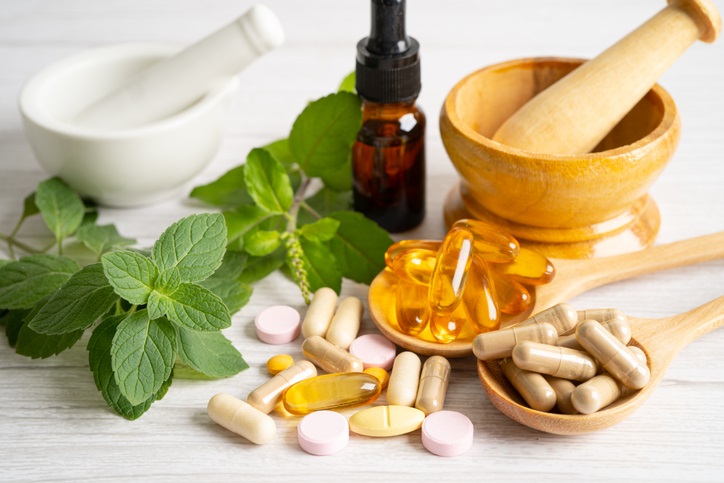
In the world of athletics, whether professional or recreational, individuals are constantly searching for ways to optimize their performance and accelerate recovery. Along with proper training, nutrition, and rest, dietary supplements have become a popular tool in the pursuit of peak physical performance. These supplements are designed to provide essential nutrients, promote muscle growth, enhance endurance, and speed up recovery times. While the market is flooded with a wide array of products, it’s important to understand which supplements work best for your specific needs, as well as how they can benefit your athletic journey.

What Are Performance-Enhancing Supplements?

Performance-enhancing supplements are products designed to support athletic performance by providing additional nutrients or compounds that the body may need to perform at its best. These supplements can help improve strength, endurance, speed, and recovery, allowing athletes to train harder, perform better, and recover faster. They typically come in the form of powders, capsules, or liquids and are used alongside a balanced diet and regular training regime.

Supplements used for athletic purposes can be categorized into three main types:

  1. Pre-workout Supplements: These are designed to be taken before exercise to help boost energy levels, endurance, and focus during the workout.
  2. Intra-workout Supplements: Taken during exercise, these supplements help maintain hydration, electrolytes, and performance levels.
  3. Post-workout Supplements: These are used after exercise to support recovery, muscle repair, and replenish lost nutrients.

Popular Supplements for Athletic Performance

A wide variety of supplements can aid in different aspects of athletic performance. Here’s a closer look at the most commonly used supplements by athletes:

1. Protein Supplements

Protein is a key nutrient required for muscle growth, repair, and recovery. After intense exercise, muscle fibers undergo microscopic tears that need to be repaired. Consuming protein after a workout helps to rebuild and strengthen muscle tissue. Protein powders, such as whey protein, casein protein, and plant-based options like pea or soy protein, are often consumed to ensure athletes get the necessary protein intake.

  • Benefits: Supports muscle repair and growth, reduces muscle soreness, and enhances recovery after exercise.

2. Creatine

Creatine is one of the most widely researched and effective performance-enhancing supplements. It is a naturally occurring compound in the body that helps produce energy during high-intensity, short-duration activities like sprinting or weightlifting. By supplementing with creatine, athletes can improve their strength, power, and overall workout performance.

  • Benefits: Increases strength and power, enhances muscle mass, and improves performance during high-intensity exercises.

3. Branched-Chain Amino Acids (BCAAs)

BCAAs consist of three essential amino acids—leucine, isoleucine, and valine—that play a key role in protein synthesis and muscle recovery. BCAA supplements are often consumed during or after workouts to help prevent muscle breakdown, reduce fatigue, and speed up recovery.

  • Benefits: Reduces muscle soreness, supports muscle preservation, and helps prevent fatigue during intense workouts.

4. Beta-Alanine

Beta-alanine is an amino acid that helps buffer acid buildup in muscles during exercise, especially in high-intensity activities. By reducing the build-up of lactic acid, beta-alanine helps athletes perform better and for longer durations without feeling fatigued. This is especially beneficial for activities like sprinting, rowing, or resistance training.

  • Benefits: Improves endurance, reduces fatigue, and enhances performance during intense exercise.

5. Caffeine

Caffeine is a stimulant commonly found in pre-workout supplements. It works by stimulating the central nervous system, which can increase focus, alertness, and energy levels. For athletes, caffeine is a popular ergogenic aid that can improve performance by reducing perceived effort and increasing endurance.

  • Benefits: Increases energy, focus, and endurance, reduces perceived effort, and enhances workout performance.

6. Electrolytes

Electrolytes—such as sodium, potassium, magnesium, and calcium—are essential for maintaining hydration and regulating muscle function. During exercise, athletes lose electrolytes through sweat, which can lead to dehydration, muscle cramps, and fatigue. Supplementing with electrolytes can help restore these vital minerals and maintain optimal performance.

  • Benefits: Prevents dehydration, reduces muscle cramps, and helps maintain hydration levels during exercise.

7. Glutamine

Glutamine is the most abundant amino acid in the body and plays a crucial role in muscle recovery and immune system support. Intense physical exertion can deplete glutamine stores, leading to increased muscle soreness and weakened immune function. Supplementing with glutamine helps to speed up recovery and reduce muscle breakdown.

  • Benefits: Enhances muscle recovery, supports immune function, and reduces muscle soreness after intense workouts.

The Role of Supplements in Recovery

Recovery is a crucial part of any athlete’s routine, and supplements can play an essential role in speeding up the recovery process. Proper recovery ensures that athletes can train harder and more frequently without overtraining, while also reducing the risk of injury. The key to an effective recovery strategy includes a combination of rest, hydration, nutrition, and supplementation.

Here are some supplements that are commonly used to improve recovery after workouts:

  1. Post-Workout Protein: Consuming a protein-rich supplement immediately after a workout helps to jump-start the muscle repair process. Whey protein, in particular, is quickly absorbed by the body and can be effective in replenishing amino acids for muscle recovery.

  2. Carbohydrates: After intense exercise, muscles deplete their glycogen stores, which need to be replenished for optimal recovery. Carbohydrate supplements, such as glucose or maltodextrin, can quickly provide energy and restore glycogen levels in muscles.

  3. Omega-3 Fatty Acids: Omega-3s, found in fish oil and flaxseed oil, are known for their anti-inflammatory properties. Supplementing with omega-3 fatty acids helps reduce muscle soreness, inflammation, and swelling, aiding in faster recovery.

  4. Tart Cherry Juice: Tart cherries contain natural compounds that help reduce inflammation and muscle soreness. Studies have shown that consuming tart cherry juice post-exercise can reduce muscle pain and accelerate recovery.

Potential Risks and Considerations

While supplements can provide performance benefits, it’s important to use them wisely and in moderation. Here are some key points to consider when incorporating supplements into your routine:

  1. Quality Control: Not all supplements are created equal. It’s important to choose high-quality supplements that have been third-party tested for purity and potency. Some lower-quality supplements may contain harmful additives, contaminants, or incorrect dosages.

  2. Consult a Healthcare Professional: Before starting any supplement, especially if you have pre-existing health conditions or are taking medications, it’s essential to consult a healthcare provider. Some supplements can interact with medications or may not be suitable for certain individuals.

  3. Avoid Overuse: More is not always better when it comes to supplementation. Taking excessive amounts of certain supplements can lead to negative side effects. Stick to the recommended dosages and use supplements to complement a balanced diet and proper training, not replace them.

  4. Holistic Approach: Supplements should never replace a healthy diet and training regimen. While they can help enhance performance and speed up recovery, the foundation of athletic success lies in proper nutrition, training, sleep, and hydration.

Conclusion

Supplements can play a valuable role in enhancing athletic performance, supporting recovery, and ensuring that athletes achieve their full potential. From protein powders to creatine, BCAAs to electrolytes, there are a variety of supplements available to suit the specific needs of athletes. However, it’s important to remember that supplements are most effective when combined with a well-rounded approach to health, including a balanced diet, proper training, and adequate rest.

Before incorporating supplements into your regimen, be sure to consult with a healthcare professional, choose high-quality products, and use them responsibly. With the right approach, 手術後補身 can provide the support needed to improve athletic performance and accelerate recovery, allowing you to reach your fitness goals and achieve your peak potential.