Your Exciting Realm Of Casino The Look Into The Design

Stepping into a gambling casino paints a intense image of an alternate universe of discourse- one filled with vivacious colours, enthralling people, fascinating lights, and the intoxicating noise of shuffling cards, spinning toothed wheel, and victorious cheers. Originally, casinos were strictly for entertainment and socialisation, diverging a unusual theme of enchant, whodunit, and drama. However, with ever-changing multiplication, these establishments have fully grown into widely established icons of leisure and potentiality economic gain.

Casino games offer an interesting mix of luck, skill, risk, and pay back. At the spirit of these games is a basic principle players bet on outcomes. Classic casino games include roulette, where players bet on which amoun or color a ball will land on after spinning in a wheel around. Blackjack, another front-runner, involves trying to attain a card value as close to 21 as possible without going over. Then, there’s fire hook, a game that involves scheme and bluffing to win with the best of card game.

Today’s subject area advancements have played a vital role in formation the gambling casino of the time to come. Online casinos have not only made gambling more easily available but have also been key to democratizing the practice. They offer a vast lay out of games, bonuses, and promotions that are as compelling as those in a physical casino, if not more. Secure payment methods and software package that ensures fair play are making online casinos an more and more nonclassical choice among players.

Beyond the games and victorious opportunities, casinos also carry a discernment significance. They are seen as centers of tourism, attracting visitors from across the world with their seductive and foretell of luck. For cities like Las Vegas and Macau, the business of SLOT GACOR MALAM INI significantly contributes to their local anesthetic economies, supporting thousands of jobs and generating billions in tax income. Essentially, casinos are not just spaces for entertainment and play but a fundamental part of the and thriftiness.

However, despite the allure and worldly benefits, responsible for gaming and the gambling casino s propensity to induce dependance stay on topics of vital relate. To turn to these issues, casinos have begun pickings stairs to further responsible for play, such as setting sporting limits, offering resources for problem gamblers, and promoting transparence in play rules and odds.

It’s attractive how casinos have evolved over the years- from moderate gaming houses in 17th Venice to sophisticated online platforms. They are no yearner just places to try one’s luck. They have become perceptiveness and economic hubs, places for sociable fundamental interaction, and elements of touristry. As we look towards the hereafter, the phylogeny of casinos promises to bring up even more exhilaration and innovation.

What are the levels of outpatient treatment?

Drug and alcohol outpatient treatment is an essential option for individuals seeking recovery without the need for full-time hospitalization. Outpatient programs offer flexibility, allowing patients to maintain work, school, and family responsibilities while receiving care.

Understanding the different levels of outpatient treatment can help individuals and their families choose the most effective path toward recovery.

In this guide, we will explore the types of outpatient treatment, how they differ, and what patients can expect from each level.
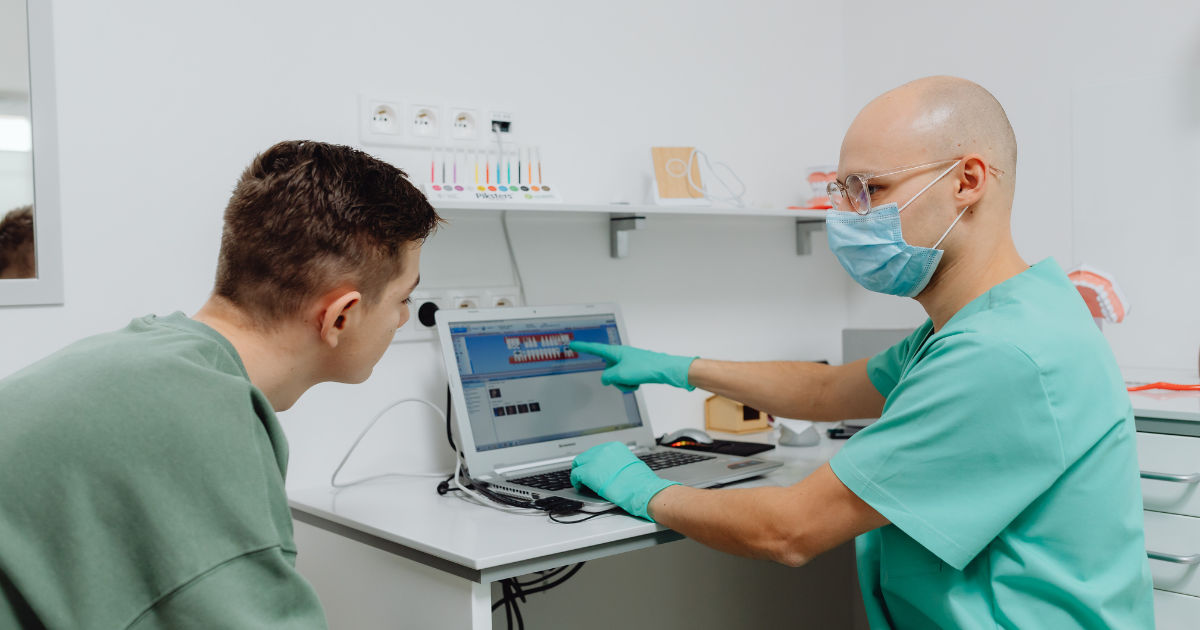
Outpatient treatment focuses on helping individuals manage addiction in a structured yet flexible environment. Unlike inpatient treatment, patients do not live at the facility. Instead, they attend scheduled sessions and receive support while continuing their daily lives.

Drug and alcohol outpatient treatment provides a wide range of services, from counseling and therapy to medical monitoring and support groups.

What Is Outpatient Treatment?

Outpatient treatment is a method of care where individuals attend therapy sessions, counseling, and other services without residing in a facility. This approach is suitable for people whose addiction is not life-threatening or who have already completed detoxification in a medical setting. Drug and alcohol outpatient treatment emphasizes education, therapy, and behavioral support to help patients achieve and maintain sobriety.

The main goal of outpatient treatment is to offer structured care while allowing individuals to live at home. This flexibility makes it easier for patients to integrate recovery into their daily lives. Outpatient programs vary in intensity, duration, and frequency, depending on the patient’s needs. Understanding these levels is crucial to selecting the most effective treatment plan.

Benefits of Outpatient Treatment

Outpatient treatment offers several advantages over inpatient care. First, it allows patients to maintain daily routines such as work, school, or family obligations. Second, outpatient programs are often more affordable than inpatient treatment. Third, patients receive personalized care tailored to their unique challenges.

Drug and alcohol outpatient treatment helps individuals develop coping strategies, relapse prevention skills, and emotional support networks. Therapy sessions focus on addressing the root causes of addiction while building resilience. Additionally, outpatient care can serve as a step-down option after intensive inpatient treatment, providing ongoing support during the transition to everyday life.

Levels of Outpatient Treatment

Outpatient treatment is not a one-size-fits-all approach. It is divided into different levels based on the intensity of care needed. These levels help clinicians provide the appropriate level of support while encouraging independence. The primary levels of outpatient treatment include:

1. Standard Outpatient Programs (SOP)

Standard outpatient programs are the most flexible level of care. They typically involve one to three sessions per week, each lasting between 60 to 90 minutes. SOPs are ideal for individuals with mild to moderate addiction who can maintain daily responsibilities while attending treatment.

Sessions often include individual counseling, group therapy, and educational programs. These programs focus on teaching patients coping skills, relapse prevention techniques, and strategies to manage triggers. Drug and alcohol outpatient treatment at this level is suitable for people with strong support systems and a relatively stable home environment.

2. Intensive Outpatient Programs (IOP)

Intensive outpatient programs (IOP) provide more structured care than standard programs. Patients typically attend therapy sessions three to five days per week, with each session lasting three to four hours. IOPs are designed for individuals with moderate addiction or those who have recently completed inpatient treatment.

IOPs offer a combination of individual therapy, group counseling, family therapy, and educational workshops. Drug and alcohol outpatient treatment at this level emphasizes developing long-term recovery skills and addressing underlying mental health issues. The structured nature of IOPs allows patients to focus on recovery while still living at home.

3. Partial Hospitalization Programs (PHP)

Partial hospitalization programs (PHP) are the most intensive form of outpatient treatment. Patients attend sessions five to seven days per week, usually for six to eight hours a day. PHPs are suitable for individuals with severe addiction or those transitioning from inpatient care.

PHPs provide a comprehensive approach, including medical monitoring, individual and group therapy, educational sessions, and support groups. Drug and alcohol outpatient treatment at this level ensures that patients receive continuous care while gradually reintegrating into daily life. PHPs help prevent relapse by offering intensive support and monitoring.

Components of Outpatient Treatment

Outpatient treatment involves multiple components designed to support recovery. Each level of care may offer different services depending on the program’s intensity. Common components include:

Counseling and Therapy

Individual counseling allows patients to explore the root causes of addiction and develop coping strategies. Group therapy offers peer support and a sense of community, helping individuals feel less isolated in their recovery journey. Family therapy can improve communication and strengthen relationships, creating a supportive home environment.

Medical and Psychiatric Support

Some outpatient programs provide medical supervision, including medication management for addiction or co-occurring mental health disorders. Drug and alcohol outpatient treatment often integrates psychiatric care to address conditions such as anxiety, depression, or bipolar disorder, which can affect recovery.

Educational Programs

Educational programs teach patients about addiction, relapse prevention, and healthy lifestyle choices. Learning about the science of addiction helps individuals understand their behavior and develop strategies to maintain sobriety.

Support Groups

Peer support groups, such as 12-step programs, are often incorporated into outpatient treatment. These groups provide encouragement, accountability, and a network of individuals who share similar experiences. Participation in support groups has been shown to improve long-term recovery outcomes.

Relapse Prevention Planning

Relapse prevention is a critical aspect of outpatient care. Patients learn to identify triggers, manage stress, and develop coping mechanisms. Drug and alcohol outpatient treatment programs emphasize creating a personalized plan to prevent relapse and maintain long-term sobriety.

Choosing the Right Level of Outpatient Care

Selecting the appropriate level of outpatient treatment depends on several factors, including the severity of addiction, co-occurring mental health conditions, and the patient’s support system. A thorough assessment by a licensed clinician is essential to determine the best course of action.

Individuals with mild addiction may benefit from standard outpatient programs, while those with moderate to severe addiction may require intensive outpatient programs or partial hospitalization. Drug and alcohol outpatient treatment professionals consider medical history, substance use patterns, and personal goals when recommending a level of care.

Signs You May Need Intensive Outpatient Care

Certain signs indicate that a higher level of outpatient care may be necessary. These include:

  • Difficulty maintaining sobriety despite previous attempts

  • Frequent relapse or cravings

  • Co-occurring mental health disorders

  • Limited support system at home

  • Severe social or occupational impairment

If any of these signs are present, intensive outpatient programs or partial hospitalization may provide the structure and support needed for successful recovery.

Structure of a Typical Outpatient Program

Outpatient programs are structured to provide a balance of therapy, education, and support. A typical day in an intensive outpatient program might include:

  • Morning group therapy session

  • Individual counseling

  • Educational workshop on addiction

  • Lunch and social support activities

  • Afternoon group therapy session

Standard outpatient programs usually have fewer sessions and focus on individual therapy, group discussions, and educational seminars. Partial hospitalization programs have a schedule similar to inpatient treatment but allow patients to return home each evening.

The Role of Family in Outpatient Treatment

Family involvement is a crucial component of outpatient recovery. Families can provide emotional support, monitor progress, and encourage participation in therapy. Drug and alcohol outpatient treatment programs often include family counseling to improve communication and resolve conflicts that may contribute to addiction.

Supportive families can help patients adhere to treatment plans, recognize early signs of relapse, and maintain a stable home environment. Educating family members about addiction and recovery increases the likelihood of long-term success.

Advantages of Outpatient Treatment Over Inpatient Care

Outpatient treatment offers several advantages compared to inpatient programs:

  • Flexibility to maintain work, school, or family responsibilities

  • Lower cost than residential treatment

  • Ability to apply recovery skills in real-life situations

  • Access to a wide range of therapy and support services

  • Step-down option after intensive inpatient care

Drug and alcohol outpatient treatment provides the structure necessary for recovery while allowing patients to remain in their communities. This balance helps individuals develop independence while receiving professional support.

Challenges of Outpatient Treatment

While outpatient treatment offers many benefits, it also comes with challenges. Patients must resist temptations and triggers in their daily environments. Maintaining motivation and adhering to the treatment schedule can be difficult without a strong support system. Additionally, individuals with severe addiction may require more intensive care than standard outpatient programs provide.

Programs address these challenges by offering structured schedules, therapy, and support groups. Drug and alcohol outpatient treatment professionals work closely with patients to create strategies for overcoming obstacles and maintaining sobriety.

Integrating Outpatient Treatment With Other Services

Outpatient treatment can be combined with other services to enhance recovery. For example, patients may participate in community support programs, vocational training, or holistic therapies such as yoga and meditation. Integration of multiple services addresses physical, emotional, and social aspects of addiction.

Medication-assisted treatment (MAT) is often used alongside outpatient therapy for individuals with opioid, alcohol, or nicotine addiction. MAT helps manage withdrawal symptoms, reduce cravings, and support long-term recovery. Combining medication with behavioral therapy has been shown to improve outcomes significantly.

How to Prepare for Outpatient Treatment

Preparing for outpatient treatment involves several steps:

  1. Assessment: Undergo a professional evaluation to determine the severity of addiction.

  2. Detoxification: Complete detox if necessary, either inpatient or supervised at home.

  3. Setting Goals: Establish clear recovery goals and expectations.

  4. Support System: Ensure family, friends, or peers are involved in the recovery process.

  5. Scheduling: Arrange work, school, and home responsibilities around treatment sessions.

Preparation helps patients maximize the benefits of drug and alcohol outpatient treatment and reduces the risk of relapse.

Success Rates of Outpatient Treatment

Success rates for outpatient treatment vary based on program intensity, patient commitment, and support systems. Studies show that patients who participate in intensive outpatient programs or partial hospitalization have higher recovery rates than those in standard programs alone. Family involvement, therapy adherence, and participation in support groups also contribute to better outcomes.

Drug and alcohol outpatient treatment programs that provide comprehensive care, including medical support and counseling, show significant improvements in long-term sobriety and quality of life.

Conclusion

Outpatient treatment is a flexible and effective option for individuals seeking recovery from addiction. Understanding the levels of outpatient care—standard outpatient programs, intensive outpatient programs, and partial hospitalization—is crucial for selecting the right approach. Drug and alcohol outpatient treatment provides the structure, support, and education needed to achieve long-term sobriety while allowing patients to maintain their daily responsibilities.

With personalized care, therapy, family involvement, and ongoing support, outpatient treatment can be a powerful step toward recovery. Choosing the appropriate level of care, adhering to the treatment plan, and building a strong support system significantly increase the chances of lasting success.

Drug and alcohol outpatient treatment is more than a temporary solution—it is a path toward a healthier, balanced life where individuals regain control over their future. Whether starting recovery or transitioning from inpatient care, outpatient programs provide the tools, structure, and support necessary for sustainable change.


Mastering Sports Indulgent: Insider Tips For Predicting Outcomes Like A Pro Bettor

Sports sporting has evolved from unplanned wagers among friends to a multi-billion-dollar global manufacture, attracting everyone from amateur fans to experient professionals. While luck plays a role in any form of play, mastering the art of sports indulgent requires a strategical go about grounded in research, discipline, and sharp a priori skills. If you’re ready to take your betting game to the next level, here are insider tips to help you promise outcomes like a experienced pro.

1. Understand the Fundamentals Before You Wager

Before placing any bet, it’s necessity to understand the basics of sports card-playing including odds formats(decimal, waist-length, or American), bet types(moneyline, place spread, totals), and the import of implied chance. A firm hold on of these elements enables you to pass judgment whether a bet offers value a indispensable skill for long-term success.

Pro Tip: Focus on markets you truly sympathize. Whether it’s the NBA, NFL, or Premier League, knowledge of the disport’s nuances will give you a significant edge.

2. Line Shopping: Never Settle for One Sportsbook

Professional bettors don t just place bets at the first sportsbook they find they shop around. Different sportsbooks may offer slightly different odds for the same event. By comparing lines, you can systematically find better value, which improves your profitability over time.

Insider Insight: Use odds comparison tools or apps to monitor treble books simultaneously. Even a modest shift in odds can make a big difference in your ROI(Return on Investment).

3. Dive Deep into Data and Analytics

Gone are the days when a gut tactual sensation or team trueness could steer profitable indulgent. Today s acutely bettors rely on data. From team statistics and combat injury reports to sophisticated metrics like unsurprising goals(xG) or player efficiency ratings(PER), the more data you can analyze, the better your predictions will become.

Key Data Points to Consider:

Home vs. away performance

Recent form and momentum

Head-to-head history

Weather conditions(especially for outdoor sports)

Coaching strategies and match-up trends

Pro Tip: Incorporate tools like indulgent models, Excel spreadsheets, or subscription-based analytics platforms to streamline your work.

4. Manage Your Bankroll Like a Business

One of the most unmarked aspects of sports card-playing is roll direction. Pro bettors treat their roll as investment funds capital they protect it at all and never let emotions dictate their dissipated decisions. A park rule is the 1 3 rule: never bet more than 1 to 3 of your tot roll on a unity bet on.

Avoid Chasing Losses: akongcuan after a loss often leads to poor decisions. Stay disciplined, review your strategies, and stick to your dissipated plan.

5. Specialize in a Niche Market

While casual bettors sharpen on mainstream markets like the NFL or Champions League, professionals often find their edge in less-publicized markets where bookmakers may have weaker lines. Think WNBA, lour-tier European football game leagues, or college basketball conferences.

Why It Works: These markets draw i less care and indulgent volume, meaning odds are slower to set offer card sharp bettors better opportunities to work inefficiencies.

6. Follow the Sharp Money

Sharp money refers to wagers made by reputable, high-stakes bettors. Monitoring line movements especially when odds shift but card-playing volume doesn t suggest world process can indicate where the smart money is going.

Pro Strategy: Follow invert line social movement when the line moves in the opposite way of the sporting majority. It often signals sharply litigate support the other side.

7. Stay Educated and Adapt

The sporting landscape painting is always evolving. Rules transfer, teams germinate, and new analytic tools . To stay aggressive, bettors must stay long learners.

Join Betting Communities: Engage with others on forums, podcasts, or Discord groups where sharp bettors partake insights, trends, and tips. But think of always vet your sources and trust your own explore.

Final Thoughts

Mastering sports sporting isn t about striking every bet it s about making measured, value-based decisions over time. With a trained mind-set, sharp analytic tools, and strategic preparation, you can transfer from a aspirant wagerer to a homogeneous winner. Treat it like a byplay, stay patient role, and always bet with your psyche not your spirit.

What to put on a details card vs main card Brides+1?

When it comes to planning a wedding, every detail matters—especially when sending out invitations. One of the most common questions brides face is: what should go on the main wedding card and what should be on the details card?

Understanding the difference is essential for clear communication with your guests, keeping your wedding organized, and ensuring that your wedding day runs smoothly.

In this comprehensive guide, we’ll break down everything you need to know about what to include on a wedding card, how to use details cards effectively, and tips for making your invites both beautiful and functional.

A wedding card is the first impression your guests will have of your wedding. It communicates not just the date and location, but also the tone and style of your celebration.

A well-thought-out wedding card can make your guests feel excited and informed. But with multiple elements to include, separating them between the main card and a details card is key.

Purpose of a Wedding Card

Before diving into the specifics of what goes on each card, it’s important to understand why wedding cards are structured this way. A traditional wedding invitation usually consists of two parts:

  1. Main Card: This card focuses on the essentials—who is getting married, when, and where.

  2. Details Card: This card contains supplemental information that guests need, such as dress code, accommodation options, directions, and registry information.

The main goal is clarity. Guests should be able to glance at the main card and immediately know the core information without feeling overwhelmed. The details card allows you to provide extra information without cluttering the main invitation.

Key Elements of a Main Wedding Card

The main wedding card is the heart of your wedding invitation suite. This is the piece that sets the tone for your event and conveys the most important details. Here’s what should be included:

1. Names of the Couple

The top priority on your main wedding card is the names of the bride and groom. Traditionally, the bride’s name is listed first, followed by the groom’s. However, modern couples often choose to list names alphabetically or in a way that feels personal.

For example:

  • Traditional: Emma Grace Taylor and John Michael Smith

  • Modern: John Michael Smith & Emma Grace Taylor

This is the first piece of information guests see, so make sure it’s prominent and clear.

2. The Wedding Date

The wedding date should be written clearly and in a way that leaves no room for confusion. Spell out the month and day to avoid any misunderstanding. For instance, “Saturday, the fifteenth of June, 2026” is more elegant and readable than 06/15/26.

3. The Ceremony Location

Include the full address of the venue, including city and state. If your wedding is at multiple locations (ceremony and reception separate), note the ceremony location here and provide the reception information on the details card.

For example:

  • St. Mary’s Cathedral, 123 Main Street, Boston, MA

Adding a map or directions belongs on the details card rather than the main card.

4. Time of Ceremony

Guests should know exactly when the wedding starts. Be specific about the hour and whether it is AM or PM. Including the duration is optional but can help guests plan their day.

5. RSVP Instructions

While some couples include RSVP cards as separate inserts, the main wedding card should reference how guests can respond. For example:

  • “Kindly RSVP by May 15th, 2026.”

Avoid cramming too many RSVP details on the main card; these should appear more fully on the response card if you have one.

What Goes on a Details Card

The details card complements the main wedding card by providing all additional information your guests may need. The key is to keep it organized, clear, and concise.

1. Reception Details

If the reception is at a different location or follows a different schedule, include that information on the details card. Mention:

  • Venue name and address

  • Reception start time

  • Directions or shuttle information

For example:

  • Reception to follow at The Grand Ballroom, 456 Elm Street, Boston, MA. Shuttle service available from St. Mary’s Cathedral.

2. Accommodation Information

Many guests may travel from out of town, so include hotel recommendations, block booking information, or special rates. Provide:

  • Hotel name

  • Address

  • Booking code or link

  • Contact number

This helps guests plan their stay without having to search for accommodations themselves.

3. Dress Code

If you have a specific dress code, the details card is the best place to include it. Be clear but polite. For example:

  • Black tie optional

  • Cocktail attire requested

  • Casual attire for beach ceremony

4. Directions and Transportation

For ease of navigation, provide driving directions, public transportation tips, or parking information. You can also mention shuttle services or ride-sharing options.

5. Registry Information

While some couples prefer to include a registry card separately, a details card can include this too. Keep it simple:

Avoid putting gift requests on the main card as it can seem impersonal or pushy.

6. Additional Notes

Other important notes can include:

  • COVID-19 safety measures

  • Childcare availability

  • Special requests or accessibility information

Details cards are meant to make the guest experience smooth, so the more helpful information you provide, the better.

Design Tips for Wedding Cards

Design is just as important as content. Both main cards and details cards should match in style, font, and color scheme. Here’s how to create a cohesive look:

1. Consistency

Use the same font styles and colors on both cards. This creates a visual connection and ensures your wedding suite feels complete.

2. Readability

While decorative fonts look beautiful, legibility is key. Your main wedding card should be easy to read at a glance. For details cards, use a simpler font for practical information.

3. Layout

The main card should feel elegant and uncluttered. Keep the text centered and balanced. The details card can be more structured, with sections clearly marked for reception, accommodation, dress code, etc.

4. Size and Paper Quality

Details cards are usually smaller than the main wedding card but still high-quality. Thick cardstock gives a premium feel. Envelope sizes should match to prevent damage during mailing.

Common Mistakes to Avoid

Even with a clear plan, it’s easy to make mistakes when creating wedding cards. Here are some common ones:

  1. Overloading the Main Card: Crowding too much information on the main card can confuse guests. Keep it simple and elegant.

  2. Unclear Directions: Always include complete addresses and consider adding a map on the details card if necessary.

  3. Forgetting Important Dates: RSVP deadlines or hotel booking deadlines should never be overlooked.

  4. Ignoring Accessibility Needs: If guests need special accommodations, include that info on the details card.

  5. Clashing Designs: Make sure all cards in your suite look cohesive and polished.

Sample Main Card Wording

To give you a practical example, here’s how a main wedding card might look:

Emma Grace Taylor and John Michael Smith

request the pleasure of your company at their wedding celebration

Saturday, the fifteenth of June, 2026

at 4 o’clock in the afternoon

St. Mary’s Cathedral

123 Main Street, Boston, MA

Reception to follow

Notice that it’s concise, clear, and contains only the most essential details. Any additional information—such as accommodations, dress code, or directions—would go on the details card.

Sample Details Card Wording

Here’s a practical example for a details card:

Reception:

The Grand Ballroom, 456 Elm Street, Boston, MA

Shuttle service available from St. Mary’s Cathedral

Accommodations:

The Boston Hotel, 789 Oak Avenue, Boston, MA

Special rate code: TAYLOR2026

Dress Code:

Cocktail attire requested

Registry:

For our registry, please visit www.example.com

Additional Notes:

Parking is available at the venue. Please RSVP by May 15th, 2026.

This card is detailed, practical, and keeps the main card uncluttered.

Modern Trends for Wedding Cards

Wedding card trends are constantly evolving. Here are some modern approaches:

  1. Digital Details Cards: Many couples use QR codes on the main wedding card that link to an online details page. This reduces paper use and allows for updates.

  2. Themed Cards: Use the colors, florals, or seasonal themes from your wedding in both main and details cards.

  3. Minimalist Designs: Clean, elegant layouts are increasingly popular. One clear main card paired with a simple details card is highly effective.

  4. Interactive Elements: Maps, itineraries, and timelines can be included for multi-day events or destination weddings.

Tips for Brides+1

If you are attending as a brides+1, here are some tips to understand the information on wedding cards:

  1. Check RSVP Instructions: Always respond by the deadline, whether you are a guest alone or bringing a plus-one.

  2. Review Details Carefully: The main card tells you the basics; the details card tells you everything else. Check both.

  3. Plan Travel and Accommodation: If the details card includes hotel recommendations, book early to secure your room.

  4. Dress Accordingly: Pay attention to the dress code on the details card to ensure you’re dressed appropriately.

Understanding the split between main and details cards makes attending a wedding easier and ensures you don’t miss anything important.

Conclusion

Creating a wedding card that balances elegance with practicality can be challenging, but knowing what belongs on the main card versus the details card is a big step in the right direction. The main card should highlight the essentials—names, date, location, and ceremony time—while the details card should include all supplemental information like reception details, accommodations, dress codes, and registry links. This approach ensures that guests are informed without feeling overwhelmed.

With the right design, layout, and content, your wedding card suite becomes not just an invitation, but a thoughtful guide for your guests. Properly executed, it sets the tone for your special day and makes the experience seamless for everyone attending. Remember, clarity and simplicity are key—an elegant main card paired with a well-organized details card is the perfect combination for any wedding.

By carefully planning and following these guidelines, your wedding invitations will be both beautiful and functional, helping your guests feel welcomed, informed, and excited to celebrate with you.

Manfaat Bermain Slot Online bagi Pemain Indonesia

Mustikaslot Siapa yang tidak mengenal permainan slot? Permainan yang menggunakan mesin ini telah menjadi salah satu permainan kasino yang paling populer sejak dulu. Namun, dengan semakin berkembangnya teknologi, kini permainan slot juga dapat dimainkan secara online melalui internet. Pemain tidak perlu lagi pergi ke kasino untuk bisa memainkan game ini dan menikmati sensasi bermain slot.

Permainan slot online telah menjadi sangat populer di kalangan para pecinta judi online. Hal ini karena permainan ini menawarkan keseruan dan kesempatan untuk memenangkan hadiah besar hanya dengan menekan tombol. Namun, sebelum Anda memulai bermain, ada baiknya Anda mengenal lebih dalam tentang seluk beluk slot online dan cara-cara memenangkan hadiahnya.

Slot online adalah versi online dari mesin slot yang biasanya ditemukan di kasino-kasino. Mesin ini memiliki beberapa gulungan yang akan berputar setiap kali pemain menekan tombol. Tujuan dari permainan ini adalah untuk mendapatkan kombinasi gambar yang sama pada setiap gulungan yang berputar. Kombinasi tersebut akan menentukan jumlah kemenangan yang akan didapatkan oleh pemain.

Terdapat berbagai macam tema dan jenis slot online yang dapat dimainkan, mulai dari slot klasik hingga slot video dengan grafik yang menarik. Namun, permainan slot biasanya memiliki persentase pengembalian yang sama, yaitu sekitar 90-98%. Artinya, meskipun ada beberapa perbedaan dalam fitur dan tema, peluang untuk menang pada semua jenis kantong57 relatif sama.

Untuk memenangkan hadiah dalam permainan slot online, sangat penting untuk memahami cara kerja mesin slot ini. Mesin slot menggunakan sebuah program yang disebut dengan random number generator (RNG) yang akan menentukan hasil dari setiap putaran gulungan. RNG ini akan menciptakan hasil yang acak dan tidak bisa dimanipulasi oleh pemain maupun pihak lainnya. Artinya, setiap putaran di mesin slot adalah kesempatan yang sama untuk memenangkan hadiah.

Untuk meningkatkan peluang menang, ada beberapa hal yang dapat diperhatikan saat memainkan slot online. Pertama, pilihlah mesin slot dengan persentase pengembalian yang lebih tinggi. Meskipun persentase ini tidak menjamin kemenangan, namun memiliki peluang yang lebih tinggi. Kedua, perhatikan juga batas taruhan yang ditetapkan oleh mesin slot tersebut. Memahami batas taruhan akan membantu pemain mengelola keuangan dan meminimalkan kerugian.

Selain itu, pemain juga dapat memanfaatkan fitur bonus yang ditawarkan oleh mesin slot. Fitur bonus ini biasanya akan muncul dalam bentuk putaran gratis atau permainan tambahan yang dapat meningkatkan peluang untuk memenangkan hadiah. Namun, pastikan untuk membaca aturan dan cara memenangkan fitur bonus ini sebelum memainkannya.

Yang terakhir, tetaplah bermain dengan santai dan jangan terlalu berambisi untuk memenangkan hadiah besar. Slot online adalah permainan yang mengandalkan keberuntungan dan hasil yang acak. Cobalah untuk menikmati permainan tanpa terlalu memikirkan kemenangan dan pastikan untuk berhenti bermain jika sudah mencapai target kemenangan atau kekalahan yang sudah ditetapkan sebelumnya.

Dengan memahami seluk beluk slot online dan memahami cara kerja dan strategi terbaik, diharapkan pemain dapat lebih bijak dalam memainkan permainan ini. Jangan lupa untuk tetap bermain dengan bertanggung jawab dan nikmati keseruan serta sensasi memenangkan hadiah besar dari permainan slot online.