The Best Time To Play Slots: Tips For Timing Your Visits

If you 39;re a fixture slot player, you 39;re likely witting that the timing of your casino visits can importantly touch your play go through. You might have detected that some days and hours seem to bring off better luck than others. But have you ever stopped to think about the best time to play slots? It 39;s not just a count of chance- certain days of the week and times of day can involve the odds in your favour. By sympathy these dynamics, you can make au courant decisions about when to visit the casino, and that 39;s exactly what we 39;ll explore next.

Peak Hours for Slot Machines

When you 39;re looking to play slots, timing can be everything. Peak hours for slot machines can make or wear away your gaming experience.

These hours usually take plac on Fridays and Saturdays from 8 pm to midnight, and on Sundays from 1 pm to 5 pm. These are the times when most people have ruined work or are enjoying their weekend, and they head to casinos to unwind.

During peak hours, slot machines are more likely to be tenanted, and you might find yourself wait for a simple machine to become available. However, some players believe that peak hours offer the best of successful. They think that with more populate acting, the payout relative frequency increases.

While this isn 39;t proven, you can still take advantage of the exhilaration and energy in the casino during peak hours.

If you do decide to play during peak hours, be prepared for crowds and make noise. It 39;s also necessity to set a budget and stick to it to keep off overspending. Remember, the key to triple-crown slot machine gambling is wise when to stop.

Avoiding Tourist Season Rush

A few key weeks and months of the year can significantly touch on your slot simple machine gambling go through. If you 39;re provision a trip to a nonclassical gambling casino destination, it 39;s necessity to consider the holidaymaker temper.

Summer, holidays, and specialised events attract big crowds, making it challenging to find a seat at your favorite slot simple machine.

You might want to avoid visiting casinos during peak tourist season, typically from June to August or during holidays like New Year 39;s Eve or Independence Day.

These periods are characterized by long lines, jam-packed floors, and hyperbolic noise levels. Additionally, some casinos may step-up the lower limit bets or tighten their payout schedules during these multiplication to capitalise on the inflow of visitors.

Day of the Week Matters

You 39;ve managed to avoid the crowds by visiting during the off-season, but that 39;s not the only factor to consider when planning your slot simple machine gambling Roger Sessions.

The day of the week can also play a substantial role in crucial your chances of victorious. Generally, the best days to play slots are weekdays, specifically Tuesdays, Wednesdays, and Thursdays.

These days tend to have less players and looser games, as casinos are trying to draw i more visitors during these slower periods.

On the other hand, weekends are usually huddled and busy, which means the games will be tighter to compensate for the higher volume of players.

Fridays and Mondays are also well-advised bad days to play, as they 39;re often occupied with weekend warriors and people taking stretched weekends.

Additionally, holidays and specialized events can draw in more players, qualification the games even tighter.

By avoiding these busy days, you can step-up your chances of winning and have a more enjoyable gaming go through.

Time of Day Affects Odds

Your slot machine play sessions can be influenced by more than just the day of the week- the time of day also plays a material role. When you take to play can importantly impact your odds of victorious.

Peak hours, usually between 8 PM and 2 AM, are when most players are online, which can lead to higher jackpots due to the enlarged add up of spins. However, this enlarged dealings also substance more competitor for those jackpots.

On the other hand, acting during off-peak hours, typically between 9 AM and 5 PM, may ply a better of victorious small, more patronise jackpots.

Since there are less players, the contender is lower, and you might see more sponsor payouts. However, it 39;s requirement to keep in mind that the size of the jackpots will likely be littler during these hours.

You should consider your playacting title and adjust your timing accordingly. If you 39;re after small, more sponsor wins, playing during off-peak hours might be the way to go.

Weekday Vs Weekend Play

Considering the kinetics of time unit and weekend play, it 39;s worth noting that many slot enthusiasts swear by the benefits of performin during the week. You 39;ll often find that weekdays, especially Tuesdays, Wednesdays, and Thursdays, are less jammed than weekends.

This can be good for you, as you 39;ll face less rival for popular games and possibly shorter lines at the . Additionally, some casinos tend to undo their slots on weekdays to draw i more players during slower periods.

On the other hand, weekends are usually when giga33 s get the most traffic, and this can regard the payout frequency of slots. You might find that the slots are tighter, meaning the payout part is turn down, as casinos try to capitalise on the redoubled come of players.

If you do plan to play on weekends, consider visiting during off-peak hours, like late at night or early in the morning time. This might give you a better of determination a unleash slot. Ultimately, it 39;s requisite to press the pros and cons of weekday and weekend play to determine the best strategy for you.

Conclusion

You 39;ve nonheritable the best times to play slots for optimal results. By avoiding peak tourer temper and crowded weekends, you can increase your chances of victorious. Weekdays, especially Tuesdays to Thursdays, are paragon for a more lax experience. If you favour the exhilaration of peak hours, plan your visits accordingly, but be prepared for the potency downsides. Timing your visits strategically will help you make the most of your slot-playing see.

Dunia Practical Yang Semakin Nyata: Perkembangan Online Gaming Dan Pengaruhnya Terhadap Kebiasaan Serta Kehidupan Generasi Bodoni Font

Perkembangan teknologi integer telah mengubah berbagai aspek kehidupan manusia, termasuk cara generasi modern berkomunikasi, mencari hiburan, dan menghabiskan waktu luang. Salah satu fenomena yang berkembang pesat adalah online miototo togel atau permainan dare. Dengan dukungan internet berkecepatan tinggi, perangkat pintar, serta perkembangan grafis dan kecerdasan buatan, dunia permainan digital kini terasa semakin nyata. Online gambling bukan lagi sekadar aktivitas untuk mengisi waktu luang, tetapi telah menjadi bagian dari kehidupan sosial dan budaya generasi Bodoni.

Pada awal perkembangannya, permainan komputer dan video game lebih banyak dimainkan secara individu atau bersama teman dalam satu perangkat. Namun, hadirnya net mengubah pola tersebut secara signifikan. Pemain kini dapat berinteraksi dengan orang lain dari berbagai wilayah secara langsung. Permainan daring memungkinkan terbentuknya komunitas virtual, kerja sama antarpemain, kompetisi internasional, hingga munculnya industri esports. Perkembangan tersebut menunjukkan bahwa play telah berkembang menjadi sebuah ekosistem integer yang memiliki nilai ekonomi dan sosial.

Pengaruh online gaming terhadap kebiasaan sehari-hari generasi Bodoni cukup besar. Bagi sebagian Pongo pygmaeus, bermain game dapat menjadi sarana hiburan setelah belajar atau bekerja. Permainan tertentu juga dapat melatih kemampuan memecahkan masalah, strategi, koordinasi, komunikasi, dan pengambilan keputusan. Dalam permainan yang membutuhkan kerja sama tim, pemain belajar membagi tugas serta berkomunikasi untuk mencapai tujuan bersama. Bahkan, komunitas gambling dapat menjadi ruang bagi seseorang untuk menemukan teman dengan minat yang sama.

Namun, penggunaan yang tidak terkendali juga dapat menimbulkan berbagai tantangan. Waktu bermain yang terlalu lama dapat mengurangi waktu untuk belajar, bekerja, berolahraga, beristirahat, atau berinteraksi secara langsung dengan keluarga. Kebiasaan bermain hingga larut malam juga dapat mengganggu pola tidur. Selain itu, lingkungan permainan daring terkadang menghadirkan persaingan yang intens, perilaku tidak sopan, serta tekanan untuk terus mencapai tingkat permainan tertentu. Karena itu, kemampuan mengatur waktu dan menjaga keseimbangan menjadi hal penting bagi para pemain.

Online gambling juga memengaruhi cara generasi modern font memandang hubungan sosial. Interaksi tidak lagi terbatas pada pertemuan secara langsung. Percakapan melalui fitur suara, pesan teks, dan komunitas virtual memungkinkan hubungan sosial terbentuk tanpa batas geografis. Meski demikian, hubungan practical sebaiknya tidak sepenuhnya menggantikan interaksi di dunia nyata. Keseimbangan antara kehidupan digital dan kehidupan sosial secara langsung tetap diperlukan agar perkembangan teknologi memberikan manfaat yang best.

Di sisi lain, pertumbuhan industri gaming membuka peluang baru dalam bidang pekerjaan dan ekonomi kreatif. Selain menjadi pemain profesional, seseorang dapat bekerja sebagai pengembang game, desainer grafis, energiser, pembuat konten, komentator esports, atau pengelola komunitas integer. Hal ini memperlihatkan bahwa dunia play telah berkembang dari sekadar hiburan menjadi bagian dari industri modern font.

Pada akhirnya, online play merupakan bagian penting dari perubahan kehidupan di era integer. Dampaknya dapat bersifat positif maupun negatif, bergantung pada cara dan intensitas penggunaannya. Generasi modern font perlu memiliki literasi digital dan kemampuan mengatur waktu agar dapat menikmati manfaat play tanpa mengabaikan pendidikan, pekerjaan, kesehatan, keluarga, serta kehidupan sosial. Dengan penggunaan yang bijaksana, dunia virtual dapat menjadi ruang hiburan, pembelajaran, kreativitas, dan interaksi yang melengkapi kehidupan nyata.

Pengaruh Online Gambling Terhadap Kehidupan Sehari-hari: Menelusuri Sisi Positif, Tantangan, Dan Perubahan Sosial Di Era Digital

Perkembangan teknologi digital telah membawa perubahan besar dalam berbagai aspek kehidupan manusia, termasuk cara seseorang menghabiskan waktu luang dan berinteraksi dengan orangutang lain. Salah satu fenomena yang berkembang pesat adalah online gaming atau permainan daring. Dengan adanya smartphone, komputer, dan koneksi cyberspace yang semakin mudah diakses, bermain game tidak lagi sekadar aktivitas hiburan, tetapi telah menjadi bagian dari kehidupan sehari-hari banyak orang. Fenomena ini memberikan berbagai manfaat, tetapi juga menghadirkan tantangan yang perlu diperhatikan.

Salah satu sisi positif online gaming adalah kemampuannya menjadi sarana hiburan dan pelepas stres. Setelah menjalani aktivitas belajar, bekerja, atau kegiatan rumah tangga, seseorang dapat bermain game untuk bersantai. Selain itu, beberapa jenis permainan membutuhkan strategi, konsentrasi, kemampuan memecahkan masalah, serta pengambilan keputusan secara cepat. Permainan tertentu juga dapat membantu pemain mengembangkan kemampuan bekerja sama karena mereka harus berkomunikasi dan menyusun strategi bersama anggota tim.

Online toto juga mengubah cara manusia membangun hubungan sosial. Dahulu, interaksi dalam permainan lebih banyak terjadi secara langsung, sedangkan saat ini pemain dapat bertemu dan berkomunikasi dengan orang dari berbagai daerah bahkan negara. Fitur percakapan suara dan teks memungkinkan terbentuknya komunitas practical berdasarkan minat yang sama. Bagi sebagian orangutan, komunitas tersebut dapat menjadi ruang untuk bertukar pengalaman, mencari teman, dan mengembangkan kemampuan komunikasi.

Namun, penggunaan game secara berlebihan dapat menimbulkan berbagai tantangan. Salah satunya adalah berkurangnya waktu untuk melakukan aktivitas penting seperti belajar, bekerja, berolahraga, beristirahat, dan berinteraksi dengan keluarga. Ketika seseorang terlalu fokus pada permainan, keseimbangan antara kehidupan whole number dan kehidupan nyata dapat terganggu. Kebiasaan bermain hingga larut malam juga dapat memengaruhi pola tidur dan produktivitas sehari-hari.

Selain masalah waktu, lingkungan online play juga memiliki risiko sosial. Persaingan yang tinggi terkadang memunculkan komunikasi kasar, konflik antarpemain, atau perilaku tidak menyenangkan di ruang digital. Pemain juga perlu berhati-hati terhadap penipuan, pembelian dalam game yang tidak terkontrol, serta perlindungan data pribadi. Oleh karena itu, literasi digital menjadi semakin penting, terutama bagi anak-anak dan remaja yang masih membutuhkan pendampingan dalam menggunakan teknologi.

Di sisi lain, perkembangan industri game telah menciptakan perubahan sosial dan ekonomi baru. Munculnya esports, pembuat konten, streamer, dan komunitas gambling menunjukkan bahwa bermain game dapat berkembang menjadi aktivitas profesional dan industri kreatif. Platform whole number memungkinkan seseorang membangun audiens dan menghasilkan pendapatan melalui konten yang berkaitan dengan permainan. Hal ini menunjukkan bahwa game tidak lagi hanya dipandang sebagai hiburan, tetapi juga sebagai bagian dari perkembangan budaya digital.

Pada akhirnya, pengaruh online gaming terhadap kehidupan sehari-hari bergantung pada cara seseorang menggunakannya. Game dapat menjadi sumber hiburan, sarana mengembangkan keterampilan, dan media untuk membangun hubungan sosial. Namun, penggunaan yang tidak terkendali dapat mengganggu berbagai tanggung jawab dan hubungan di dunia nyata. Karena itu, keseimbangan menjadi kunci. Dengan mengatur waktu bermain, menjaga etika komunikasi, melindungi informasi pribadi, dan tetap memprioritaskan pendidikan, pekerjaan, kesehatan, serta keluarga, online gambling dapat menjadi bagian dari kehidupan digital yang lebih sehat dan bertanggung jawab.

Why a Slim Electric Toothbrush Is Revolutionizing Oral Care

Understanding the Slim Electric Toothbrush Concept

A slim electric toothbrush is a modern oral hygiene device designed with a thinner, more ergonomic handle compared to standard electric toothbrushes. Its compact profile offers enhanced maneuverability and comfort, especially for users who struggle with bulky toothbrushes. This design innovation maintains the powerful cleaning capabilities of traditional electric models while improving user experience through sleekness and portability.

Dental professionals emphasize that effective plaque removal and gum health are paramount, and the slim electric toothbrush delivers these benefits without sacrificing performance. According to the American Dental Association, electric toothbrushes can reduce plaque more efficiently than manual brushes, and a slim design extends these advantages to users who prioritize ease of handling.

Benefits of Using a Slim Electric Toothbrush

Slim electric toothbrushes are favored for several key reasons:

  • Improved Accessibility: The narrower handle makes it easier to reach back teeth and tight spaces, benefiting users with smaller mouths or limited dexterity.
  • Lightweight Design: Reduced weight alleviates hand fatigue during brushing, which is helpful for children, elderly individuals, or those with arthritis.
  • Portability: Slim designs fit better in travel cases and are less cumbersome for on-the-go oral care routines.
  • Aesthetic Appeal: Many users appreciate the modern, minimalistic look that complements bathroom decor.

Beyond comfort, slim electric toothbrushes often feature advanced technologies such as sonic vibrations, multiple brushing modes, and timers to encourage thorough brushing habits.

How Slim Electric Toothbrushes Enhance Oral Hygiene

Proper brushing technique is crucial for minimizing cavities, gingivitis, and bad breath. The slim electric toothbrush supports effective cleaning through its ergonomic shape that encourages correct grip and brushing angles. This helps users maintain consistent pressure and coverage throughout their mouth.

Moreover, many models integrate soft, rounded bristles combined with high-frequency oscillations to gently remove plaque without damaging delicate gum tissue. From a dental care specialist’s perspective, this combination can significantly improve patients’ oral health outcomes by reducing inflammation and promoting healthier gums.

User Experiences and Industry Feedback

Many users report that slim electric toothbrush designs are especially helpful for daily routines. They note enhanced comfort during brushing and find it easier to maintain consistent hygiene habits. Experts agree that the slim form factor brings accessibility to a wider audience, including those who previously avoided electric brushes due to bulkiness.

Dental practitioners have observed improved compliance in patients using slim electric toothbrushes, as the device’s ease of use encourages more frequent and effective brushing sessions. This feedback aligns with findings in dental journals highlighting the importance of user-friendly tools in preventive care.

Choosing the Right Slim Electric Toothbrush for You

When selecting a slim electric toothbrush, consider these factors:

  • Brush Head Size and Shape: Smaller heads provide better access to difficult areas.
  • Battery Life: Longer-lasting batteries reduce the need for frequent recharging.
  • Brushing Modes: Options like sensitive, whitening, or gum massage allow customization.
  • Water Resistance: Essential for easy cleaning and safe use in wet environments.
  • Price and Warranty: Balancing features with cost ensures value and reliability.

Testing different models or consulting with a dental professional can help identify the best slim electric toothbrush tailored to individual needs.

Conclusion: The Future of Slim Oral Care Devices

In summary, the slim electric toothbrush represents a significant advancement in dental care technology. By combining effective cleaning power with an ergonomic, streamlined design, it addresses common challenges faced by users seeking comfortable yet efficient oral hygiene tools. As innovation continues, these devices are poised to become a staple in both household and professional dental care settings, offering improved accessibility and encouraging better oral health habits.

Investing in a slim electric toothbrush not only enhances the brushing experience but also contributes to long-term dental wellness, ultimately supporting brighter smiles and healthier gums for users of all ages.

Can custom ai development run on premise?

Businesses increasingly want the capabilities of artificial intelligence without sending sensitive information to external cloud platforms.  This is where custom ai development can become particularly useful. Instead of relying entirely on a third-party AI service, an organization can build and deploy AI systems within its own infrastructure.
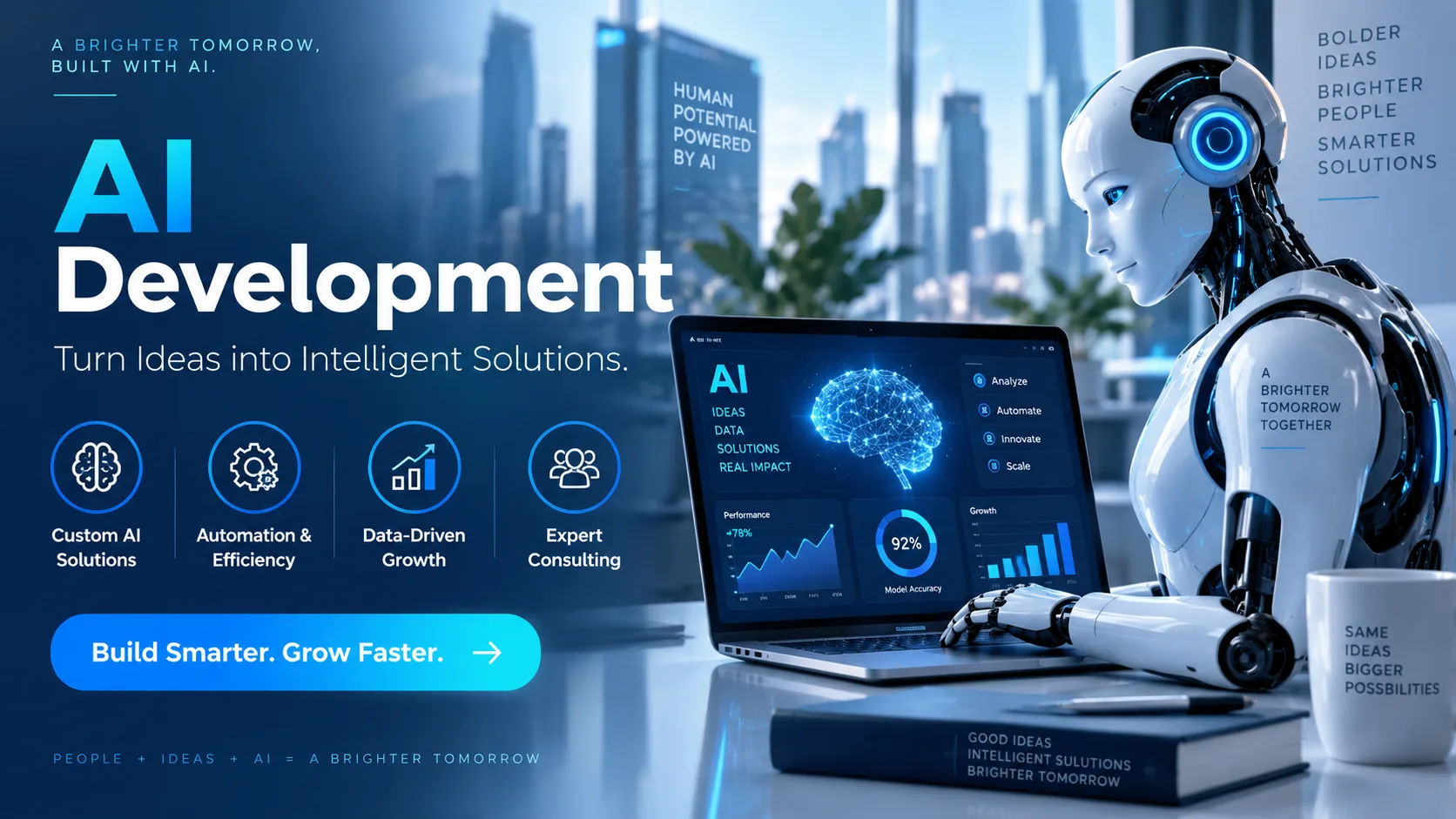
On-premise AI means that the software, models, databases, and supporting services operate on hardware controlled by the organization. Depending on the use case, this can provide greater control over data, network access, security policies, and system configuration.

However, running AI on-premise is not simply a matter of installing a model on a server. Organizations need suitable computing resources, storage, security controls, deployment expertise, and a plan for maintaining the system over time.

What Does On-Premise AI Mean?

On-premise AI refers to artificial intelligence software that operates on infrastructure owned or directly controlled by an organization rather than running entirely through a public cloud provider.

The infrastructure might be located in a company's own data center, a private server room, or a dedicated facility managed for the organization.

An on-premise AI environment can contain several components. These may include the AI model itself, application software, databases, APIs, monitoring tools, authentication systems, and data-processing pipelines.

For example, a manufacturing company could deploy an AI system on local servers to inspect production images and identify potential defects. The images could remain inside the company's network rather than being uploaded to an external service.

Similarly, a financial organization could operate an internal AI assistant that searches approved company documents while keeping sensitive files within its controlled environment.

Can Custom AI Development Run Completely On-Premise?

Yes. Custom ai development can be designed to run entirely on-premise when the organization has appropriate hardware and software infrastructure.

The exact requirements depend heavily on the AI application.

A relatively small machine-learning model may run comfortably on standard servers. A larger generative AI model, computer vision system, or complex deep-learning application may require powerful GPUs, substantial memory, fast storage, and carefully configured networking.

The important distinction is that not every AI workload requires the same infrastructure.

An internal document classification system might have modest requirements, while an organization attempting to operate a large language model locally could need considerably more computing capacity.

Which AI Applications Can Run On-Premise?

Many different AI workloads can operate in an on-premise environment.

Machine Learning

Traditional machine-learning applications are often suitable for on-premise deployment. Examples include fraud detection, demand forecasting, customer classification, predictive maintenance, and risk analysis.

Once a model has been trained, inference can often be performed on relatively manageable hardware, depending on the model's complexity and workload.

Computer Vision

Computer vision is another common use case.

Organizations can deploy systems that analyze photographs, video feeds, scans, or other visual information without necessarily sending those files to an external cloud service.

This can be useful in manufacturing, security, logistics, healthcare environments, and quality control.

Natural Language Processing

Natural-language systems can also be deployed locally.

An organization might operate an internal search engine, document classification system, summarization tool, or chatbot that processes company information within its own network.

The feasibility depends on the model size, response-time requirements, number of users, and available hardware.

Generative AI

Generative AI can also run on-premise, although infrastructure requirements can be significantly higher.

Organizations can deploy compatible open-weight language models and connect them to internal applications, databases, and document repositories.

The model does not necessarily need to be trained from scratch. In many cases, an organization can use an existing model and customize the surrounding system or adapt the model for a particular purpose.

Why Would a Business Choose On-Premise AI?

One of the biggest reasons is data control.

When sensitive information stays inside an organization's infrastructure, the company can establish its own policies around storage, access, retention, logging, and network communication.

This can be particularly important when AI applications handle confidential business records, proprietary research, customer information, financial data, or intellectual property.

Another reason is infrastructure control.

With an on-premise deployment, the organization has greater control over software versions, hardware configuration, network architecture, and system access.

There can also be operational advantages in environments where internet connectivity is limited or unreliable. An AI system that operates locally does not necessarily need constant communication with a remote service.

Security Considerations for On-Premise AI

On-premise deployment does not automatically make an AI system secure.

The organization becomes responsible for securing the infrastructure.

This includes operating-system updates, identity management, network segmentation, encryption, access controls, vulnerability management, backups, monitoring, and incident response.

AI-specific risks also need attention.

For example, unauthorized users should not automatically gain access to internal documents simply because an AI assistant can search them. Access permissions should be connected to the organization's existing identity and authorization systems.

Model endpoints should also be protected. If an AI service is exposed unnecessarily, attackers may attempt to abuse the system or access information through application vulnerabilities.

Hardware Requirements for On-Premise AI

Hardware is one of the most important factors in an on-premise deployment.

CPU-based systems can support many AI applications, particularly smaller models and conventional machine-learning workloads. However, neural-network workloads can benefit substantially from GPUs or other AI accelerators.

Memory is also important.

Large AI models can require significant amounts of RAM or GPU memory. Storage matters as well because organizations may need to store model files, datasets, embeddings, logs, application data, and backups.

Networking should not be overlooked.

If multiple servers are involved, fast communication between them can affect application performance. This becomes especially important when AI workloads are distributed across several machines.

Training Versus Running an AI Model

There is a major difference between training an AI model and running an existing model.

Training large models from scratch can require substantial computing resources, engineering expertise, time, and electricity. For many businesses, that approach is unnecessary.

Instead, organizations can often start with an existing model and customize the application around it.

This may involve fine-tuning, retrieval-augmented generation, prompt engineering, domain-specific data processing, or other techniques.

Running the trained or adapted model, known as inference, can require significantly fewer resources than training a large model from scratch.

That distinction can make an on-premise AI project much more practical.

How Custom AI Development Supports On-Premise Deployment

The development process should account for deployment requirements from the beginning.

A team building an AI application for cloud deployment may make assumptions about APIs, storage, authentication, scaling, and network connectivity that do not work well in a local environment.

With on-premise custom ai development, developers can design the architecture around the organization's existing infrastructure.

For example, the application can be connected to internal databases and authentication systems. Data-processing pipelines can be configured to keep information within designated network boundaries.

The AI system can also be designed to communicate only with approved internal services.

Can On-Premise AI Connect to Cloud Services?

Yes, an on-premise AI system does not necessarily have to be completely isolated.

Some organizations use hybrid architectures.

For instance, sensitive information might remain on-premise while certain non-sensitive workloads use cloud services. Another organization might keep its primary AI model locally while using external infrastructure for backups or selected computational tasks.

The important issue is understanding exactly what information leaves the internal environment.

A hybrid architecture should define which data can move between systems, how it is protected, who can authorize transfers, and how those transfers are monitored.

Maintenance Is a Major Responsibility

An on-premise AI system requires ongoing maintenance.

Models can become outdated. Dependencies can develop security vulnerabilities. Hardware can fail. Business requirements can change.

AI applications also need monitoring.

Teams should track performance, latency, resource consumption, error rates, model behavior, and unusual activity.

For generative AI systems, organizations may also need to evaluate response quality over time. A system that performs well during initial testing may produce less useful results after documents, business processes, or user requirements change.

Regular evaluation helps identify these problems before they become operational issues.

What Are the Challenges of On-Premise AI?

The first challenge is cost.

Buying servers, GPUs, storage, networking equipment, and supporting infrastructure can require substantial upfront investment.

There are also electricity, cooling, maintenance, replacement, and staffing costs.

Another challenge is technical expertise.

Operating an AI platform locally may require knowledge of machine learning, software engineering, infrastructure management, cybersecurity, and deployment automation.

Scalability can also be complicated.

Cloud environments can often add resources relatively quickly. With on-premise infrastructure, additional capacity may require purchasing and installing new hardware.

This does not mean on-premise AI cannot scale. It simply means capacity planning becomes an important part of the project.

When Does On-Premise AI Make Sense?

On-premise deployment can make sense when an organization has strong requirements around data control, internal infrastructure, network isolation, predictable workloads, or specialized processing.

It may also be attractive when a company already owns suitable computing infrastructure.

For example, a business with powerful internal servers may be able to deploy an AI application without building an entirely new environment.

However, organizations should evaluate the complete cost rather than focusing only on the purchase price of cloud services.

Hardware, software, employees, maintenance, electricity, security, and upgrades all contribute to the total cost of ownership.

How Should a Business Plan an On-Premise AI Project?

The process should begin with the business problem rather than the model.

First, determine what the AI system needs to accomplish.

Next, identify the data involved and classify its sensitivity. Understanding the data helps determine security, storage, and access requirements.

The organization should then estimate workload requirements. How many users will access the system? How quickly must responses be produced? How large are the models? How much data will be processed?

Infrastructure can then be selected around those requirements.

A pilot deployment is often useful before committing to a large hardware investment. A small implementation can reveal performance limitations, integration problems, and operational requirements.

The Role of APIs and Internal Systems

On-premise AI applications frequently need to communicate with existing business software.

For example, an internal AI assistant might need access to an enterprise database, document-management platform, customer relationship system, or internal knowledge base.

APIs provide a structured way for these systems to communicate.

Authentication and authorization should be implemented carefully so that the AI application receives only the access it actually needs.

This approach can make the AI system useful without turning it into an unrestricted gateway to internal information.

Is On-Premise AI Better Than Cloud AI?

There is no universal answer.

Cloud AI can provide flexible infrastructure, managed services, and easier access to large amounts of computing capacity.

On-premise AI provides greater direct control over infrastructure and data handling.

The appropriate architecture depends on the organization's requirements.

Some businesses may choose an entirely local deployment. Others may use a hybrid approach. Some may determine that cloud infrastructure better fits their workload.

The important question is not whether on-premise AI is inherently better, but whether its operational model matches the organization's technical, security, financial, and regulatory requirements.

Conclusion

Yes, custom ai development can run on-premise, including applications based on machine learning, computer vision, natural-language processing, and compatible generative AI models. The organization can keep models, applications, and sensitive data within infrastructure that it controls.

However, successful deployment requires more than installing an AI model on a local server. Hardware capacity, memory, storage, networking, security, authentication, monitoring, maintenance, and model management all need to be considered.

Businesses should also distinguish between training a model and running one. Training large models from scratch can be extremely demanding, while deploying an existing model and customizing it for a specific business purpose can be considerably more practical.

For organizations with strict data-control requirements or existing infrastructure, an on-premise architecture can provide a useful path for deploying AI while maintaining direct control over the environment. For others, cloud or hybrid infrastructure may fit better.

The strongest approach is to begin with the actual business requirement, assess the data and workload, estimate infrastructure needs, and test the proposed architecture before making a major investment. With careful planning, on-premise AI can become a practical part of an organization's technology environment rather than simply an alternative to cloud computing.