
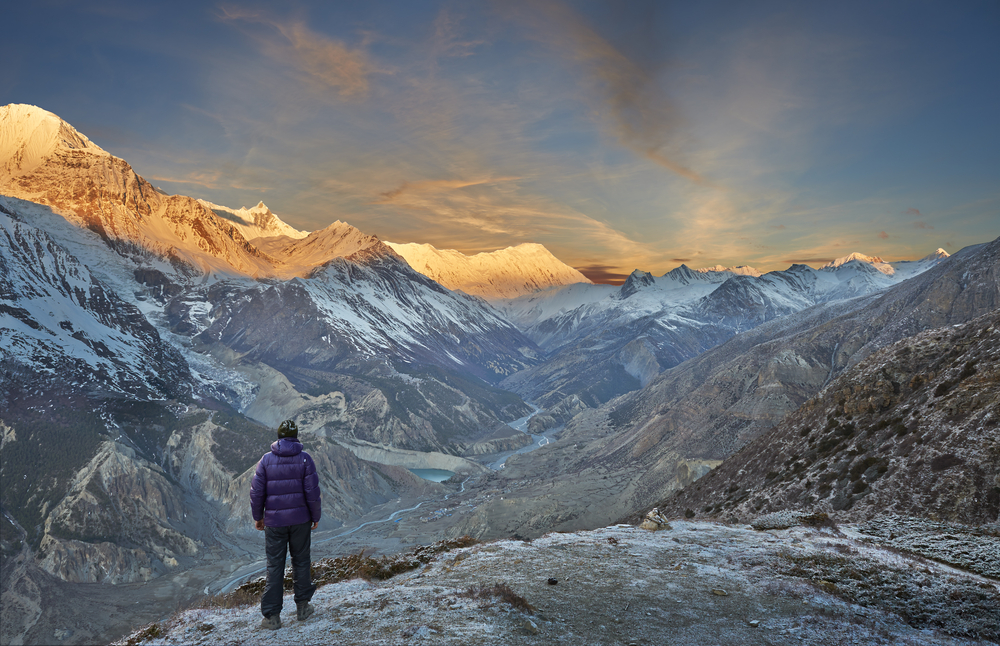
Trekking to Everest Base Camp is a trip of a lifetime, but it is also one of the most physically challenging trips a person can take. But the hike to Base Camp is not all beautiful views and cultural experiences: It is a high-altitude endurance test and demands serious preparation. Training your body correctly for the Everest Base Camp Trek is important to ensure you not only enjoy your once-in-a-lifetime experience but are safe and have a successful journey. A long day, a steep climb, and oxygen levels that are not what your body is used to can wear on even the experienced hiker if you are not in the right shape.
The right training for Everest Base Camp Trek: The first thing you’ll need is regular training to build your cardiovascular endurance. The hike itself spans 12 to 14 days, with up to 5 to 8 hours of walking a day. In other words, your heart and lungs must be prepared to act under pressure, especially the higher you climb. Exercises devoted to pure cardio (hiking, brisk walking, jogging, bike riding, and stair climbing) will up your endurance. You should ideally train four to five times a week for two to three months before your trek. Simulate real-life conditions by hiking outdoors with a loaded pack for true body conditioning that will benefit on the trail!
Leg and core strength are also essential ingredients. Strong legs are also important to manage the variety of terrain, the steep uphills and the long downhills that you’ll be tackling on the trail. Moves like lunges, squats, and step-ups challenge and improve your muscle endurance and balance, which can help keep you injury-free. Your core muscles — those muscles along the back and front of your torso — can support your posture and help you handle the weight of your pack more effectively. Add core strength workouts into your weekly routine to develop stability and mitigate against tiring.
Altitude is one of the Everest Base Camp trek’s biggest obstacles, and although you can’t entirely replicate the higher elevations at home, you can train to keep your body in better condition to deal with them. Training your lungs, though, through breath control exercises, can help improve your oxygen efficiency. Substitute walking to higher altitudes — preferably, any in your area (like the mountains for me). And, most importantly, by keeping a confident and consistent pace, your body slowly adapts to the increased altitude during your hike.
It’s important not to forget that flexibility and recovery are as well. Adding yoga or stretching into your schedule aids muscle recovery, and flexibility is crucial on uneven terrain. Rest days are as important as workout days, in the sense that they give your muscles the time needed to rebuild and protect from burnout before the trek even starts.
Everest Base Camp training is all about more than just being physically prepared — it’s also about being in the right headspace. Hours of tramping across the wilderness require concentration, patience, and perseverance. By generating discipline from consistent training, you are equipping yourself to deal with the ups and downs of life’s journeycycling fitness.
By deciding to sign up for a scheduled training programme that focuses on cardiovascular exercise, muscular strength, flexibility, and mental robustness, you can put yourself in the very best position to enjoy your walk to the foot of the highest mountain in the world safely and take home memories that will last a lifetime.
What are the best workouts to train for Everest Base Camp?
Getting your body ready for Everest Base Camp will involve a combination of cardio, strength, and flexibility exercises. The best way to simulate trekking, of course, is by hiking, especially on uneven ground with a fully loaded backpack. If you can’t hike outdoors, climbing up and down stairs (or using a stair machine) is another good workout, because it strengthens your legs and builds endurance. Squats, lunges, and step-ups target the muscles you’ll use on the trek, increasing your stability and reducing the risk of injury. Core workouts are important as well because they can help support your back and improve posture. And don’t overlook stretching and yoga as a way to keep flexible and facilitate recovery. The combination of these exercises creates a powerful, adaptable body that can handle the demands of high-altitude trekking.
What Duration Should I Train for in Order to Do the Everest Base Camp Trek?
As a rule of thumb, you want to start training at least 8 to 12 weeks before heading out on your trek. That provides time for your body to safely build stamina, strength, and aerobic capacity, without overloading it and risking injury. Beginners might take more time to get up to the minimum fitness level; those who are trained already may take less. Consistency is more important than intensity, so try to do regular sessions each week that combine cardio, strength, and flexibility work. If you wait too long or train irregularly, you risk becoming weary or uncomfortable on the trail, so it pays to train early. The idea is to build your body slowly, so that it can acclimate and be strong enough for the rigorous terrain and altitude.
Can I Train for Everest Base Camp if I Live at Sea Level?
Everest Base Camp Tour Sure, living at sea level makes adaptation to altitude more difficult, but you can train for that. You need to have a good cardio base with running, biking, or hiking with a weighted pack. If you can, spend time at elevation before the trek to acclimatize your body to thinner air. Breathing exercises and interval training can also increase lung capacity and oxygen efficiency. When hiking, pacing, and ensuring proper acclimatization are crucial. Thanks to smart training and altitude management, many people who live at sea level complete the Everest Base Camp each year.
How much would you say Cardiovascular Fitness is important for a trek?
Cardiovascular fitness is perhaps the most important aspect of Everest Base Camp Hike prep. Hiking at high altitudes is more demanding for your heart and lungs as you breathe in less oxygen. A well-conditioned cardiovascular system enhances your body’s ability to transport oxygen to your muscles, decrease fatigue, and minimize shortness of breath when taking on a steep ascent. Practice should consist of such activities as hiking, trekking, running, swimming, or even cycling, aimed at enhancing one’s stamina and aerobic potential. Another source to help with/ altitude acclimatization is better cardiovascular health.
Should I Lift for Strength or Endurance?
You need both strength and endurance workouts to have a successful trek to Everest Base Camp. Strength training will help you develop the muscle power you need for those steep ascents and descents, as well as for lugging a backpack. First, focus on endurance exercises such as long hikes, cycling, or running, but work in strength exercises for the legs, core, and back at least twice a week. When combined, these all work to drastically reduce the risk of injury, improve balance, and heighten overall performance when trekking. Keep in mind that a balanced training regimen can better prepare you than just one type of training.
How Do I Simulate Altitude Training at Home?
PREPARING for a high-altitude trek like Everest Base Camp can be challenging if you live in an area where mountains are scarce and elevation is low. However, though thin air can’t be fully simulated, there are ways to prepare your body. By performing breath control exercises like diaphragmatic breathing and intermittent hypoxic training, you can enhance your lung capacity and reinforce oxygen efficiency. High-intensity interval training (HIIT) can also produce conditions within your cardiovascular system that are similar to altitude stress. Wearing a mask that limits airflow might mimic lower blood oxygen levels during exercise, but whether that’s beneficial is in dispute. An alternative is to spend time in altitude simulation tents or chambers, but few trekkers have access to these devices. Whatever method you use, the most effective is deceptively simple: a combination of regular cardio and weightlifting plus proper acclimatization during the trek. If both races must literally and figuratively be won, mental discipline is needed to pace yourself and heed signs of altitude sickness. By doing so, you give your body and your mind time to adapt to the conditions of the trek, which will drastically minimize the chance of anything risky happening.
The Importance of Nutrition in Trek Prep. So, what does Nutrition have to do with preparing for a Trek?
Everest Base Camp Trek Itinerary Nutrition is the base for successful trekking, as well as your training. A balanced diet that includes plenty of carbohydrates helps you power through your workouts and increases your stamina by refilling glycogen stores in the muscles. Protein encourages muscle repair and recovery, and healthy fats will help support your energy levels. Hydration is just as important — good muscle function and altitude headaches are also helped by drinking enough. “There are two windows when it comes to our food: pre-workout, when easily digestible carbohydrate gives us the energy we need, and post-workout, when protein can help muscles recover,” she says. While trekking, it remains important for your body to receive the right kind of nutrient-dense food, as it requires more calories to function at altitude. You can also keep yourself “well fueled with vitamins and minerals like iron and magnesium” that help oxygen transport and muscle function, like leafy greens, nuts, and lean meats. Smartly planned food intake before and during the trek helps sustain energy, relieves fatigue, and further improves trek performance.
Why is mental preparation important for trekking to Everest Base Camp?
Everest Base Camp Trek Package Absolutely. Mental stamina isn’t necessarily glamorous, but it’s essential to Everest Base Camp. It challenges your body and your mind with long days, weather surprises, altitude effects, and physical discomfort. Mentally, you have to get to know what your ‘inner game’ is, set goals within your capabilities, and become less affected by these setbacks. Visualization exercises, in which you picture yourself mastering challenging sections, can enhance self-confidence. She stays cool under pressure and keeps a good attitudewhichat also helps deal with altitude sickness symptoms and fatigue. Hiking with supportive friends or guides also helps to bolster your mental will. Mentally prepares you, reduces stress, improves judgment, and increases your chances of having fun regardless of obstacles along the way. An approach that pairs physical training with mental preparation ensures you’re ready for the full spectrum of demands of the trek.
How Do You Prevent Injuries When Training and Trekking?
Injury Prevention: It’s important when preparing for and doing the trip to Everest Base Camp. Repetitive walking on slanted ground results in overuse injuries such as shin splints, knee pain, and plantar fasciitis. To minimize the risk, gradually build up your intensity and scope of training — don’t give your muscles and joints a shock by suddenly pushing them too hard. Support and preventing blisters are possible by wearing the right pair of properly fitted hiking boots. Add stretching and foam rolling to keep you limber and muscle-knot-free! Loading exercises with emphasis on hips, knees, and ankles increase joint stability. Listen to your body when trekking—if you are in a lot of pain, or if things just feel very hard, take a rest or slow down. Utilize trekking poles to relieve pressure on knees and for balance. Recovery and injury prevention are also helped by proper hydration and nutrition. By decoding your body’s messages a little sooner, you can help make your route a safer and more pleasant one.
What Gear Do I Train In If I Want To Make Training Hard Like The Conditions I Will Have On My Trek?
“The more you can train with similar gear that you’re going to carry on Everest Base Camp, the more you can acclimatize your body and the fewer surprises you will have on the trail.” Use a hiking backpack, full with the amount of weight you intend to carry on the trek – typically eight to twelve kilograms. This will give you strength in your shoulders, back, and core. Break in your hiking boots, and increase support by wearing the boots you plan on trekking in. Apparel that can be layered for different weather conditions prepares you for changing temperatures and avoids overheating or feeling too cool. You can use a trekking pole when you do some training, which can build your balance and reduce joint pain. Ideally, you want to be training on some rocky/ uneven terrain or stairs to mimic trail conditions. Hiking with weight gets your muscles and conditioning used to carrying weight in a manner that workouts without weight do not. This preparation will make sure that your gear fits well, is comfortable, and that you can move effectively when you make it to the Himalayas.
How do I Prepare Physically for the Everest Base Camp Trek?
Physically conditioning for htheEverest Base Camp trek is bulking up your stamina, strength, and flexibility before you get to the trailhead on day one. Concentrate on cardio exercises such as hiking, running, or biking for better stamina, as the trek will include many long days of walking at altitude. Strength training is also important; focus on the legs, core, and back muscles with squats, lunges, and planks to better support your backpack and manage uneven terrain. Flexibility workouts like yoga or stretching lessen your chance of injury and increase your mobility. Also, if it’s realistic, train by hiking with a loaded backpack to mimic trekking. Consistency is crucial, so have a training plan that gradually increases your base and volume over several months. Thinking about what your body needs in advance of diving foot-first into the trail helps fight fatigue and improve your trekking experience.
How Much Training Is Required for Everest Base Camp?
EBC Trekking Like many experts suggest, it’s best to begin anywhere between 8 to 12 weeks in advance of your trek to Everest Base Camp. This will give you plenty of time to build up your cardiovascular and muscular strength, and give your body time to get used to the demands of hiking before you set off on your journey. Aim to work out four to five times a week, incorporating longer hikes, cardio workouts, and strength exercises. If you are a beginner, start a little earlier to allow your body to adjust. It’s not how hard you work, it’s how consistently you work that will make you successful. And remember to have rest days to recover. This way you hit Base Camp as physically acclimatised to the tough trek and altitude as possible.
How Do You Train for Everest?
Training for Everest is a balance of aerobic conditioning, strength training, and altitude sensitivity. Running, swimming, or cycling, as these exercises are called, are cardiovascular exercises that improve your lung capacity and increase your overall endurance. Strength workouts specifically targeting the legs and core get you ready for the punishing terrain and toting your gear. If you have access to high-altitude conditions, training there can help your body acclimate to thinner air. Interval training and deep breathing exercises increase the effectiveness of your body’s oxygen use. And mental preparation comes into play as well, he said, since for an endurance event, mindset is as much a key as physical fitness. Consistent, balanced training that mimics trek conditions will help you get in top condition for the Everest adventure.
Level of Fitness Required to Climb Everest
Mount Everest Base Camp Tour Climb Everest – it is necessary to have a high physical fitness as there are extreme altitudes, very cold and technical objects to surpass. Unlike the EBC trek, summiting Everest will require you to possess climbing skills and exemplary levels of cardiovascular health, muscular strength, and endurance. Climbers typically train for months – sometimes years – undertaking specialised training including high-altitude climbs, technical rope work, and strength conditioning. Adequate lung capacity and the ability to acclimate are essential in avoiding altitude sickness. Solid fitness is required even for recreational trekkers to Base Camp; the more arduous summit attempts require elite athletes and mountaineers. Preparation tends to include professional coaching and acclimatization rotations on Everest.