
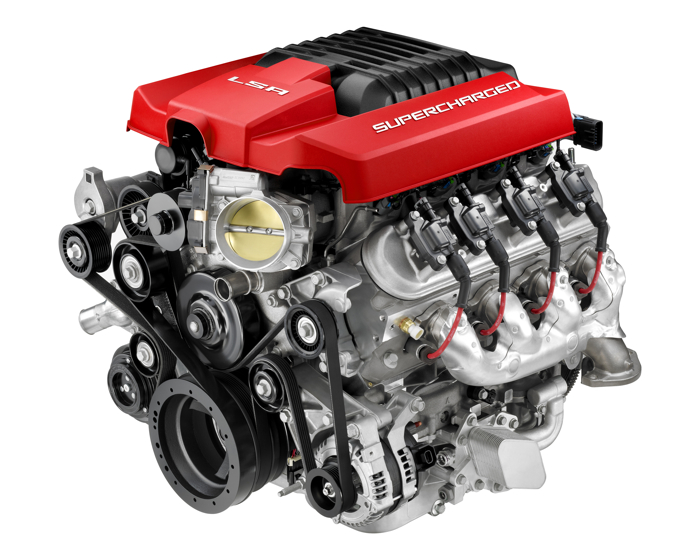
If you are searching for a used chevy Ls1 engine for sale, the best choice depends on more than price. You need to confirm the engine’s application, casting and identification details, condition, included components, and compatibility with your vehicle or project. The LS1 is a 5.7-liter, 346-cubic-inch Gen III small-block V8 that Chevrolet introduced in the 1997 Corvette. GM documentation for the 1998 Camaro lists the LS1 at 5.7 liters with an aluminum block and aluminum cylinder heads, while output varied by application.
For a replacement, restoration, street car, or engine-swap project, buying the correctly used LS1 can provide a practical foundation without automatically paying for a complete new performance engine. The key is knowing exactly what you are buying before you pay.
What Is the Chevy LS1 Engine?
The LS1 belongs to GM’s Gen III LS engine family. It uses a 5.7-liter displacement, overhead-valve architecture, sequential fuel injection, aluminum construction, and hydraulic roller lifters. In the 1998 Camaro, GM listed 305 horsepower for the F-body application and 345 horsepower for the Corvette application, demonstrating why application-specific specifications matter when comparing used engines.
The LS1 also became popular with enthusiasts because its compact design and aluminum construction made it useful for a wide range of performance and swap projects. Chevrolet Performance described the LS1 as the original LS engine that launched the LS performance family.
Common LS1 Applications
Depending on the year and configuration, LS1 engines were used in vehicles including:
- Chevrolet Corvette
- Chevrolet Camaro
- Pontiac Firebird
- Other GM performance applications and aftermarket swap projects
Do not assume that every 5.7-liter GM V8 is an LS1. Earlier engines such as the LT1 are different designs, and later LS-family engines can have different displacement, electronics, sensors, reluctor arrangements, heads, intake systems, and accessory configurations.
Why Buy a Used LS1?
A used LS1 can make sense when you want an authentic GM powerplant for a restoration or swap and do not need a brand-new crate engine.
Potential advantages include:
- Lower purchase cost than many new performance engines
- Availability of factory LS1 components
- Strong aftermarket support
- A proven 5.7-liter V8 platform
- Flexibility for stock or modified builds
- Access to complete donor engines with accessories and electronics
However, condition matters more than mileage alone. An engine with documented maintenance and a known running history can be more useful than a cheaper unit with an unknown background.
How to Choose the Right Used LS1 Engine
Before buying a used chevy Ls1 engine for sale, identify your project requirements first.
1. Confirm the Engine Application
Ask where the engine originally came from. Camaro and Corvette LS1 configurations were not necessarily identical. Factory specifications show differences in rated output between applications, so the donor vehicle can provide useful information when evaluating a replacement engine.
2. Verify the Engine Identification
Ask the seller for clear photographs of:
- Engine identification markings
- Block casting information
- Cylinder heads
- Intake manifold
- Front accessory drive
- Oil pan
- Throttle body
- Sensors and wiring, if included
Do not rely only on a listing title. Verify the engine itself.
3. Ask About Mileage and Operating History
Mileage is useful, but it should not be the only deciding factor. Ask whether the engine was removed from a running vehicle, whether it was compression-tested, and whether the seller has inspection or test information.
Useful questions include:
- Was the engine running before removal?
- Was it compression-tested?
- Are there oil-pressure readings?
- Has the engine been disassembled?
- Were any internal components replaced?
- How long has it been stored?
A transparent seller should be able to provide meaningful information rather than vague assurances.
What Should Be Inspected?
A used LS1 should be evaluated for both external and internal conditions.
| Area | What to Check |
| Block | Cracks, damage, corrosion and previous repairs |
| Cylinder heads | Damage, cracks, condition of valve-train components |
| Crankshaft | Evidence of damage or excessive wear |
| Cylinders | Scoring, corrosion and abnormal wear |
| Oil system | Sludge, contamination or metal particles |
| Intake | Damage and included components |
| Wiring | Cut, damaged or missing connectors |
| Accessories | Alternator, starter, brackets and other included parts |
If the engine is accessible before purchase, a compression test and leak-down test can provide more useful information than visual inspection alone.
Complete Engine vs. Long Block
One of the biggest buying mistakes is assuming every used LS1 listing includes the same parts.
A long block generally refers to the major internal engine assembly, while a more complete engine may include components such as the intake, throttle body, injectors, accessories, sensors, wiring, exhaust components, or engine control hardware.
Always ask the seller for a written list of what is included.
For a swap, buying a more complete package may reduce the number of additional components you need. For a rebuild, a bare or partially complete engine may be more appropriate.
LS1 Compatibility for Engine Swaps
An LS1 can be an attractive swap candidate, but compatibility involves more than physically fitting the engine into the engine bay.
Check:
- Engine mounts
- Transmission compatibility
- Oil-pan clearance
- Accessory clearance
- Wiring harness
- ECU/PCM requirements
- Fuel system
- Cooling system
- Exhaust routing
- Driveshaft
- Throttle system
- Emissions requirements
The intended transmission is especially important. Flexplate, flywheel, clutch, starter, and transmission-interface details should be verified before purchasing parts.
What About LS1 Performance Potential?
The standard LS1 already provides a useful performance foundation, but the final output of a modified engine depends on its components and calibration.
Possible upgrades include:
- Camshaft and valve-train improvements
- Intake and exhaust upgrades
- Cylinder-head work
- Fuel-system changes
- Engine-management tuning
- Higher-performance rotating components
The right modification strategy depends on whether the vehicle is intended for street driving, drag racing, road racing, autocross, or another application. Do not assume that a stock used engine automatically has the internal components required for a high-output build.
Where to Find a Used LS1 Engine
When searching online, compare specialized engine sellers, salvage sources, automotive recyclers, and marketplaces. A reputable source should clearly describe the donor vehicle, engine condition, mileage when available, included components, and applicable warranty.
For buyers using US Car Parts Locator, the goal should be to compare available engines based on fitment and condition rather than simply choosing the lowest advertised price.
Is the LS1 a 5.7-liter engine?
Yes. The LS1 has a 5.7-liter displacement, equivalent to 346 cubic inches.
Which vehicles used the LS1?
The LS1 was used in applications including the Chevrolet Corvette, Camaro, and Pontiac Firebird.
Is every 5.7L Chevy V8 an LS1?
No. GM produced several different 5.7-liter V8 designs. Engine identification is essential.
Can an LS1 be used for an engine swap?
Yes, but successful installation requires checking mounts, transmission, electronics, oil-pan clearance, fuel delivery, cooling, and exhaust compatibility.
Should I buy a complete LS1 or long block?
It depends on your project. A complete engine can reduce parts sourcing, while a long block may work well for a rebuild or custom configuration.
Does LS1 horsepower vary by application?
Yes. GM’s published Camaro and Corvette specifications show different rated outputs for LS1 applications.
FAQs
How much does a used LS1 engine cost?
Pricing varies according to mileage, condition, completeness, donor vehicle, included components, and seller warranty. Compare the complete package rather than the advertised engine price alone.
Is mileage important when buying a used LS1?
Yes, but mileage should be considered alongside test results, maintenance history, storage conditions, and overall engine condition.
What should come with a complete LS1?
Depending on the seller, it may include the intake, throttle body, injectors, accessories, sensors, wiring, or other components. Confirm the exact contents before purchasing.
Can I use an LS1 with a manual transmission?
An LS1 can be paired with compatible manual transmissions, but flywheel, clutch, starter, transmission, electronics, and installation requirements must be matched to the specific application.
Is an LS1 good for a project car?
It can be a practical foundation for many street and performance builds because of its compact V8 layout and broad aftermarket ecosystem.
Should I rebuild a used LS1 before installing it?
Not necessarily. If testing and inspection show good condition, a used engine may be suitable for installation. A rebuild becomes more appropriate when wear, damage, or uncertain history justifies it.