
Drug and alcohol outpatient treatment is an essential option for individuals seeking recovery without the need for full-time hospitalization. Outpatient programs offer flexibility, allowing patients to maintain work, school, and family responsibilities while receiving care.
Understanding the different levels of outpatient treatment can help individuals and their families choose the most effective path toward recovery.
In this guide, we will explore the types of outpatient treatment, how they differ, and what patients can expect from each level.
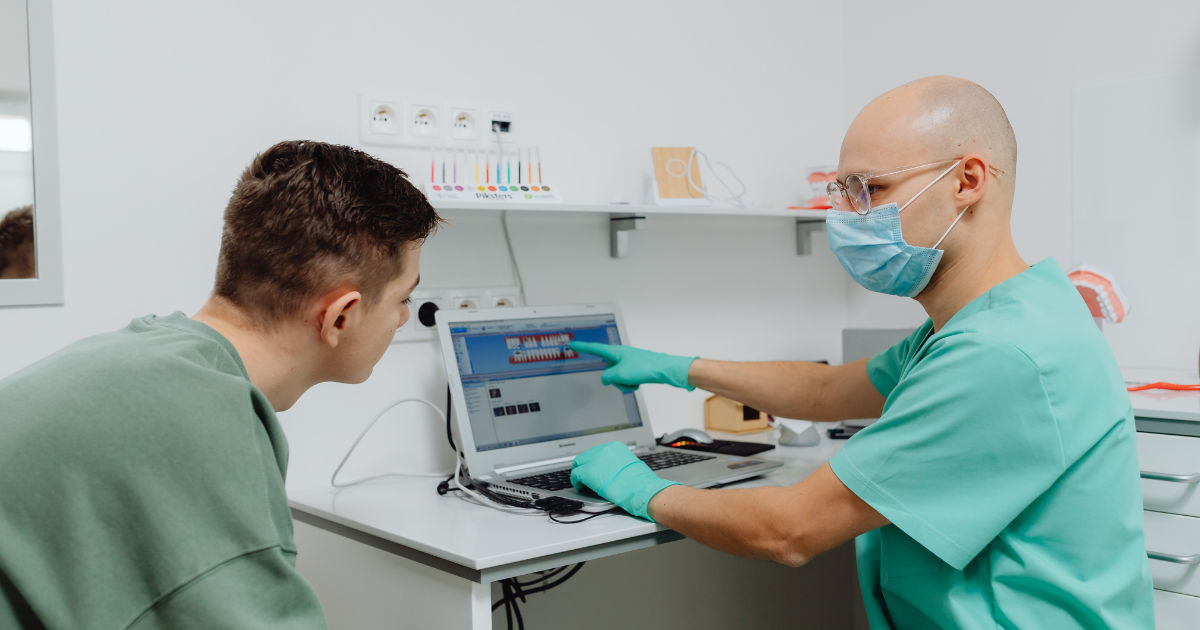
Outpatient treatment focuses on helping individuals manage addiction in a structured yet flexible environment. Unlike inpatient treatment, patients do not live at the facility. Instead, they attend scheduled sessions and receive support while continuing their daily lives.
Drug and alcohol outpatient treatment provides a wide range of services, from counseling and therapy to medical monitoring and support groups.
What Is Outpatient Treatment?
Outpatient treatment is a method of care where individuals attend therapy sessions, counseling, and other services without residing in a facility. This approach is suitable for people whose addiction is not life-threatening or who have already completed detoxification in a medical setting. Drug and alcohol outpatient treatment emphasizes education, therapy, and behavioral support to help patients achieve and maintain sobriety.
The main goal of outpatient treatment is to offer structured care while allowing individuals to live at home. This flexibility makes it easier for patients to integrate recovery into their daily lives. Outpatient programs vary in intensity, duration, and frequency, depending on the patient’s needs. Understanding these levels is crucial to selecting the most effective treatment plan.
Benefits of Outpatient Treatment
Outpatient treatment offers several advantages over inpatient care. First, it allows patients to maintain daily routines such as work, school, or family obligations. Second, outpatient programs are often more affordable than inpatient treatment. Third, patients receive personalized care tailored to their unique challenges.
Drug and alcohol outpatient treatment helps individuals develop coping strategies, relapse prevention skills, and emotional support networks. Therapy sessions focus on addressing the root causes of addiction while building resilience. Additionally, outpatient care can serve as a step-down option after intensive inpatient treatment, providing ongoing support during the transition to everyday life.
Levels of Outpatient Treatment
Outpatient treatment is not a one-size-fits-all approach. It is divided into different levels based on the intensity of care needed. These levels help clinicians provide the appropriate level of support while encouraging independence. The primary levels of outpatient treatment include:
1. Standard Outpatient Programs (SOP)
Standard outpatient programs are the most flexible level of care. They typically involve one to three sessions per week, each lasting between 60 to 90 minutes. SOPs are ideal for individuals with mild to moderate addiction who can maintain daily responsibilities while attending treatment.
Sessions often include individual counseling, group therapy, and educational programs. These programs focus on teaching patients coping skills, relapse prevention techniques, and strategies to manage triggers. Drug and alcohol outpatient treatment at this level is suitable for people with strong support systems and a relatively stable home environment.
2. Intensive Outpatient Programs (IOP)
Intensive outpatient programs (IOP) provide more structured care than standard programs. Patients typically attend therapy sessions three to five days per week, with each session lasting three to four hours. IOPs are designed for individuals with moderate addiction or those who have recently completed inpatient treatment.
IOPs offer a combination of individual therapy, group counseling, family therapy, and educational workshops. Drug and alcohol outpatient treatment at this level emphasizes developing long-term recovery skills and addressing underlying mental health issues. The structured nature of IOPs allows patients to focus on recovery while still living at home.
3. Partial Hospitalization Programs (PHP)
Partial hospitalization programs (PHP) are the most intensive form of outpatient treatment. Patients attend sessions five to seven days per week, usually for six to eight hours a day. PHPs are suitable for individuals with severe addiction or those transitioning from inpatient care.
PHPs provide a comprehensive approach, including medical monitoring, individual and group therapy, educational sessions, and support groups. Drug and alcohol outpatient treatment at this level ensures that patients receive continuous care while gradually reintegrating into daily life. PHPs help prevent relapse by offering intensive support and monitoring.
Components of Outpatient Treatment
Outpatient treatment involves multiple components designed to support recovery. Each level of care may offer different services depending on the program’s intensity. Common components include:
Counseling and Therapy
Individual counseling allows patients to explore the root causes of addiction and develop coping strategies. Group therapy offers peer support and a sense of community, helping individuals feel less isolated in their recovery journey. Family therapy can improve communication and strengthen relationships, creating a supportive home environment.
Medical and Psychiatric Support
Some outpatient programs provide medical supervision, including medication management for addiction or co-occurring mental health disorders. Drug and alcohol outpatient treatment often integrates psychiatric care to address conditions such as anxiety, depression, or bipolar disorder, which can affect recovery.
Educational Programs
Educational programs teach patients about addiction, relapse prevention, and healthy lifestyle choices. Learning about the science of addiction helps individuals understand their behavior and develop strategies to maintain sobriety.
Support Groups
Peer support groups, such as 12-step programs, are often incorporated into outpatient treatment. These groups provide encouragement, accountability, and a network of individuals who share similar experiences. Participation in support groups has been shown to improve long-term recovery outcomes.
Relapse Prevention Planning
Relapse prevention is a critical aspect of outpatient care. Patients learn to identify triggers, manage stress, and develop coping mechanisms. Drug and alcohol outpatient treatment programs emphasize creating a personalized plan to prevent relapse and maintain long-term sobriety.
Choosing the Right Level of Outpatient Care
Selecting the appropriate level of outpatient treatment depends on several factors, including the severity of addiction, co-occurring mental health conditions, and the patient’s support system. A thorough assessment by a licensed clinician is essential to determine the best course of action.
Individuals with mild addiction may benefit from standard outpatient programs, while those with moderate to severe addiction may require intensive outpatient programs or partial hospitalization. Drug and alcohol outpatient treatment professionals consider medical history, substance use patterns, and personal goals when recommending a level of care.
Signs You May Need Intensive Outpatient Care
Certain signs indicate that a higher level of outpatient care may be necessary. These include:
-
Difficulty maintaining sobriety despite previous attempts
-
Frequent relapse or cravings
-
Co-occurring mental health disorders
-
Limited support system at home
-
Severe social or occupational impairment
If any of these signs are present, intensive outpatient programs or partial hospitalization may provide the structure and support needed for successful recovery.
Structure of a Typical Outpatient Program
Outpatient programs are structured to provide a balance of therapy, education, and support. A typical day in an intensive outpatient program might include:
-
Morning group therapy session
-
Individual counseling
-
Educational workshop on addiction
-
Lunch and social support activities
-
Afternoon group therapy session
Standard outpatient programs usually have fewer sessions and focus on individual therapy, group discussions, and educational seminars. Partial hospitalization programs have a schedule similar to inpatient treatment but allow patients to return home each evening.
The Role of Family in Outpatient Treatment
Family involvement is a crucial component of outpatient recovery. Families can provide emotional support, monitor progress, and encourage participation in therapy. Drug and alcohol outpatient treatment programs often include family counseling to improve communication and resolve conflicts that may contribute to addiction.
Supportive families can help patients adhere to treatment plans, recognize early signs of relapse, and maintain a stable home environment. Educating family members about addiction and recovery increases the likelihood of long-term success.
Advantages of Outpatient Treatment Over Inpatient Care
Outpatient treatment offers several advantages compared to inpatient programs:
-
Flexibility to maintain work, school, or family responsibilities
-
Lower cost than residential treatment
-
Ability to apply recovery skills in real-life situations
-
Access to a wide range of therapy and support services
-
Step-down option after intensive inpatient care
Drug and alcohol outpatient treatment provides the structure necessary for recovery while allowing patients to remain in their communities. This balance helps individuals develop independence while receiving professional support.
Challenges of Outpatient Treatment
While outpatient treatment offers many benefits, it also comes with challenges. Patients must resist temptations and triggers in their daily environments. Maintaining motivation and adhering to the treatment schedule can be difficult without a strong support system. Additionally, individuals with severe addiction may require more intensive care than standard outpatient programs provide.
Programs address these challenges by offering structured schedules, therapy, and support groups. Drug and alcohol outpatient treatment professionals work closely with patients to create strategies for overcoming obstacles and maintaining sobriety.
Integrating Outpatient Treatment With Other Services
Outpatient treatment can be combined with other services to enhance recovery. For example, patients may participate in community support programs, vocational training, or holistic therapies such as yoga and meditation. Integration of multiple services addresses physical, emotional, and social aspects of addiction.
Medication-assisted treatment (MAT) is often used alongside outpatient therapy for individuals with opioid, alcohol, or nicotine addiction. MAT helps manage withdrawal symptoms, reduce cravings, and support long-term recovery. Combining medication with behavioral therapy has been shown to improve outcomes significantly.
How to Prepare for Outpatient Treatment
Preparing for outpatient treatment involves several steps:
-
Assessment: Undergo a professional evaluation to determine the severity of addiction.
-
Detoxification: Complete detox if necessary, either inpatient or supervised at home.
-
Setting Goals: Establish clear recovery goals and expectations.
-
Support System: Ensure family, friends, or peers are involved in the recovery process.
-
Scheduling: Arrange work, school, and home responsibilities around treatment sessions.
Preparation helps patients maximize the benefits of drug and alcohol outpatient treatment and reduces the risk of relapse.
Success Rates of Outpatient Treatment
Success rates for outpatient treatment vary based on program intensity, patient commitment, and support systems. Studies show that patients who participate in intensive outpatient programs or partial hospitalization have higher recovery rates than those in standard programs alone. Family involvement, therapy adherence, and participation in support groups also contribute to better outcomes.
Drug and alcohol outpatient treatment programs that provide comprehensive care, including medical support and counseling, show significant improvements in long-term sobriety and quality of life.
Conclusion
Outpatient treatment is a flexible and effective option for individuals seeking recovery from addiction. Understanding the levels of outpatient care—standard outpatient programs, intensive outpatient programs, and partial hospitalization—is crucial for selecting the right approach. Drug and alcohol outpatient treatment provides the structure, support, and education needed to achieve long-term sobriety while allowing patients to maintain their daily responsibilities.
With personalized care, therapy, family involvement, and ongoing support, outpatient treatment can be a powerful step toward recovery. Choosing the appropriate level of care, adhering to the treatment plan, and building a strong support system significantly increase the chances of lasting success.
Drug and alcohol outpatient treatment is more than a temporary solution—it is a path toward a healthier, balanced life where individuals regain control over their future. Whether starting recovery or transitioning from inpatient care, outpatient programs provide the tools, structure, and support necessary for sustainable change.