
When it comes to pakistani bridal dresses, fabric choice is just as important as design, color, and embellishment style. Heavy embellishment like zari, dabka, kora, sequins, pearls, beads, stones, and resham embroidery can transform a simple outfit into a masterpiece.
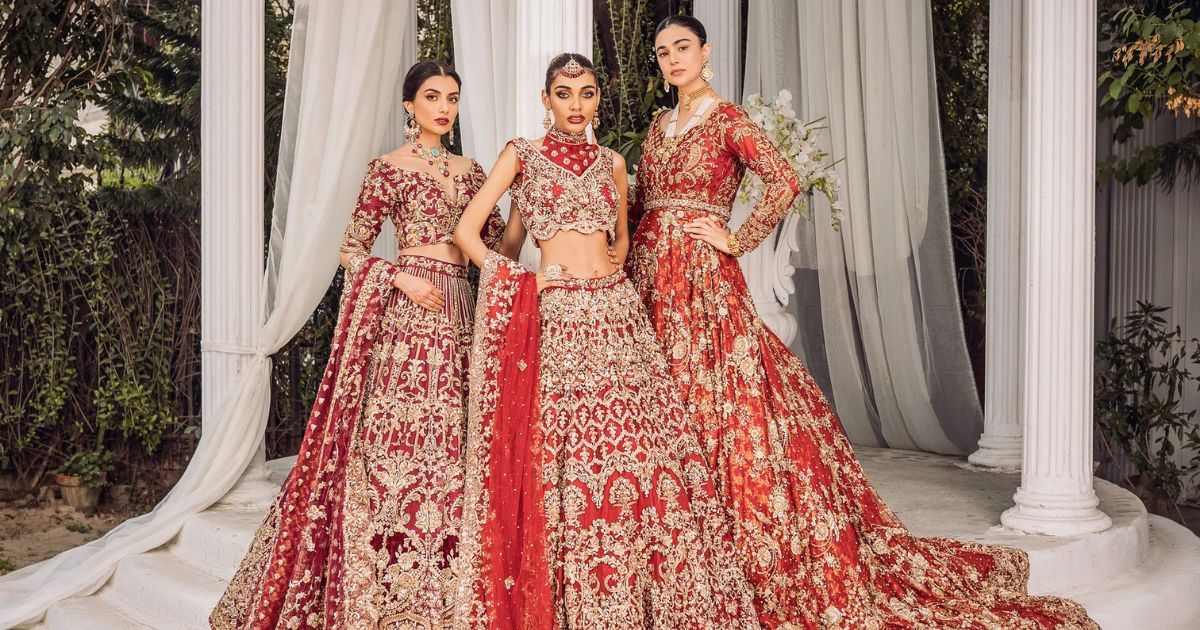
However, not every fabric can carry this weight and detail gracefully. Choosing the wrong fabric may result in sagging, tearing, discomfort, or a dull overall look.
In pakistani bridal dresses, embellishment is not just decoration; it is tradition, craftsmanship, and luxury combined. From classic red lehengas to pastel bridal gowns, the foundation fabric plays a vital role in how well the embellishment sits, shines, and lasts. This comprehensive guide explains which fabrics work best for heavy embellishment, why they are suitable, and how they are commonly used in pakistani bridal dresses.
Why Fabric Choice Matters for Heavy Embellishment
Heavy embellishment adds beauty but also adds weight. In pakistani bridal dresses, bridal outfits are often worn for long hours during weddings, receptions, and valima events. The fabric must be strong, structured, and comfortable enough to support dense handwork without losing shape.
A suitable fabric ensures that embroidery remains secure, patterns stay aligned, and the dress drapes elegantly. Poor fabric choices may lead to cracked embroidery threads, fabric stretching, or uneven fall. For this reason, designers of pakistani bridal dresses carefully select fabrics that balance strength and elegance.
Characteristics of Fabrics Suitable for Heavy Embellishment
Strong Weave and Durability
Fabrics used in pakistani bridal dresses must have a tight weave. This allows needles to pass through repeatedly without damaging the fabric. A strong weave also prevents tearing under the weight of embellishments.
Structure and Body
Heavy embroidery needs a fabric with body. Soft or flimsy fabrics may collapse under the weight of embellishment. Structured fabrics help maintain the silhouette of pakistani bridal dresses.
Surface Texture
Smooth surfaces allow embellishments to shine clearly, while textured fabrics can add depth. Designers select textures based on the design concept of pakistani bridal dresses.
Silk Fabrics for Heavy Embellishment
Raw Silk
Raw silk is one of the most popular fabrics for pakistani bridal dresses. It has a slightly coarse texture and excellent strength, making it ideal for heavy zari and stone work.
Raw silk holds embroidery well and gives a rich, traditional look. It is commonly used in bridal lehengas, shararas, and long shirts. Its natural stiffness supports heavy embellishment without sagging.
Jamawar Silk
Jamawar silk is a luxurious fabric often seen in royal-style pakistani bridal dresses. It already has woven patterns, which enhance the beauty of embellishment.
This fabric is thick and durable, making it perfect for dense embroidery. Jamawar silk is frequently used in bridal lehengas and dupattas for winter weddings.
Katan Silk
Katan silk is smooth, glossy, and strong. It is widely used in high-end pakistani bridal dresses for its elegant finish.
Because of its tightly woven structure, katan silk supports intricate hand embroidery and beadwork. It adds sophistication and works beautifully for both traditional and modern bridal designs.Velvet as a Bridal Fabric
Why Velvet Works Well
Velvet is a classic choice for winter pakistani bridal dresses. Its thick pile and rich appearance make embellishment stand out dramatically.
The fabric’s weight naturally supports heavy embroidery, and metallic embellishments contrast beautifully against velvet’s deep tones.
Types of Velvet Used
Plain velvet is commonly used for bridal lehengas and long shirts. Crushed velvet is also used but requires careful handling as heavy embellishment can flatten its texture.
Velvet-based pakistani bridal dresses are often chosen for receptions or barat events.
Net Fabric and Heavy Embellishment
Bridal Net
Net is delicate but widely used in pakistani bridal dresses when layered correctly. On its own, net cannot support heavy embellishment, but when backed with raw silk or organza, it becomes suitable.
Net allows embellishment to appear floating, creating a dreamy and elegant bridal look.
Double and Triple Layering
Designers often use multiple layers of net to strengthen it. This technique allows heavy embroidery without compromising the softness of pakistani bridal dresses.
Organza for Structured Elegance
Organza is a crisp, sheer fabric commonly used in pakistani bridal dresses. It has enough stiffness to hold embellishment while remaining lightweight.
Heavy embroidery on organza creates a luxurious appearance without making the outfit overly heavy. It is often used in dupattas, sleeves, and overlays.
Chiffon and Its Limitations
Chiffon is lightweight and flowy, making it a popular choice for dupattas in pakistani bridal dresses. However, it is not ideal for heavy embellishment on its own.
When used with light to moderate embroidery, chiffon looks graceful. For heavier work, it must be reinforced or layered with stronger fabrics.
Cotton and Blended Fabrics
Cotton Silk Blends
Pure cotton is rarely used for heavily embellished pakistani bridal dresses. However, cotton-silk blends offer strength and comfort.
These blends can support moderate embellishment and are sometimes used for daytime bridal events.
Tissue Blends
Tissue fabrics mixed with silk are also popular in pakistani bridal dresses. They provide shine and strength, making them suitable for heavy embroidery.
Brocade and Banarsi Fabrics
Brocade and banarsi fabrics are traditional favorites in pakistani bridal dresses. These fabrics feature woven patterns that already give a decorative base.
Their thickness and durability make them excellent for heavy embellishment. Banarsi lehengas are especially popular for brides who want a regal look.
Leather and Unconventional Fabrics
While rare, some modern pakistani bridal dresses experiment with unconventional fabrics like faux leather or metallic textiles.
These fabrics can support embellishment but require expert craftsmanship. They are usually reserved for contemporary bridal fashion.
Matching Fabric with Embellishment Type
Zari and Dabka Work
Zari and dabka are heavy and metallic. Fabrics like raw silk, velvet, and jamawar are ideal for such work in pakistani bridal dresses.
Beads and Sequins
Beads and sequins require tightly woven fabrics to prevent tearing. Katan silk and organza are popular choices.
Thread Embroidery
Resham embroidery works well on most fabrics, including chiffon and net, when layered properly in pakistani bridal dresses.
Comfort and Wearability
Heavy embellishment can make pakistani bridal dresses heavy and uncomfortable. Choosing breathable fabrics helps reduce discomfort.
Silk blends and natural fibers allow better air circulation, making them more suitable for long wedding events.
Seasonal Considerations
Summer Weddings
For summer pakistani bridal dresses, lighter fabrics like organza, net, and silk blends are preferred, even with heavy embellishment.
Winter Weddings
Velvet, jamawar, and brocade are ideal for winter pakistani bridal dresses due to their warmth and structure.
Fabric Care and Longevity
High-quality fabrics ensure that pakistani bridal dresses last for years. Brides often preserve their dresses as heirlooms.
Strong fabrics prevent embellishment from loosening over time. Proper fabric selection reduces the risk of damage during wear and storage.
Designer Preferences in Pakistan
Top designers choose fabrics based on embellishment complexity. In couture pakistani bridal dresses, raw silk, velvet, and organza dominate because they showcase craftsmanship best.
Designers also consider the bride’s body type and comfort when selecting fabric.
Budget and Fabric Choice
Luxury fabrics increase the cost of pakistani bridal dresses, but they also improve durability and appearance.
Budget-friendly options include silk blends and layered net, which still support embellishment when used wisely.
Customization and Fabric Testing
Before finalizing pakistani bridal dresses, designers often test embroidery samples on fabric swatches.
This ensures that the fabric can handle the weight and design without issues.Sustainability and Fabric Selection
Modern brides are becoming conscious of sustainability. Natural fabrics like silk and cotton blends are preferred in eco-friendly pakistani bridal dresses.
Sustainable fabrics also tend to age better, preserving the beauty of embellishment.
Final Thoughts on Fabric Selection
Choosing the right fabric is the foundation of beautifully embellished pakistani bridal dresses. No matter how intricate the design, the wrong fabric can ruin the overall look and comfort.
By understanding fabric strength, texture, and suitability, brides can make informed decisions that result in stunning, long-lasting outfits.
Conclusion
Heavy embellishment defines the elegance and grandeur of pakistani bridal dresses, but its success depends largely on fabric choice. Fabrics like raw silk, velvet, jamawar, katan silk, organza, and banarsi provide the strength and structure needed to support detailed handwork.
Each fabric brings its own beauty, texture, and functionality, allowing designers to create bridal outfits that are both luxurious and wearable.
When chosen carefully, the right fabric enhances embellishment, maintains shape, ensures comfort, and preserves the dress for years to come.
For brides investing in pakistani bridal dresses, understanding fabric suitability is essential. A well-chosen fabric does not just carry embellishment; it elevates the entire bridal look, turning tradition into timeless art.