
A Packaging Machine plays a crucial role in modern manufacturing, and a Packaging Machine designed in a horizontal format is one of the most widely used systems in industries today.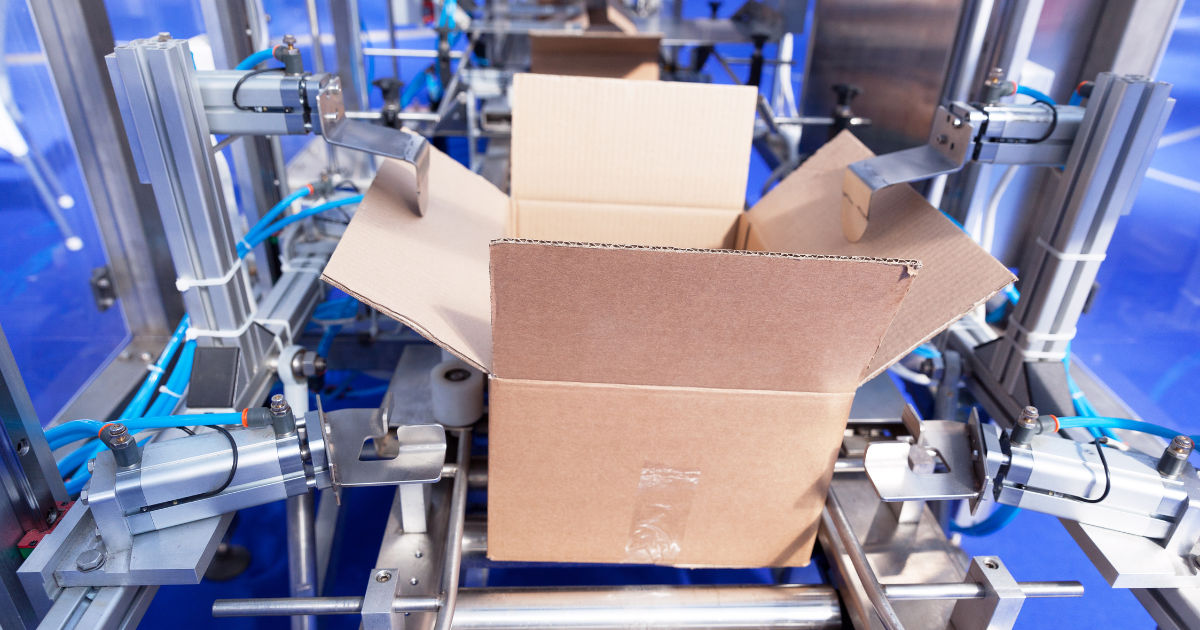
A Packaging Machine of this type is built to wrap, seal, and pack products while they move horizontally through the production line. This makes a Packaging Machine highly efficient for items that require gentle handling and continuous flow packaging.
In this guide, we will explore what a horizontal system is, how it works, its components, advantages, industrial uses, and why businesses rely heavily on a Packaging Machine for speed, safety, and consistency.
A Horizontal Packaging Machine
A horizontal system is a type of Packaging Machine where products are fed into the machine from one end and move horizontally through different stages such as forming, filling, sealing, and cutting. This type of Packaging Machine is commonly used for solid items like biscuits, chocolate bars, medical kits, hardware tools, and frozen foods.
Unlike vertical systems, a horizontal Packaging Machine is designed for products that need to maintain their shape and orientation during packing. This makes the Packaging Machine ideal for fragile or pre-formed goods.
A key advantage of a horizontal Packaging Machine is its ability to handle continuous production without frequent stops, increasing efficiency in large-scale industries.
How a Horizontal Packaging Machine Works
To understand the value of a Packaging Machine, it is important to break down its working process step by step.
Product Feeding System
The process begins when products are placed onto a conveyor or feeding belt. In a horizontal Packaging Machine, the feeding system ensures products are spaced evenly to avoid jamming or misalignment. This stage is critical for maintaining the smooth operation of the Packaging Machine.
Film Unwinding Section
Next, packaging film is pulled from a roll. A horizontal Packaging Machine uses rollers to guide and control the film tension. This ensures the material is properly aligned before wrapping products. A well-adjusted Packaging Machine reduces waste and improves packaging quality.
Forming the Package
In this stage, the flat film is shaped into a tube around the product. A Packaging Machine uses forming boxes or collars to create this structure. This transformation is essential because it prepares the packaging for sealing.
Sealing Process
Heat or pressure is applied to seal the film around the product. A horizontal Packaging Machine ensures tight and secure sealing to protect goods from air, moisture, and contamination. Proper sealing is one of the most important functions of any Packaging Machine.
Cutting and Discharge
Once sealed, the Packaging Machine cuts the packaging into individual units. The finished products are then discharged onto a conveyor for boxing or shipping. This final stage ensures that the Packaging Machine delivers ready-to-sell products.
Key Components of a Horizontal Packaging Machine
A Packaging Machine is made up of several important components that work together to ensure smooth operation.
Conveyor System
The conveyor is responsible for moving products through the Packaging Machine. It ensures consistent speed and spacing.
Control Panel
The control system allows operators to adjust settings like speed, temperature, and sealing pressure in the Packaging Machine.
Film Roll Holder
This part holds the packaging material and feeds it into the Packaging Machine smoothly.
Forming Unit
The forming section shapes the film around products in the Packaging Machine process.
Sealing Jaws
These heated components seal the packaging securely, ensuring product safety in the Packaging Machine.
Cutting Mechanism
This part separates individual packages after sealing in the Packaging Machine.
Types of Horizontal Packaging Machines
Different industries use different types of Packaging Machine systems depending on their needs.
Flow Wrap Packaging Machine
A flow wrap Packaging Machine is commonly used for bakery products, chocolates, and snacks. It wraps products in a continuous film and seals them tightly.
Pouch Packaging Machine
This type of Packaging Machine creates flexible pouches used for powders, liquids, and small items.
Vacuum Horizontal Packaging Machine
A vacuum Packaging Machine removes air before sealing, making it ideal for food preservation.
High-Speed Automatic Packaging Machine
A high-speed Packaging Machine is designed for mass production environments where speed and efficiency are critical.
Advantages of Using a Horizontal Packaging Machine
A modern Packaging Machine offers many advantages to manufacturers across industries.
High Efficiency
A Packaging Machine significantly increases production speed, allowing companies to package thousands of units per hour.
Consistency in Packaging
Each product packaged by a Packaging Machine looks identical, ensuring brand consistency.
Reduced Labor Costs
Automation in a Packaging Machine reduces the need for manual labor.
Better Product Protection
A sealed Packaging Machine package protects items from dust, moisture, and contamination.
Versatility
A Packaging Machine can handle a wide variety of products, from food to industrial parts.
Industrial Applications of Horizontal Packaging Machines
The use of a Packaging Machine spans multiple industries.
Food Industry
In the food industry, a Packaging Machine is used for snacks, biscuits, frozen foods, and confectionery items.
Pharmaceutical Industry
Medicines and medical tools are safely packaged using a Packaging Machine to ensure hygiene and safety.
Electronics Industry
Small electronic components are protected using a Packaging Machine to prevent damage.
Consumer Goods
Everyday products like soaps, stationery, and cosmetics are packed using a Packaging Machine.
Importance of Automation in Packaging Machines
Automation has transformed the modern Packaging Machine industry. A fully automated Packaging Machine reduces human error and improves production speed. It also ensures that every Packaging Machine operation is precise and repeatable.
With sensors and smart controls, a Packaging Machine can detect errors and adjust automatically, making production more reliable.
Maintenance of a Horizontal Packaging Machine
Proper maintenance is essential for keeping a Packaging Machine in good condition.
Regular Cleaning
A Packaging Machine must be cleaned regularly to prevent buildup of dust and product residue.
Lubrication
Moving parts in a Packaging Machine require proper lubrication for smooth operation.
Inspection of Components
Belts, seals, and cutters in a Packaging Machine should be inspected frequently.
Software Updates
Modern Packaging Machine systems often include software that must be updated for optimal performance.
Challenges in Using Packaging Machines
Although a Packaging Machine is highly efficient, it also comes with some challenges.
Initial Cost
A high-quality Packaging Machine can be expensive to install.
Technical Expertise
Operating a Packaging Machine requires trained personnel.
Maintenance Costs
Regular servicing of a Packaging Machine adds to operational costs.
Machine Downtime
If a Packaging Machine breaks down, production can temporarily stop.
Future of Horizontal Packaging Machines
The future of the Packaging Machine industry is moving toward smart automation and AI integration. Advanced sensors will make the Packaging Machine more intelligent and efficient.
Eco-friendly packaging solutions will also be integrated into the Packaging Machine, reducing environmental impact.
Robotics will further enhance the Packaging Machine, making it faster and more accurate than ever before.
Why Businesses Rely on Packaging Machines
Businesses depend heavily on a Packaging Machine because it ensures speed, safety, and consistency. Without a Packaging Machine, large-scale production would be slow and inefficient.
A Packaging Machine also helps businesses maintain hygiene standards and meet global packaging requirements. In competitive markets, a reliable Packaging Machine can significantly improve productivity and profit.
Conclusion
A horizontal Packaging Machine is an essential part of modern manufacturing industries. It improves efficiency, ensures product safety, reduces labor costs, and delivers consistent packaging results. From food production to pharmaceuticals, the role of a Packaging Machine is undeniable.
As technology continues to evolve, the Packaging Machine will become even more advanced, incorporating automation, AI, and sustainable materials. Businesses that invest in a modern Packaging Machine today are preparing themselves for a more efficient and competitive future.
In summary, the Packaging Machine is not just equipment—it is a backbone of modern industrial production systems, ensuring that products reach consumers safely and efficiently.