
An IPTV interface plays a major role in how viewers experience digital television, and platforms like serviços iptv are often judged based on how simple and smooth their user interface feels.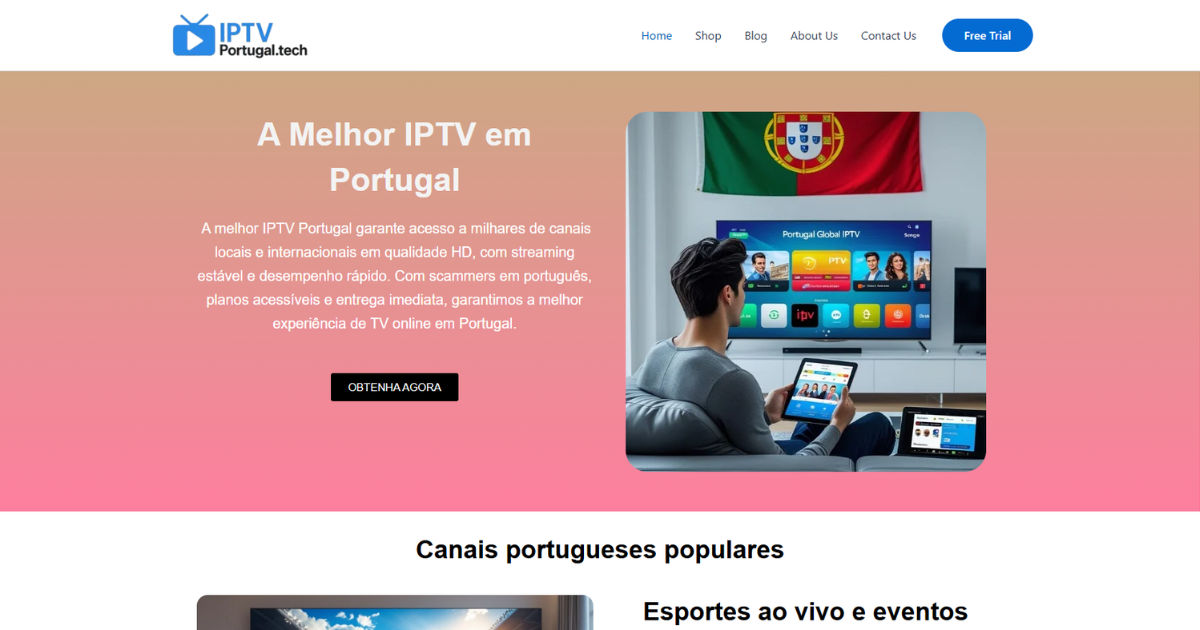
When people first start using serviços iptv, they quickly realize that even high-quality content can feel frustrating if the interface is confusing or slow. That is why developers focus heavily on usability when designing serviços iptv platforms for modern audiences.
A good IPTV interface is not just about looks; it is about helping users find what they want without stress. In the world of serviços iptv, simplicity, speed, and clarity matter more than anything else.
Users expect serviços iptv systems to behave like modern streaming apps where everything is easy to access and well organized. If a platform fails in this area, users may quickly abandon serviços iptv services in favor of better-designed competitors.
In this guide, we will explore what makes an IPTV interface easy to use, breaking down design principles, user experience factors, and technical features that improve usability.
We will also see how serviços iptv platforms can improve navigation, search, personalization, and performance. By the end, you will clearly understand why some IPTV interfaces feel effortless while others feel complicated, especially in the growing ecosystem of serviços iptv.
Understanding IPTV Interface Basics
An IPTV interface is the visual layout and interaction system that allows users to access live TV, on-demand content, and recorded media. In serviços iptv, the interface acts as the bridge between the viewer and thousands of streaming options. Without a clean interface, even the best content libraries become difficult to enjoy.
At its core, an IPTV interface includes menus, categories, playback controls, and recommendation systems. In serviços iptv, these elements must work together seamlessly. Users expect to switch between channels, search for movies, and adjust settings without confusion. That is why developers of serviços iptv focus on reducing unnecessary steps in every action.
A simple IPTV interface should guide users naturally. For example, when someone opens serviços iptv, they should immediately see live channels, trending content, or continue-watching options. This reduces the time spent searching and increases satisfaction. Many successful serviços iptv platforms follow this principle closely.
Clear Navigation Design
Navigation is one of the most important parts of usability in IPTV systems. In serviços iptv, navigation determines how easily users can move between live TV, movies, sports, and settings. If navigation is poorly designed, even experienced users will struggle.
A good navigation system in serviços iptv usually includes a side menu or top bar with clear categories. These categories should be simple and predictable. For example, “Live TV,” “Movies,” “Series,” and “Favorites” are common sections. In well-designed serviços iptv platforms, these options remain consistent across all screens.
Another key factor is minimal clicks. Users should not need to go through multiple layers of menus to reach content. In serviços iptv, the best interfaces allow users to access their desired content within two or three clicks. This reduces frustration and improves engagement.
Visual clarity also matters. Icons should be easy to understand, and text should be readable. In many modern serviços iptv systems, designers use large icons and simple labels to avoid confusion. When navigation is intuitive, users spend more time watching and less time searching within serviços iptv.
Content Discovery & Search
Content discovery is another critical element of usability. Users want to find movies, shows, or channels quickly. In serviços iptv, search functionality must be fast, accurate, and intelligent.
A strong search system in serviços iptv allows users to type a title, actor, or genre and instantly receive relevant results. Autocomplete suggestions are also helpful because they reduce typing effort. Many serviços iptv platforms now include voice search, making it even easier for users to find content.
Recommendation systems also improve discovery. In serviços iptv, algorithms analyze viewing habits and suggest relevant content. This helps users find new shows without manually searching. Good recommendations increase user satisfaction and keep people engaged within serviços iptv platforms.
Filters are also important. Users should be able to sort content by genre, year, language, or popularity. In advanced serviços iptv systems, filters are applied instantly, allowing users to refine their search results without delays.
Personalization Features
Personalization is a key factor that makes IPTV interfaces feel user-friendly. In serviços iptv, personalization ensures that each user has a unique viewing experience based on their preferences.
One common personalization feature is the “favorites” list. Users can mark channels or shows they like and access them quickly later. In serviços iptv, this feature saves time and improves convenience.
Another important feature is watch history. When users return to serviços iptv, they can continue watching where they left off. This creates a seamless experience and reduces frustration.
Custom profiles are also widely used. In households where multiple people use serviços iptv, each user can have their own profile with personalized recommendations. This ensures that content suggestions remain relevant to each individual.
Advanced serviços iptv platforms also allow users to customize layout themes, language settings, and playback preferences. These options give users more control over their experience and make the interface feel more comfortable and familiar.
Performance & Speed
Speed is one of the most important aspects of usability. Even the best-designed interface will fail if it is slow. In serviços iptv, performance directly affects user satisfaction.
Fast loading times are essential. When users open serviços iptv, the interface should appear instantly, and content should load within seconds. Delays can lead to frustration and abandonment.
Smooth playback is equally important. In serviços iptv, buffering should be minimized through efficient streaming technology. Adaptive bitrate streaming helps maintain quality even when internet speed changes.
Responsiveness also matters. Every click, swipe, or command in serviços iptv should respond immediately. Laggy interfaces feel outdated and unprofessional.
Caching techniques are often used in serviços iptv to improve performance. By storing frequently accessed data locally, the system reduces loading times and improves overall efficiency.
Device Compatibility & Layout
Modern users access IPTV services on multiple devices, including smart TVs, smartphones, tablets, and computers. In serviços iptv, compatibility across devices is essential for usability.
A responsive interface automatically adjusts to different screen sizes. In serviços iptv, this means menus, buttons, and content grids must scale properly without breaking layout structure.
On smart TVs, interfaces should be designed for remote control navigation. In serviços iptv, large buttons and simple directional navigation make it easier for users to browse content from a distance.
On mobile devices, touch-friendly design is crucial. In serviços iptv, users should be able to swipe, tap, and scroll smoothly without accidental clicks.
Cross-device synchronization is another important feature. Users expect serviços iptv to remember their progress, preferences, and settings across all devices. This creates a unified experience that increases convenience.
Accessibility & User Friendliness
Accessibility ensures that IPTV interfaces can be used by everyone, including people with disabilities. In serviços iptv, accessibility features improve usability for a wider audience.
One important feature is subtitle support. Users should be able to enable subtitles easily in serviços iptv, and adjust size, color, and language.
Another feature is audio descriptions, which help visually impaired users understand content. In advanced serviços iptv systems, this feature is becoming more common.
High contrast modes and adjustable font sizes also improve readability. In serviços iptv, these options make it easier for users with visual difficulties to navigate the interface.
Simple language is also important. Menus and instructions in serviços iptv should be clear and easy to understand, even for beginners.
Security & User Management
Security plays an indirect but important role in usability. In serviços iptv, users feel more comfortable when their accounts are safe and well managed.
Secure login systems ensure that only authorized users can access content. In serviços iptv, this may include passwords, PIN codes, or two-factor authentication.
User management features also improve usability. In serviços iptv, administrators can control profiles, set parental controls, and restrict access to certain content.
Parental controls are especially important in family settings. In serviços iptv, these controls allow parents to block inappropriate content and create safe viewing environments for children.
When users trust the system, they interact more freely with serviços iptv, leading to a better overall experience.
Future Trends
The future of IPTV interfaces is focused on automation and intelligence. In serviços iptv, artificial intelligence will play a major role in improving usability.
AI-driven recommendations will become more accurate, helping users discover content faster. In serviços iptv, this means less searching and more watching.
Voice control is also expected to grow. Instead of navigating menus, users will simply speak commands. In serviços iptv, this will make interfaces even more accessible.
Augmented reality and advanced visual interfaces may also appear in future serviços iptv platforms, offering more immersive browsing experiences.
Finally, predictive interfaces may learn user behavior and automatically highlight preferred content in serviços iptv, reducing effort even further.
Conclusion
An IPTV interface becomes easy to use when it combines simplicity, speed, and intelligent design. Every element—from navigation to personalization—plays a role in shaping the user experience. In the world of serviços iptv, success depends on how quickly users can access content without confusion or delay.
Clear navigation ensures users never feel lost. Strong search and recommendation systems help them discover new content effortlessly. Personalization makes the experience unique, while performance ensures smooth and enjoyable viewing. Accessibility and security add trust and inclusivity, making serviços iptv suitable for all types of users.
As technology continues to evolve, IPTV interfaces will become even more intuitive and intelligent. The goal will always remain the same: reduce complexity and make entertainment as simple as possible. In the growing digital landscape, serviços iptv platforms that focus on user-friendly design will always stand out and succeed.