
When it comes to planning a wedding, every detail matters—especially when sending out invitations. One of the most common questions brides face is: what should go on the main wedding card and what should be on the details card?
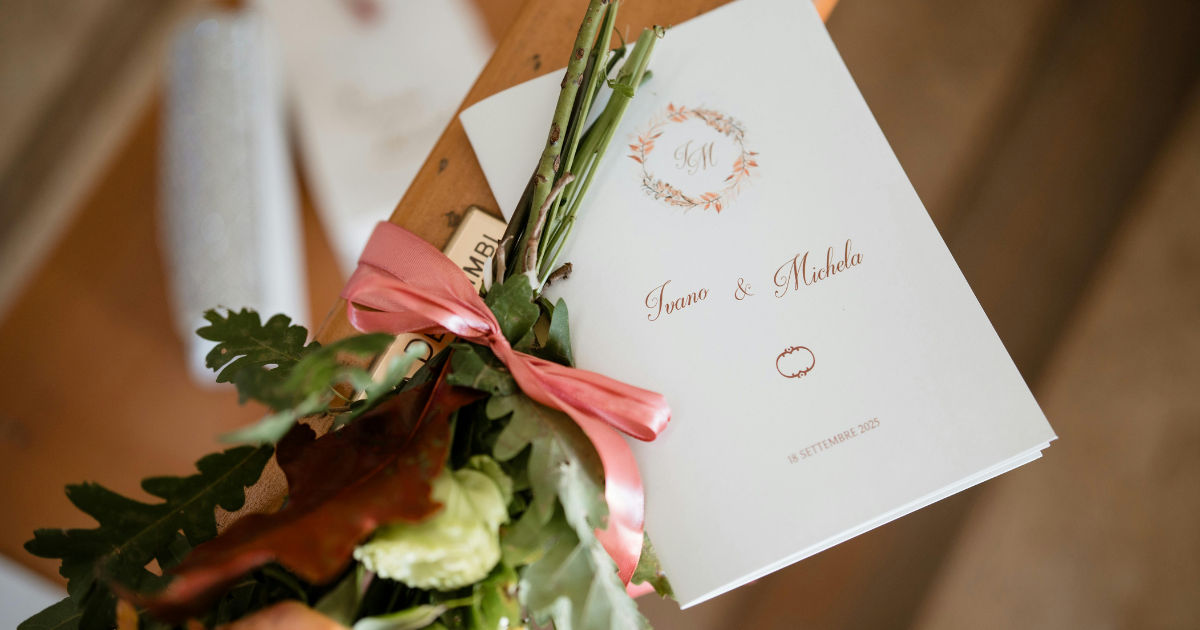
Understanding the difference is essential for clear communication with your guests, keeping your wedding organized, and ensuring that your wedding day runs smoothly.
In this comprehensive guide, we’ll break down everything you need to know about what to include on a wedding card, how to use details cards effectively, and tips for making your invites both beautiful and functional.
A wedding card is the first impression your guests will have of your wedding. It communicates not just the date and location, but also the tone and style of your celebration.
A well-thought-out wedding card can make your guests feel excited and informed. But with multiple elements to include, separating them between the main card and a details card is key.
Purpose of a Wedding Card
Before diving into the specifics of what goes on each card, it’s important to understand why wedding cards are structured this way. A traditional wedding invitation usually consists of two parts:
-
Main Card: This card focuses on the essentials—who is getting married, when, and where.
-
Details Card: This card contains supplemental information that guests need, such as dress code, accommodation options, directions, and registry information.
The main goal is clarity. Guests should be able to glance at the main card and immediately know the core information without feeling overwhelmed. The details card allows you to provide extra information without cluttering the main invitation.
Key Elements of a Main Wedding Card
The main wedding card is the heart of your wedding invitation suite. This is the piece that sets the tone for your event and conveys the most important details. Here’s what should be included:
1. Names of the Couple
The top priority on your main wedding card is the names of the bride and groom. Traditionally, the bride’s name is listed first, followed by the groom’s. However, modern couples often choose to list names alphabetically or in a way that feels personal.
For example:
-
Traditional: Emma Grace Taylor and John Michael Smith
-
Modern: John Michael Smith & Emma Grace Taylor
This is the first piece of information guests see, so make sure it’s prominent and clear.
2. The Wedding Date
The wedding date should be written clearly and in a way that leaves no room for confusion. Spell out the month and day to avoid any misunderstanding. For instance, “Saturday, the fifteenth of June, 2026” is more elegant and readable than 06/15/26.
3. The Ceremony Location
Include the full address of the venue, including city and state. If your wedding is at multiple locations (ceremony and reception separate), note the ceremony location here and provide the reception information on the details card.
For example:
-
St. Mary’s Cathedral, 123 Main Street, Boston, MA
Adding a map or directions belongs on the details card rather than the main card.
4. Time of Ceremony
Guests should know exactly when the wedding starts. Be specific about the hour and whether it is AM or PM. Including the duration is optional but can help guests plan their day.
5. RSVP Instructions
While some couples include RSVP cards as separate inserts, the main wedding card should reference how guests can respond. For example:
-
“Kindly RSVP by May 15th, 2026.”
Avoid cramming too many RSVP details on the main card; these should appear more fully on the response card if you have one.
What Goes on a Details Card
The details card complements the main wedding card by providing all additional information your guests may need. The key is to keep it organized, clear, and concise.
1. Reception Details
If the reception is at a different location or follows a different schedule, include that information on the details card. Mention:
-
Venue name and address
-
Reception start time
-
Directions or shuttle information
For example:
-
Reception to follow at The Grand Ballroom, 456 Elm Street, Boston, MA. Shuttle service available from St. Mary’s Cathedral.
2. Accommodation Information
Many guests may travel from out of town, so include hotel recommendations, block booking information, or special rates. Provide:
-
Hotel name
-
Address
-
Booking code or link
-
Contact number
This helps guests plan their stay without having to search for accommodations themselves.
3. Dress Code
If you have a specific dress code, the details card is the best place to include it. Be clear but polite. For example:
-
Black tie optional
-
Cocktail attire requested
-
Casual attire for beach ceremony
4. Directions and Transportation
For ease of navigation, provide driving directions, public transportation tips, or parking information. You can also mention shuttle services or ride-sharing options.
5. Registry Information
While some couples prefer to include a registry card separately, a details card can include this too. Keep it simple:
-
For our registry, visit www.example.com
Avoid putting gift requests on the main card as it can seem impersonal or pushy.
6. Additional Notes
Other important notes can include:
-
COVID-19 safety measures
-
Childcare availability
-
Special requests or accessibility information
Details cards are meant to make the guest experience smooth, so the more helpful information you provide, the better.
Design Tips for Wedding Cards
Design is just as important as content. Both main cards and details cards should match in style, font, and color scheme. Here’s how to create a cohesive look:
1. Consistency
Use the same font styles and colors on both cards. This creates a visual connection and ensures your wedding suite feels complete.
2. Readability
While decorative fonts look beautiful, legibility is key. Your main wedding card should be easy to read at a glance. For details cards, use a simpler font for practical information.
3. Layout
The main card should feel elegant and uncluttered. Keep the text centered and balanced. The details card can be more structured, with sections clearly marked for reception, accommodation, dress code, etc.
4. Size and Paper Quality
Details cards are usually smaller than the main wedding card but still high-quality. Thick cardstock gives a premium feel. Envelope sizes should match to prevent damage during mailing.
Common Mistakes to Avoid
Even with a clear plan, it’s easy to make mistakes when creating wedding cards. Here are some common ones:
-
Overloading the Main Card: Crowding too much information on the main card can confuse guests. Keep it simple and elegant.
-
Unclear Directions: Always include complete addresses and consider adding a map on the details card if necessary.
-
Forgetting Important Dates: RSVP deadlines or hotel booking deadlines should never be overlooked.
-
Ignoring Accessibility Needs: If guests need special accommodations, include that info on the details card.
-
Clashing Designs: Make sure all cards in your suite look cohesive and polished.
Sample Main Card Wording
To give you a practical example, here’s how a main wedding card might look:
Emma Grace Taylor and John Michael Smith
request the pleasure of your company at their wedding celebration
Saturday, the fifteenth of June, 2026
at 4 o’clock in the afternoon
St. Mary’s Cathedral
123 Main Street, Boston, MA
Reception to follow
Notice that it’s concise, clear, and contains only the most essential details. Any additional information—such as accommodations, dress code, or directions—would go on the details card.
Sample Details Card Wording
Here’s a practical example for a details card:
Reception:
The Grand Ballroom, 456 Elm Street, Boston, MA
Shuttle service available from St. Mary’s Cathedral
Accommodations:
The Boston Hotel, 789 Oak Avenue, Boston, MA
Special rate code: TAYLOR2026
Dress Code:
Cocktail attire requested
Registry:
For our registry, please visit www.example.com
Additional Notes:
Parking is available at the venue. Please RSVP by May 15th, 2026.
This card is detailed, practical, and keeps the main card uncluttered.
Modern Trends for Wedding Cards
Wedding card trends are constantly evolving. Here are some modern approaches:
-
Digital Details Cards: Many couples use QR codes on the main wedding card that link to an online details page. This reduces paper use and allows for updates.
-
Themed Cards: Use the colors, florals, or seasonal themes from your wedding in both main and details cards.
-
Minimalist Designs: Clean, elegant layouts are increasingly popular. One clear main card paired with a simple details card is highly effective.
-
Interactive Elements: Maps, itineraries, and timelines can be included for multi-day events or destination weddings.
Tips for Brides+1
If you are attending as a brides+1, here are some tips to understand the information on wedding cards:
-
Check RSVP Instructions: Always respond by the deadline, whether you are a guest alone or bringing a plus-one.
-
Review Details Carefully: The main card tells you the basics; the details card tells you everything else. Check both.
-
Plan Travel and Accommodation: If the details card includes hotel recommendations, book early to secure your room.
-
Dress Accordingly: Pay attention to the dress code on the details card to ensure you’re dressed appropriately.
Understanding the split between main and details cards makes attending a wedding easier and ensures you don’t miss anything important.
Conclusion
Creating a wedding card that balances elegance with practicality can be challenging, but knowing what belongs on the main card versus the details card is a big step in the right direction. The main card should highlight the essentials—names, date, location, and ceremony time—while the details card should include all supplemental information like reception details, accommodations, dress codes, and registry links. This approach ensures that guests are informed without feeling overwhelmed.
With the right design, layout, and content, your wedding card suite becomes not just an invitation, but a thoughtful guide for your guests. Properly executed, it sets the tone for your special day and makes the experience seamless for everyone attending. Remember, clarity and simplicity are key—an elegant main card paired with a well-organized details card is the perfect combination for any wedding.
By carefully planning and following these guidelines, your wedding invitations will be both beautiful and functional, helping your guests feel welcomed, informed, and excited to celebrate with you.