
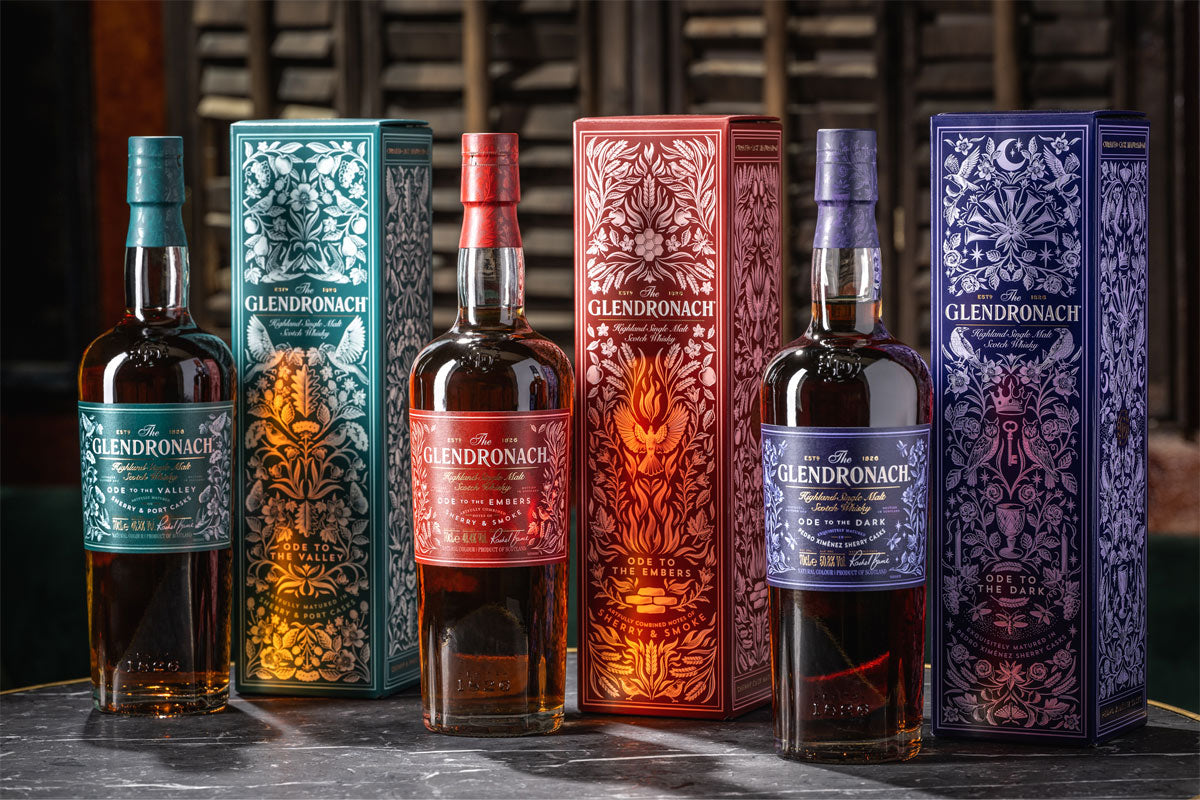
Whisky is one of those rare creations that transcends geographics and generations. It is not just an soaker potable but a write up of time, patience, and art. The word whisky itself comes from the Gaelic phrase uisge beatha, meaning irrigate of life, and that could not be more fitting. From the minute grains are harvested to the age of maturement in oak barrels, whisky embodies shift a simpleton ingredient turned into a dateless value.
What makes whisky truly enthralling is how it carries the of its origin. A feeding bottle from Scotland will tell a very different write up from one crafted in Japan or Kentucky. The mystery lies in the soil, the air, and the irrigate. Every part gives its whisky a distinguishable personality. The scrunch climate of Scotland produces tasty, peaty notes, while the warmness of Kentucky gives bourbon its sweet and raw sienna undertones. That s what makes exploring whiskey such a rich and profit-making go through each sip is a recommendation to a different land.
When it comes to how whiskey is made, the work on is a slow and debate rite. Grains such as barley, corn, rye, or wheat berry are mashed, fermented, distilled, and then placed in oak casks for age, sometimes decades. During this ageing work on, the spirit up interacts with the wood, out flavors of vanilla extract, zest, smoke, and oak. The longer it rests, the more purified it becomes. That kinship between time and taste is what defines the soul of whisky. Nothing can rush the work it is nature and workmanship workings in hone musical harmony.
Many populate ask why whisky holds such fear among strong drink. The do lies in its . Whisky isn t just used-up; it s contemplated. It offers warmth, console, and complexness in a unity glaze. For some, it s a keep company for reflexion after a long day; for others, it s a celebration of life s milestones. There is also a taste significance from Scottish Highland traditions to Japanese precision distilling, whiskey symbolizes observe for time and subordination of craft. It reminds us that good things take solitaire.
Whisky s charm also extends to where it s enjoyed. You might find it poured neat into a watch glass glaze in a quiesce library, or served over ice at a lively bar. Its versatility allows it to be appreciated by purists and lovers alike. From the tasty Old Fashioned to the refreshing Whisky Sour, this prosperous inspirit adapts effortlessly while retaining its core individuality. That balance between custom and invention is what keeps whisky eternally modern.
There is something undeniably author about the way whiskey connects populate. Around the earthly concern, enthusiasts pucker at tastings, festivals, and distilleries to share their rage. Whether you re walk through the wet hills of Speyside, visiting a Bourbon house in Kentucky, or sipping a Japanese 1 malt in Tokyo, there s a universal terminology in the tinkle of specs. Whisky unites cultures and tells stories of workmanship that span centuries.
The more one learns about whiskey, the more one realizes that it s not about drinking it s about understanding. Every bottle holds age of dedication, every smell carries whispers of history. The oak barrels, the barm, the copper stills all work together to produce something that can never be duplicated exactly the same way again. That is the smasher of whisky. It s sensitive, ever-changing, and deeply subjective.
In a world that moves too fast, whiskey stands as a quiet down admonisher that the finest things take time. Its gold glow reflects solitaire, its odor invites thinking, and its flavor lingers like a retentiveness. Whether you re learnedness what whiskey truly is, how it s crafted, or why it continues to catch Black Maria, one thing remains clear: whiskey is not merely a tope. It is an experience, a heritage, and a solemnisation of life itself.